How Can You Boost Your Body’s Natural Defenses Through Diet?
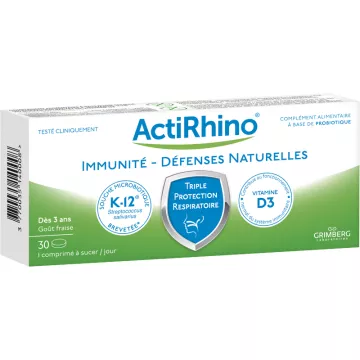
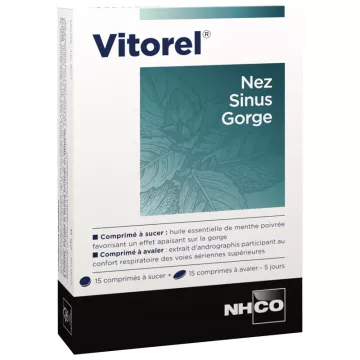
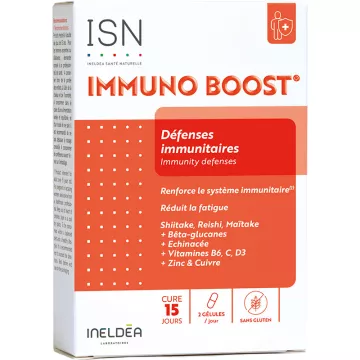
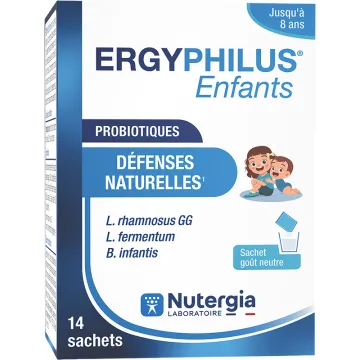
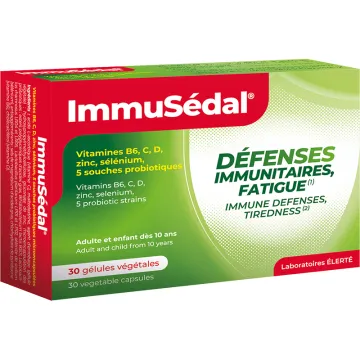
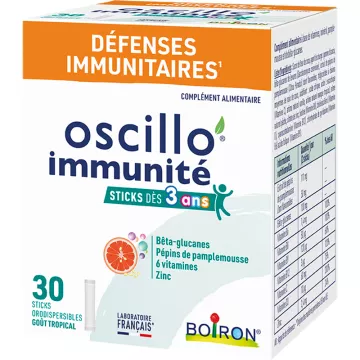
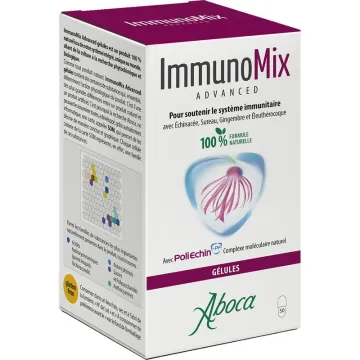
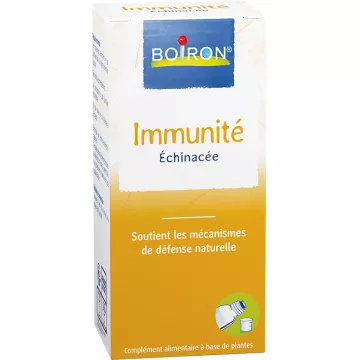
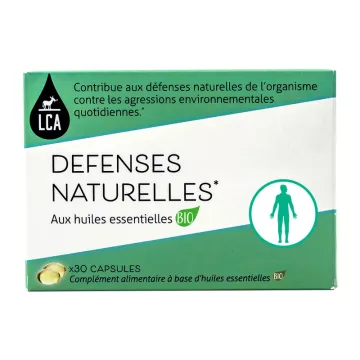
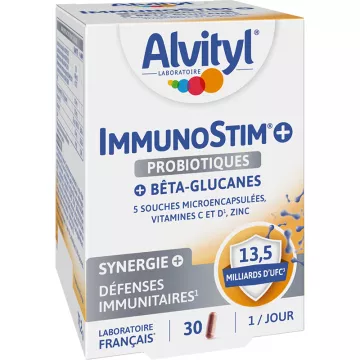
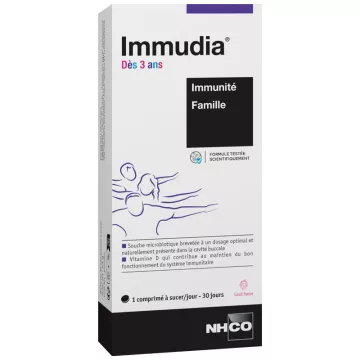
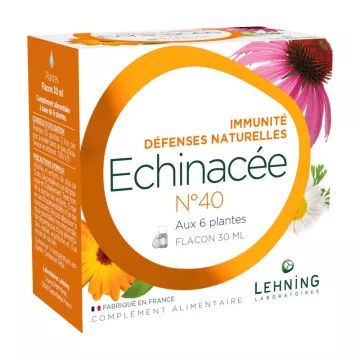
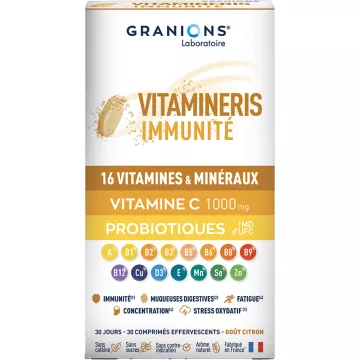
Boosting your natural defenses starts with what you eat: several micronutrients act as direct cofactors in the production and activity of immune cells. Even a mild deficiency in vitamin C, zinc, or vitamin D is enough to weaken the immune response. Immune-support supplements are available in the store’s “Immunity,” “Natural Defenses,” and “Phytotherapy for Immunity ” product lines.
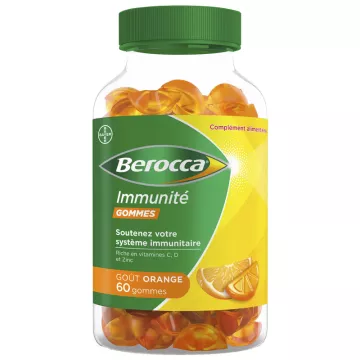
- Vitamin C: antioxidant—stimulates the production and migration of leukocytes—500 to 1,000 mg/day—citrus fruits, kiwi, bell peppers, blackcurrants—EFSA claim regarding the normal functioning of the immune system
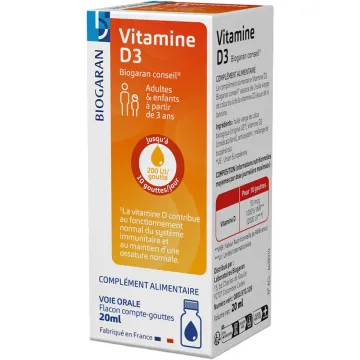
- Vitamin D3: activates macrophages and antiviral defenses — common winter deficiency in France — 1,000 to 2,000 IU/day — synthesized in the skin through sun exposure — EFSA claim
- Zinc: promotes the proliferation of T cells, B cells, and NK cells — 10 to 15 mg/day — oysters, pumpkin seeds, legumes, beef
- Selenium: Antioxidant for immune cells (glutathione peroxidase) — 55 to 200 µg/day — Brazil nuts (2–3/day), fatty fish, eggs
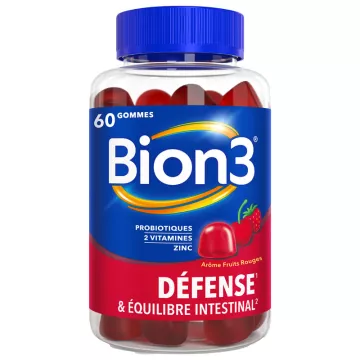
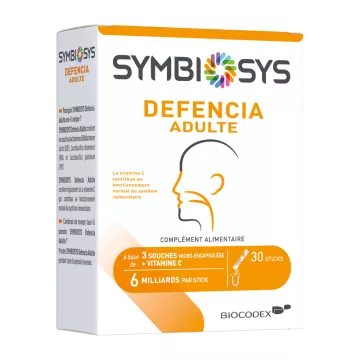
- Probiotics: 70% of the immune system resides in the intestinal lymphoid tissue — yogurt, kefir, raw sauerkraut — as a supplement during antibiotic treatments or for winter prevention
- Immune-boosting foods: raw garlic daily (allicin) — ginger (anti-inflammatory) — green vegetables (vitamin A + fiber + iron) — nuts and seeds (vitamin E + selenium) — reduce alcohol intake (impairs immune cells) — quit smoking (Tobacco Info Service: 3989)
Sleep, stress, and physical activity: the three pillars of the body’s natural defenses
- Restorative sleep: during deep sleep, pro-immune cytokines are produced and immune memory is consolidated — lack of sleep = reduction in T and NK cells — 7 to 9 hours per night for adults — go to bed at a set time (circadian rhythm) — avoid caffeine after 4 p.m. and screens 1 hour before bedtime — see the immune system
- Stress management: Chronic cortisol suppresses T cells, reduces NK cell activity, and impairs the intestinal barrier — cardiac coherence (3 × 5 min/day) — mindfulness meditation — yoga, tai chi — social activities (social connections reduce chronic stress and boost immunity)
- Moderate physical activity: 150 min/week (WHO) — increases circulating NK cells and lymphocytes — reduces chronic inflammation — improves sleep quality — brisk walking, swimming, cycling, yoga — avoid overtraining (documented transient immunosuppression following prolonged intense exercise)
- Hydration: 1.5 to 2 L of water per day — transports immune-boosting nutrients to cells — eliminates toxins — maintains lymphatic and mucosal fluidity (a natural barrier against pathogens)
Herbs and supplements to boost natural defenses
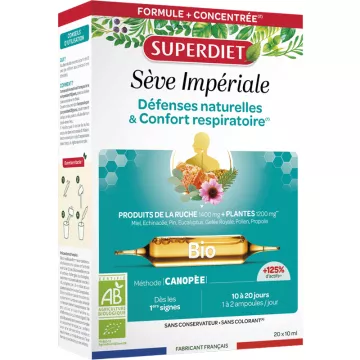
- Echinacea (Echinacea purpurea): immunostimulant — well-established use by the EMA for the prevention and management of mild viral respiratory infections — 2- to 4-week course before winter — contraindicated in autoimmune diseases and for those taking immunosuppressants
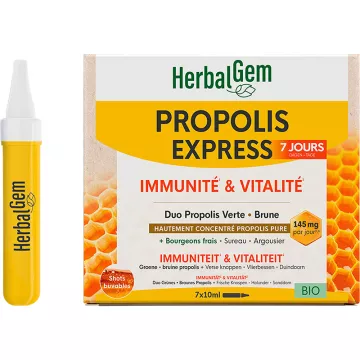
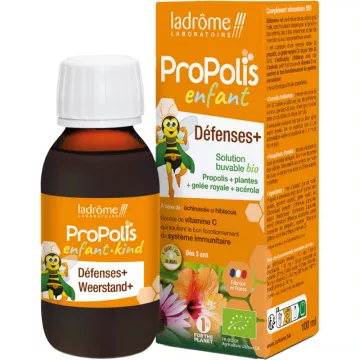
- Propolis: antibacterial and antiviral activity — winter ENT support — spray, capsules — Contraindications: allergy to bee products
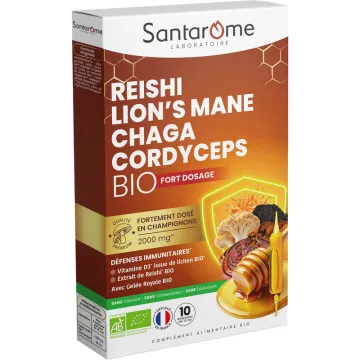
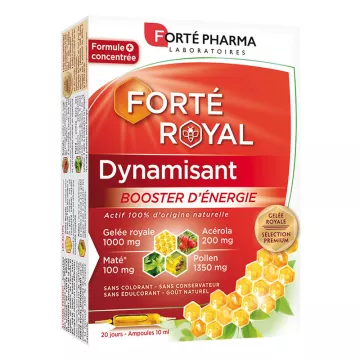
- Royal jelly: 10-HDA, an immunomodulator — 3-week to 1-month course — general tonic and immune support
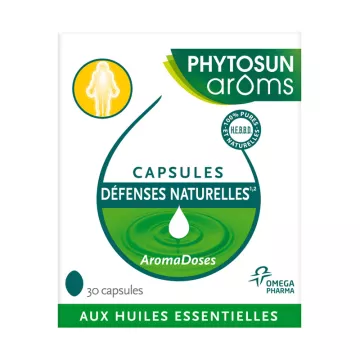
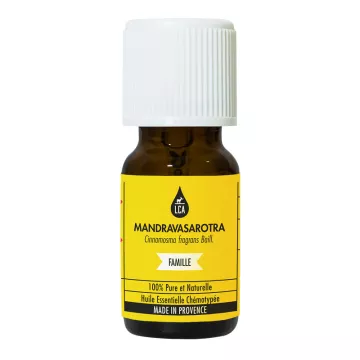
- Immunostimulant essential oils: ravintsara (cineole—immunomodulator + antiviral), eucalyptus radiata, thujanol thyme—used in a diffuser or diluted for massage—Contraindications: children under 6 years of age and pregnant women—see essential oils for immune support
- Any supplementation while undergoing medical treatment or for a chronic condition → seek medical advice first