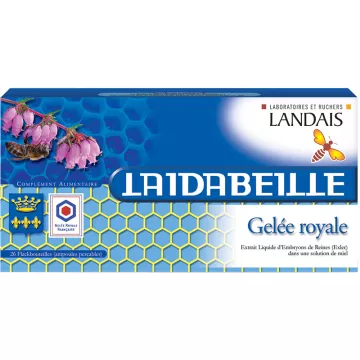
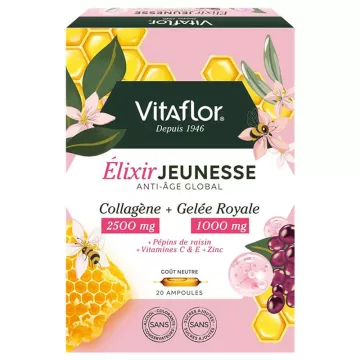
What is royal jelly, and what is its composition?
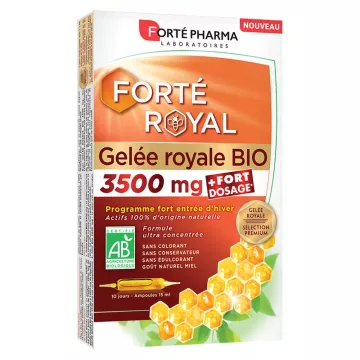
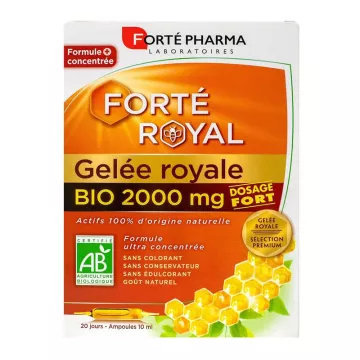
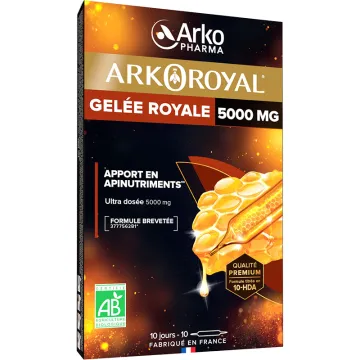
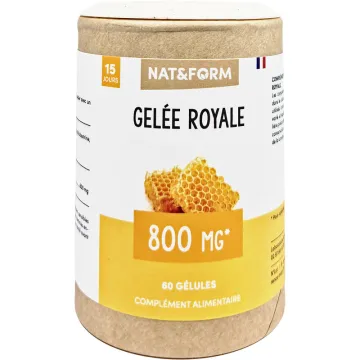
Royal jelly is a substance secreted by nurse bees to feed exclusively the queen bee throughout her life. Its unique composition accounts for its properties: water (60–70%), proteins (12–15%—including royalactins), lipids (3–6%—including 10-hydroxy-2-decenoic acid, or 10-HDA, a marker of authenticity), carbohydrates (10–16%), B vitamins (B1, B2, B3, B5, B6, B8, B9—the richest of all bee products in vitamin B5), minerals, and essential amino acids. Royal jelly supplements are available in the royal jelly and apitherapy sections of the store.
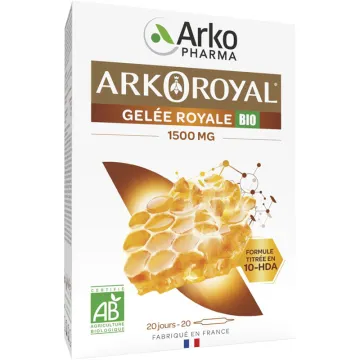
- 10-HDA (10-hydroxy-2-decenoic acid): the fatty acid specific to royal jelly—an immunomodulator, antibacterial agent, and neuroprotective agent—its percentage is the primary quality criterion (≥ 1.4% on a dry weight basis according to European standards)
- Royalactins: specific proteins that determine the queen’s identity—research into their effects on cellular longevity is still ongoing
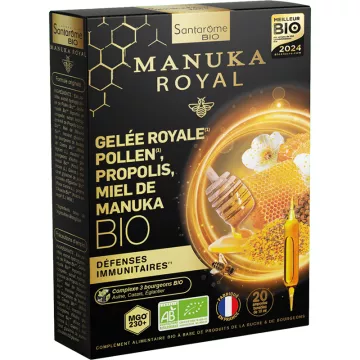
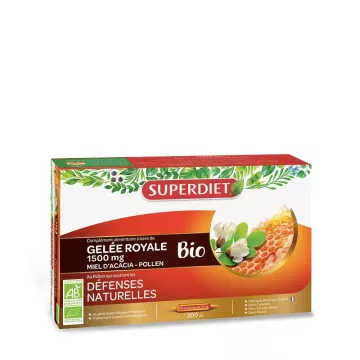
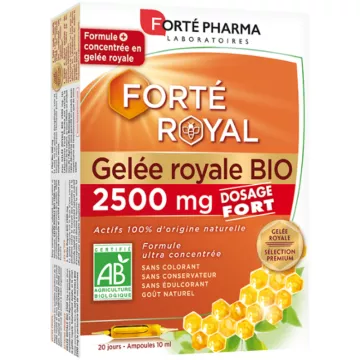
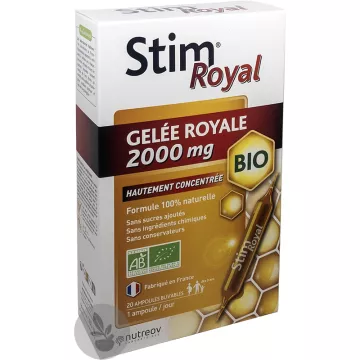
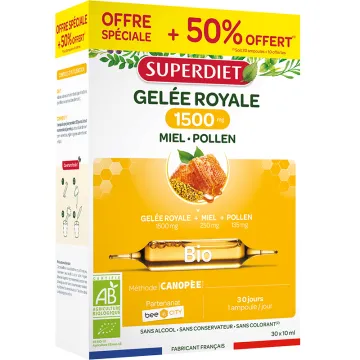
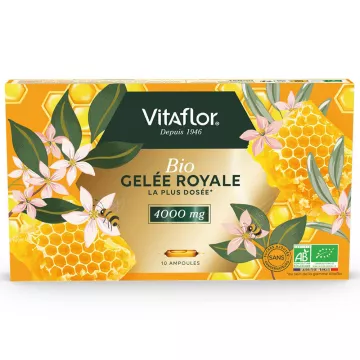
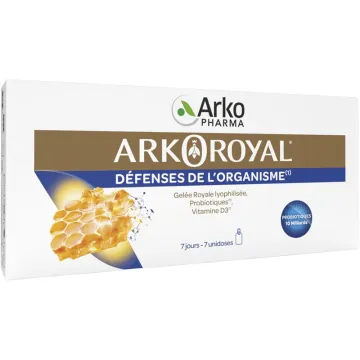
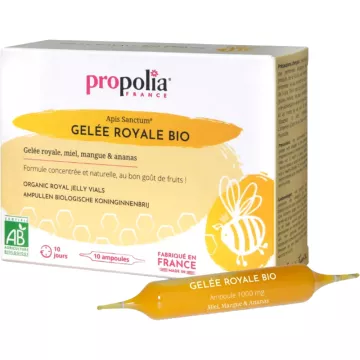
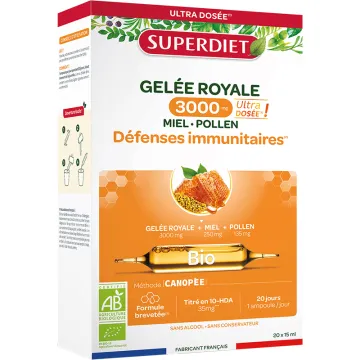
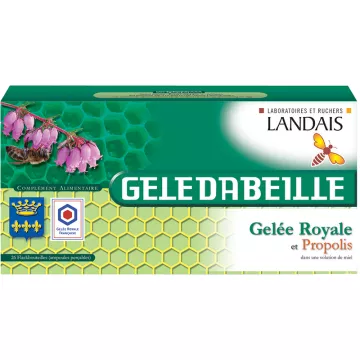
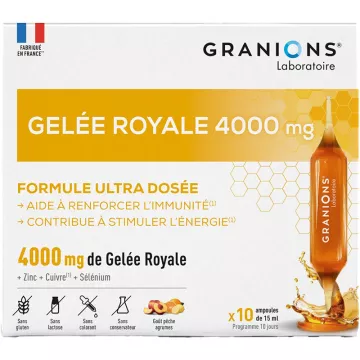
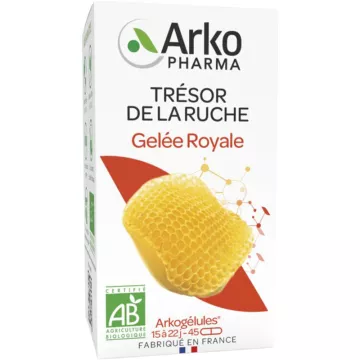
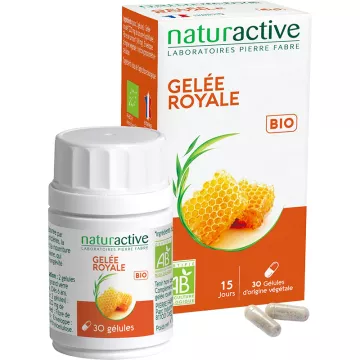
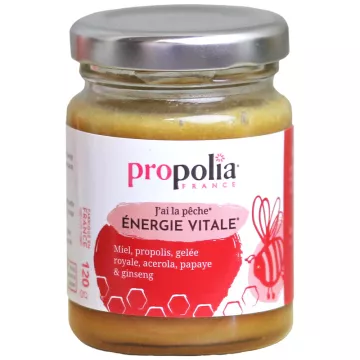
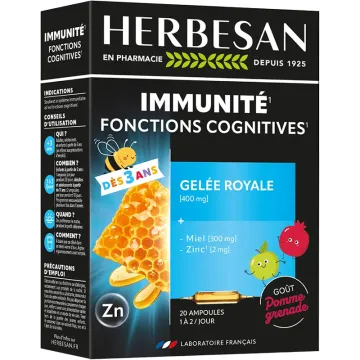
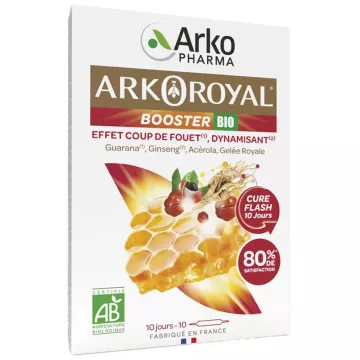
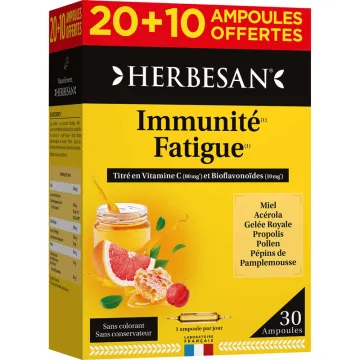
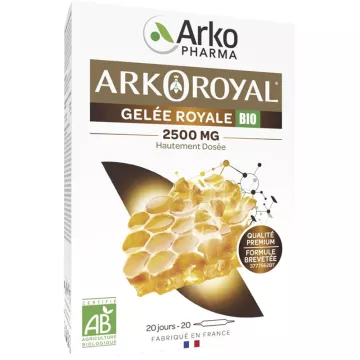
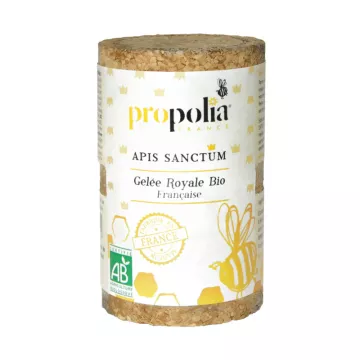
- Available forms: fresh (refrigerated at 4 °C or frozen—the most concentrated form, 0.5 to 1 g/day under the tongue on an empty stomach) — freeze-dried (cold-dried, stable at room temperature, 3× to 5× concentration) — capsules, ampoules — combined with honey for improved shelf life and palatability
What are the main benefits of royal jelly?
- Immunostimulant: stimulates T lymphocytes, NK cells, and IgA production—particularly well-documented for boosting natural immunity as a winter preventive measure—to be combined with propolis and pollen for overall immune support through apitherapy
- Anti-fatigue and tonic: primary indication recognized in clinical studies — supports physical and mental fatigue — recovery, burnout, seasonal changes — vitamins B5 and B6, cofactors in energy metabolism
- Neuroprotective and adaptogenic: supports cognitive functions (memory, concentration)—reduces anxiety and chronic stress —10-HDA crosses the blood-brain barrier—studies on hippocampal neurogenesis
- Fertility: improves egg and sperm quality — regulates the menstrual cycle — reduces reproductive oxidative stress — combine with maca to support female and male fertility
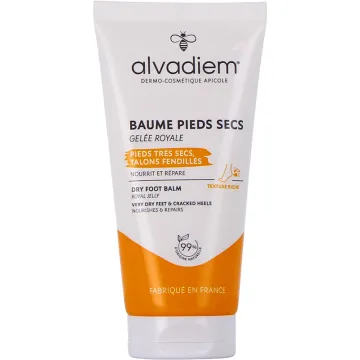
- Skin anti-aging: stimulates collagen synthesis and skin hydration — antioxidant that protects against premature aging — found in anti-aging creams, serums, and nourishing masks — topical use complements oral use
How should royal jelly be used, and what precautions should be taken?
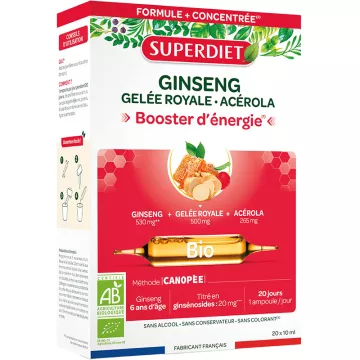
The standard course of treatment lasts 3 to 6 weeks and can be repeated 2 to 3 times a year during seasonal changes (primarily fall and winter). Taking it on an empty stomach under the tongue in the morning optimizes sublingual absorption. For synergistic combinations: ginseng + royal jelly for vitality and physical endurance— magnesium + royal jelly to combat fatigue and stress—maca + royal jelly for fertility and hormonal balance.
- Recommended dosage: fresh royal jelly 0.5 to 1 g/day — freeze-dried 100 to 300 mg/day (concentrate equivalent) — do not exceed the recommended doses — treatment duration 3 to 6 weeks
- Quality and Storage: Fresh royal jelly should be stored between 0 and 5 °C (refrigerator) or frozen — freeze-dried royal jelly should be stored at room temperature away from light — check the guaranteed 10-HDA content (≥ 1.4% on a dry extract basis) — traceable geographic origin
- Contraindications: Allergy to bee products (honey, pollen, propolis, venom) — severe asthma or allergic bronchospasm (risk of cross-reaction) — hormone-dependent cancers (controversial estrogen-like effects, consult a doctor) — children under 3 years of age without medical advice — pregnancy: insufficient data; medical advice recommended
- Adverse effects: allergic skin or respiratory reactions (rare but possible—discontinue use and consult a healthcare provider) — contact dermatitis with topical use — start with low doses to test individual tolerance