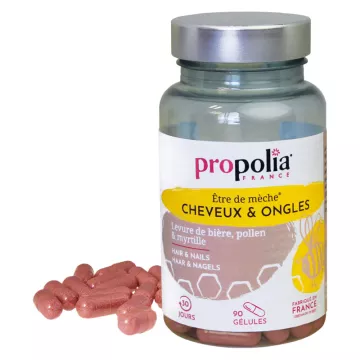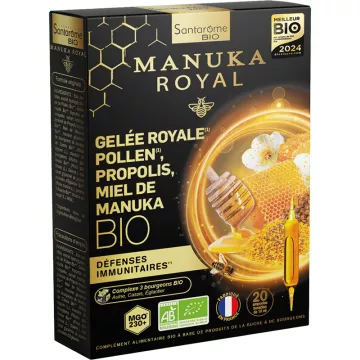
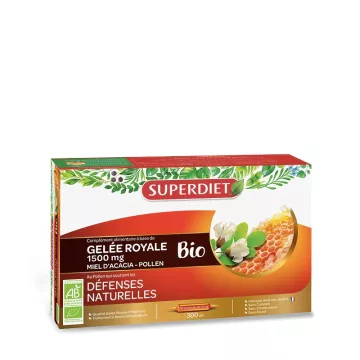
Bee pollen consists of floral pollen grains collected by worker bees from flowers and compacted into pellets using their nectar and saliva. These microscopic pellets are then collected by beekeepers using pollen traps placed at the entrance to the hives, which capture a portion of the pellets brought back by forager bees. Pollen is the bees’ primary source of protein for feeding the brood. For human consumption, it is used as a nutritious dietary supplement that is particularly rich in macro- and micronutrients. It should be distinguished from other bee products such as honey, propolis, royal jelly, and beeswax.
Pollen has an exceptional nutritional density, which explains its value as a dietary supplement:
This nutritional diversity makes it possible to support several EFSA health claims based on the micronutrients actually present.
Various monofloral pollens are sold in specialty health stores, each with distinct flavor and nutritional profiles. Cistus pollen (southern France and Spain) is particularly prized for its mild taste and high flavonoid content. Chestnut pollen (temperate regions of Europe) offers a more pronounced flavor and is rich in magnesium and polyphenols. Heather pollen (Atlantic moors, Cévennes) has a dark color and an intense aromatic profile. Willow pollen is valued as a tonic treatment in early spring. Polyfloral pollen, the most common type, combines pollen from various floral sources depending on the harvest season. To preserve the skin barrier and overall vitality, pollen pairs well with a vitamin C regimen during periods of fatigue.
Traditional pollen regimens are timed to coincide with specific physiological periods:
The standard dose is 15 to 30 g per day for adults (1 to 2 level tablespoons), taken in 1 or 2 doses with meals.
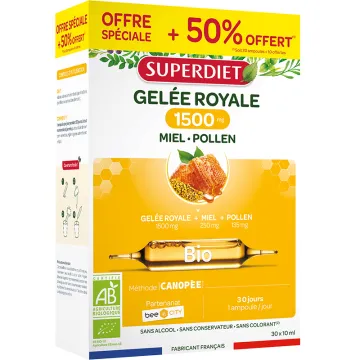
Pollen fits easily into a balanced diet and can be consumed in various forms depending on personal preference. Whole pollen grains can be eaten by the spoonful, ideally on an empty stomach in the morning with a glass of water, fruit juice, or plain yogurt to help soften the pellets. It can also be mixed with honey in a traditional “honey-pollen” mixture, which makes it easier to store and consume.Adding it to a smoothie made with fresh fruit or berries is a popular modern option. Sprinkled on muesli, cottage cheese, or fruit compotes, it enriches breakfast. For travel or ease of use, pollen extract capsules (300 to 500 mg, 2 to 4 per day) offer a convenient format. Important: Do not heat pollen above 40°C to preserve heat-sensitive enzymes, vitamins, and polyphenols; do not add it to hot beverages.
How pollen is stored directly affects its nutritional quality. Fresh pollen, harvested and immediately frozen then sold refrigerated, retains all of its vitamins and enzymes but must be consumed within 4 to 6 months after opening, stored in the refrigerator between 0 and 4 °C in an airtight container. Dried pollen (dehydrated at low temperatures below 40 °C) is more convenient but loses a portion of its heat-sensitive vitamins; it can be stored for 12 to 18 months at room temperature in an airtight bottle, protected from light and moisture. Freeze-dried pollen is a premium form that better preserves fragile nutrients. Capsules containing ground pollen or standardized pollen powder offer long-term storage and consistent dosing. For whole-grain pollen, check for moisture (a sticky sensation), which would indicate the onset of fermentation. The multicolored appearance of polyfloral pollen is normal and reflects the diversity of floral sources.
The allergenic potential of bee pollen warrants special attention. People allergic to airborne pollens (hay fever, allergic conjunctivitis, seasonal allergic asthma) should avoid taking bee pollen orally, as the risk of an allergic reaction is high. Cross-allergies with other bee products (honey, propolis, royal jelly) have also been reported. A gradual trial is essential: start with 1 to 2 grains on the first day, then gradually increase the dose over 7 to 10 days while monitoring for allergic symptoms (itching, hives, respiratory problems, digestive issues). If a reaction occurs, stop use immediately and seek medical attention promptly. Pregnant or breastfeeding women should seek medical advice before undergoing prolonged treatment. Children under 6 years of age should consume pollen only on the recommendation of a pediatrician. People with asthma and those taking anticoagulants require extra caution. Pollen is rich in vitamin K, which may interfere with certain anticoagulant treatments. If taken in large amounts (>30 g/day), temporary digestive problems may occur.
Several quality criteria help ensure a reliable, nutrient-dense product. The Bio AB or Ecocert certification guarantees the absence of pesticide residues on the foraged plants, which is particularly important for pollen.Specific beekeeping origin (identified beekeeper, region, country) ensures traceability; prioritize French or European sources. The source flora must be specified: monofloral pollen (rockrose, chestnut, heather, willow, rosemary) or polyfloral, depending on the season. Freshness of harvest is a key indicator: the harvest date must be specified, and fresh pollen must be stored under refrigeration. The drying method must not exceed a maximum temperature of 40°C to preserve enzymes and vitamins.Visual appearance: multicolored grains, non-sticky, free of mold or any smell of fermentation. Packaging in opaque jars or amber bottles protects the product from light-induced degradation. Leading brands available in health food stores: Ballot-Flurin, Famille Mary, Pollenergie, Propolia, Apimab, Naturactive, Pranarôm, Salus.