What factors influence fertility?
Fertility depends on multiple interrelated factors in both women and men:
- Age: a key factor, especially for women. There is a gradual decline in egg reserve and quality after age 35, which accelerates after ages 38–40
- Lifestyle: smoking, alcohol, drugs, an unbalanced diet, a sedentary lifestyle, or excessive exercise
- Body weight: A BMI that is too low (< 18,5) ou trop élevé (> 30) is unfavorable
- Chronic stress and sleep disorders
- Chronic diseases: diabetes, thyroid disorders, hypertension, autoimmune diseases
- Gynecological conditions: PCOS, endometriosis, pelvic infections, fibroids
- Male factors: varicocele, oligospermia, asthenospermia, history of surgery
- Exposure to endocrine disruptors and environmental toxins
- Genetic causes of certain types of infertility
- History of infections (STIs, chlamydial tubal infection)
A structured preliminary evaluation helps identify the factors involved. For the preconception phase, see our guidelines on preconception care.
How can you improve your fertility naturally?
There are several ways to support fertility before seeking medical intervention:
- Maintaininga healthy body weight through a varied diet and regular physical activity
- Moderate physical activity without overdoing it (intense exercise can sometimes disrupt ovulation)
- Stress management: sophrology, yoga, meditation, cardiac coherence
- Quality sleep: 7 to 9 hours per night
- Understanding your menstrual cycle and identifying your fertile window
- Quitting smoking and limiting alcohol consumption
- Caffeine limited to 200 mg per day
- Avoidance of endocrine disruptors: cosmetics, heated plastics, pesticides
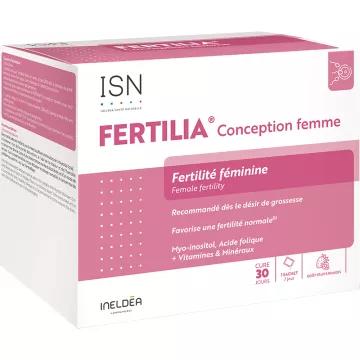
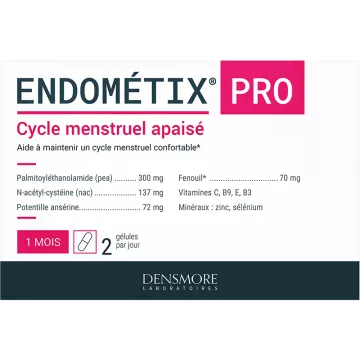
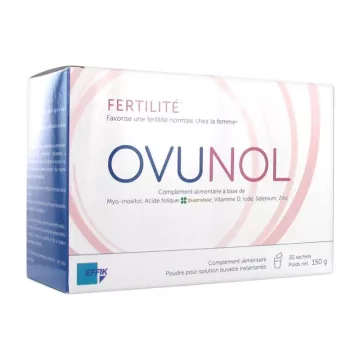
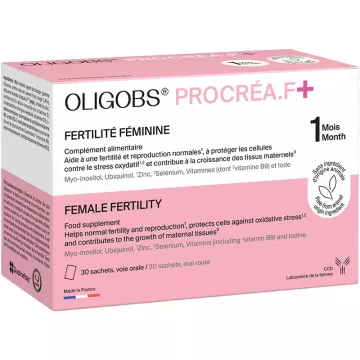
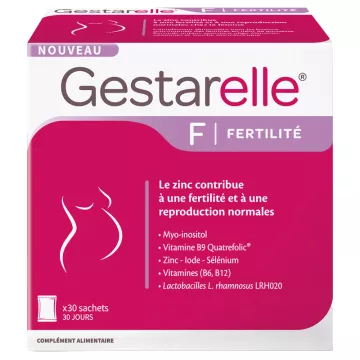
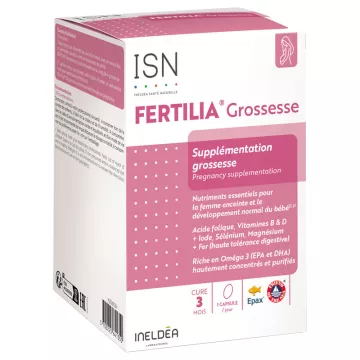
- Targeted dietary supplements as recommended by a pharmacist: folic acid, vitamin D, omega-3, zinc, selenium, coenzyme Q10, antioxidants
- Traditionally used herbs: maca, royal jelly, tribulus, chasteberry—as recommended by a pharmacist based on individual circumstances
These measures can be taken in conjunction with any medical treatment.
What treatments are available for infertility?
Several treatment options are part of a supervised medical care pathway:
- Simple ovulation stimulation: clomiphene citrate, gonadotropins, under medical supervision
- Intrauterine insemination (IUI): first-line treatment, particularly indicated for mild cases of unexplained infertility
- In vitro fertilization (IVF): the standard of care for tubal infertility, moderate male infertility, or failed IUI
- ICSI (Intracytoplasmic Sperm Injection): indicated for severe male infertility
- IVF with gamete donation in cases of ovarian insufficiency or azoospermia
- Fertility preservation: cryopreservation of oocytes or sperm (for medical or social reasons, depending on the legal framework)
- Surgery: treatment of endometriosis, varicocele, and uterine abnormalities
- Targetedhormonal treatments for endocrine disorders
Treatment is personalized based on medical indications and age. An early consultation helps avoid delays: in France, wait times for Assisted Reproductive Technology (ART) vary by center. A gynecological consultation or an appointment at an ART center is recommended after 12 months of unprotected intercourse without pregnancy (6 months after age 35).
How does lifestyle affect sperm quality?
Sperm quality depends largely on lifestyle. Spermatogenesis takes 70 to 90 days: changes only become noticeable after this period.
- Smoking: reduced sperm concentration, motility, and morphology
- Excessivealcohol consumption: hormonal disruption and impaired spermatogenesis
- Marijuana and other drugs: documented harmful effects
- Overweight and obesity: negative impact through hormonal imbalances
- Chronic stress: disruption of testosterone levels
- Excessive testicular heat: hot baths, saunas, tight underwear, laptop on the lap
- Exposure to toxins: pesticides, solvents, heavy metals, endocrine disruptors
- Nutritional deficiencies: zinc, selenium, vitamin E, omega-3, coenzyme Q10
- Sedentary lifestyle or extreme sports
Optimizing your lifestyle 3 to 6 months before trying to conceive can improve sperm quality. Our section dedicated to coenzyme Q10 features a product frequently recommended as part of fertility support.
What role do hormones play in fertility?
Hormones regulate female and male fertility:
In women:
- Estrogens: follicular development, endometrial proliferation
- Progesterone: preparation of the endometrium for implantation, maintenance of early pregnancy
- FSH and LH: regulation of the menstrual cycle, triggering of ovulation
- AMH (anti-Müllerian hormone): indicator of ovarian reserve
- Prolactin: Hyperprolactinemia can disrupt ovulation
- Thyroid hormones: Imbalances affect fertility
In men:
- Testosterone: development and maintenance of spermatogenesis
- FSH and LH: stimulation of the testes
- Inhibin B: an indicator of testicular function
A comprehensive hormonal evaluation helps identify imbalances and guide targeted treatment. Hormone replacement or stimulation therapies are administered under strict medical supervision.
What does infertility diagnosis involve?
The infertility evaluation is a structured process for couples:
Preliminary evaluation:
- Medical, surgical, and sexual history of both partners
- Lifestyle and exposure to toxins
- Menstrual cycle and identification of the fertile window
Tests for women:
- Hormone panel: FSH, LH, estradiol, prolactin, AMH, TSH
- Transvaginalpelvic ultrasound
- Hysterosalpingography (HSG) or hysterosonography: uterine and fallopian tube evaluation
- Diagnosticlaparoscopy if endometriosis is suspected
Tests for men:
- Semen analysis and sperm cytogram: concentration, motility, morphology
- Hormone panel: testosterone, FSH, LH
- Scrotal ultrasound as indicated
- Genetic testing in cases of azoospermia or family history
This systematic approach helps identify the most appropriate solution for the couple.
What natural remedies are available for fertility?
Several complementary approaches can support medical treatment, though they do not replace it:
- Folic acid 400 µg/day starting when planning a pregnancy (HAS recommendation)
- Vitamin D if a deficiency has been confirmed
- Omega-3 (DHA-EPA): for egg and sperm quality
- Antioxidants: vitamin E, vitamin C, selenium, zinc
- Coenzyme Q10: studied for its effect on egg quality in women over 35
- Myo-inositol: used for PCOS, under medical supervision
- L-arginine: studied for its effect on sperm quality
- Traditionally used herbs: maca, royal jelly, chasteberry (to be chosen based on individual circumstances, strictly under the guidance of a pharmacist)
- Acupuncture: a complementary approach sometimes recommended in certain contexts
Before taking any supplements, consult your pharmacist: certain herbs (such as chasteberry) are contraindicated in specific situations and require professional advice.
How do chronic conditions affect fertility?
Several conditions can impact fertility:
- Poorly controlleddiabetes: hormonal imbalances, vascular damage, sperm quality
- Thyroid disorders (hypothyroidism or hyperthyroidism): ovulatory disorders, miscarriages
- PCOS (polycystic ovary syndrome): anovulation, hyperandrogenism
- Endometriosis: pain, impaired egg quality, tubal infertility
- Hyperprolactinemia: menstrual cycle disorders, anovulation
- Autoimmune diseases: lupus, antiphospholipid syndrome
- Uncontrolled celiac disease: reported impact on fertility
- Obesity and metabolic syndrome: endocrine disturbances
- Uncontrolledhypertension
- Cancers and their treatments (chemotherapy, radiation therapy): prior fertility preservation recommended
Managing chronic conditions before planning a pregnancy is essential. A multidisciplinary consultation (with a gynecologist, endocrinologist, and specialist) allows for the adjustment of treatments to ensure they are compatible with fertility and pregnancy.
What role does genetics play in fertility?
Genetics plays a recognized role in certain cases of infertility:
- Chromosomal abnormalities (Turner syndrome, Klinefelter syndrome): impacts on gonadal function
- Y-chromosome microdeletions in men: associated with certain forms of azoospermia
- CFTR gene mutations (cystic fibrosis): absence of the vas deferens
- Geneticpremature ovarian insufficiency
- FMR1 gene premutation (Fragile X syndrome) in women
- Inherited diseases in the family: the value of preconception genetic counseling
Genetic counseling is recommended in cases of a family history of genetic disorders, recurrent miscarriages, or unexplained azoospermia. It helps guide couples toward appropriate reproductive strategies (preimplantation genetic testing under specific, strictly defined indications, gamete donation, adoption). Medical and psychological support remains essential throughout the entire process. For the early stages of the process, refer to the best practices for conception.