What is liver protection, and why do we need it?
Liver protection encompasses all preventive and therapeutic strategies aimed at preserving the integrity of liver cells against daily stressors—such as medications, alcohol, environmental toxins, overeating, and oxidative stress. This should be distinguished from the treatment of established liver diseases (see our liver disorders hub). Our line of detox supplements features the most well-documented liver-protective formulas.
- Daily stressors on the liver: medications (cytochromes P450 — every metabolized medication generates potentially toxic metabolites) — alcohol (acetaldehyde, which is directly toxic to hepatocytes) — industrial fructose (hepatic lipogenesis) — pesticides and solvents (accumulation in the liver)
- Populations at high risk of liver toxicity: patients on multiple medications (drug interactions + cumulative cytosolic load) — regular alcohol consumers — overweight individuals/type 2 diabetes (steatosis) — occupations involving exposure to solvents (painting, chemicals, printing)
- Most hepatotoxic medications: acetaminophen (> 3–4 g/day in healthy individuals, > 2 g/day in those with liver disease) — amoxicillin-clavulanate (leading cause of drug-induced cholestasis in France) — methotrexate (cumulative liver fibrosis) — amiodarone — statins (frequent mild cytolysis) — azole antifungals
- Signs of acute liver failure (call 15): sudden jaundice — confusion + asterixis (encephalopathy) — abnormal bleeding (PT < 50%) — rapidly developing ascites — always a medical emergency
- Difference between protection and treatment: liver protection is preventive (before or during exposure) — liver treatment is curative (established disease: hepatitis, cirrhosis)
Key active ingredients in liver protection and their mechanisms
- N-acetylcysteine (NAC): precursor of glutathione (GSH) — major intracellular antioxidant in the liver — standard antidote for acetaminophen poisoning (IV infusion in a hospital setting) — for prevention: 600 mg × 2/day orally — supports Phase II detoxification (sulfate/glucuronide conjugation)
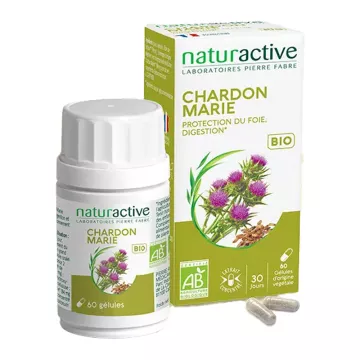
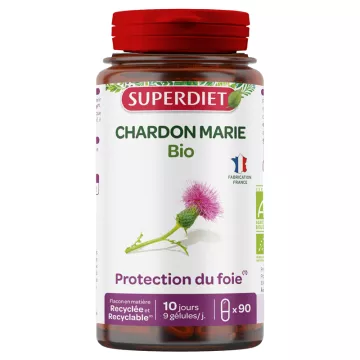
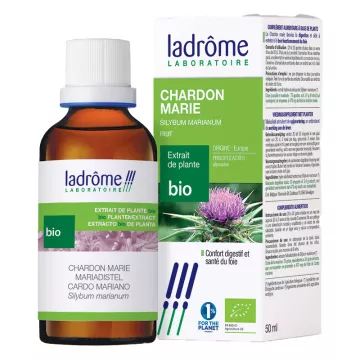
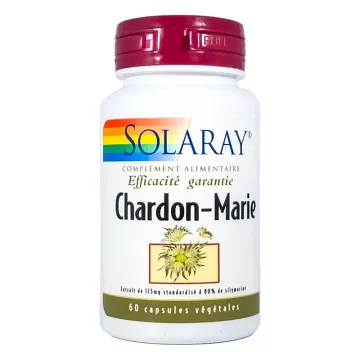
- Milk Thistle (silymarin 150–300 mg/day): stabilizes hepatocyte membranes against the entry of toxins — antioxidant (free radical scavenger) — stimulates hepatic protein synthesis (regeneration) — clinical data on drug- and alcohol-induced hepatotoxicity
- Polyphenols (EGCG from green tea, resveratrol, anthocyanins): activate hepatic sirtuins (SIRT1) — reduce intrahepatic oxidative stress — epidemiological data on reduced risk of HCC (green tea) — green tea: 3–5 cups/day or standardized extract 400 mg/day (caution: paradoxical hepatotoxicity at very high concentrated doses)
- Omega-3 (EPA/DHA, 2–4 g/day): reduce hepatic triglyceride synthesis — anti-inflammatory (resolvins, protectins) — positive clinical data in non-alcoholic steatohepatitis (NASH) — should be combined with vitamin E in NASH
- Bioavailableturmeric + piperine: inhibition of NF-κB and TNF-α (liver anti-inflammatory) — activation of Nrf2 (expression of intrahepatic antioxidant enzymes) — 500–1,000 mg/day with meals — Contraindicated in cases of known gallstones
Drug-induced liver protection, alcohol, and peri-treatment support
- Acetaminophen and NAC: Acetaminophen produces a toxic metabolite (NAPQI) eliminated by glutathione — in cases of overdose or compromised liver function (alcohol, malnutrition), glutathione is depleted → hepatocellular necrosis — NAC restores glutathione reserves — never exceed 1 g × 3 times daily in at-risk individuals
- Amoxicillin-clavulanate (Augmentin): the leading cause of drug-induced cholestasis — monitor for signs of jaundice within 4–6 weeks following treatment — report to pharmacovigilance if post-antibiotic jaundice occurs — alternatively, routinely inform the patient before prescribing
- Perichemotherapeutic support: milk thistle + NAC to support liver tolerance to hepatotoxic chemotherapies — ALWAYS with the oncologist’s approval (certain active ingredients may interfere with treatment efficacy)
- Alcohol and liver protection: supplementation with NAC and milk thistle may mitigate alcohol-induced hepatotoxicity — does not replace reducing or stopping alcohol consumption — total abstinence if transaminases are > 3 × the normal range
- Recent Advances: siRNA gene therapies targeting genes associated with liver fibrosis (in clinical development) — artificial intelligence to predict individual drug-induced liver toxicity — liver organoids for personalized toxicity testing
Diet, liver function tests, and daily protection
- Daily liver-protective diet: 2–4 cups of coffee (40% reduction in cirrhosis risk) — cruciferous vegetables (sulforaphane, induction of phase I and II detoxification enzymes) — nuts (vitamin E, selenium) — extra virgin olive oil (hydroxytyrosol, a liver antioxidant) — see our detox and weight-loss line
- Hydration: 1.5–2 L/day: Water is essential for converting toxins into water-soluble forms that can be eliminated — prioritize still water (sugary carbonated drinks = hepatotoxic fructose)
- Physical exercise 30 min/day: reduces fatty liver disease by 20–30% regardless of weight loss — improves hepatic insulin sensitivity — yoga (inversions) stimulates portal flow
- Liver function tests for monitoring: ALT + AST + GGT + PAL + bilirubin—annually if exposed to risk factors—before/during/after chronic use of hepatotoxic medications—Fibroscan to assess liver fibrosis without a biopsy
- Self-medication posing a risk to the liver: ibuprofen (NSAIDs, contraindicated in liver disease) — unregulated dietary supplements (kava, high-dose valerian, concentrated green tea extracts > 800 mg/day) — always inform your doctor of all supplements you are taking