What are liver disorders, and what are the main ones?
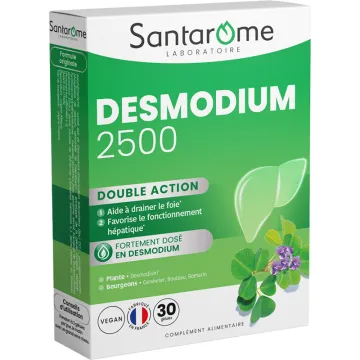
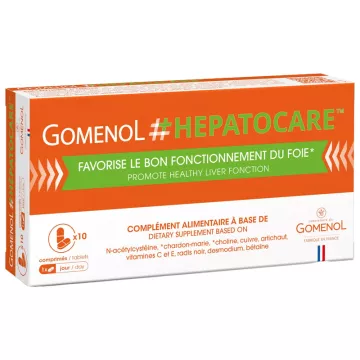
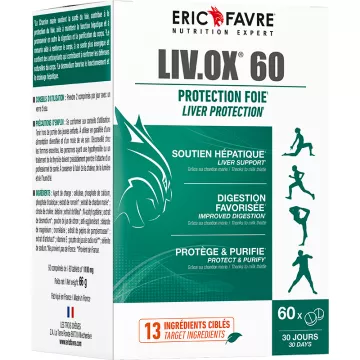
Liver disorders encompass all conditions affecting the liver—a key organ involved in metabolism, detoxification, and protein synthesis. This hub provides links to specialized pages. Arnaud, a Doctor of Pharmacy, notes that any persistent liver-related symptoms warrant a blood test. Our line of detox supplements contains active ingredients that protect the liver.
- Viral hepatitis (A, B, C, D, E): acute or chronic inflammation—vaccines available for A and B—antiviral drugs (AAD) for hepatitis C—see our hepatitis page
- Fatty liver disease (NASH/NAFLD): accumulation of fat in the liver—linked to obesity, diabetes, and a sedentary lifestyle—the leading cause of cirrhosis, which is on the rise—reversible through weight loss of 7–10% of body weight
- Alcoholic liver disease: steatosis → alcoholic hepatitis → cirrhosis — chronic alcoholism (>30 g/day for men, >20 g/day for women) — complete abstinence from alcohol is mandatory at the first signs
- Cirrhosis: end-stage hepatic fibrosis—irreversible—complications: portal hypertension, ascites, encephalopathy—see our page on cirrhosis
- Acute liver failure: sudden failure — jaundice + encephalopathy + severely depressed PT → urgent need for transplantation — see our pages on jaundice and liver failure
Liver Symptoms and Diagnostic Evaluation
- Suggestive symptoms: jaundice, chronic fatigue, right upper quadrant pain, dark urine, pale stools, pruritus, abdominal swelling (ascites), easy bruising (coagulation factor deficiency)
- Standard laboratory workup: AST/ALT (cytolysis), GGT/PAL (cholestasis), total and direct bilirubin, PT/INR (liver function), complete blood count, creatinine, blood glucose
- Imaging: Abdominal ultrasound as the first-line test (steatosis, cirrhosis, masses, gallstones) — liver MRI if findings are inconclusive — elastography (Fibroscan) to quantify fibrosis without a biopsy
- Specific markers: αFP (alpha-fetoprotein, screening for hepatocellular carcinoma) — anti-transglutaminase (autoimmune hepatitis) — ferritin + CST (hemochromatosis)
- Red flags (emergency): encephalopathy + profound jaundice + TP < 50% → call 15 (fulminant liver failure)
Natural hepatoprotective agents
Several natural active ingredients have clinical data supporting their ability to support liver function as a complement to medical treatment. Find these formulas in our detox supplement line.
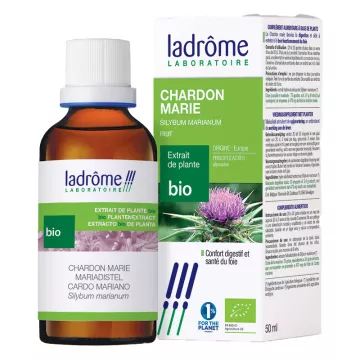
- Milk Thistle (silymarin): the most well-documented hepatoprotective agent — protects hepatocytes against oxidative stress — promotes liver cell regeneration — recommended as a supportive treatment for chronic hepatitis, steatosis, and alcoholic liver disease
- Turmeric (curcumin): anti-inflammatory for the liver + mild antifibrotic activity — bioavailable form (with piperine or liposomal) — supports treatment for NASH and drug-induced liver disease
- Omega-3 (EPA/DHA): reduce hepatic steatosis — anti-inflammatory effects + reduction in hepatic triglycerides — positive clinical data in NASH
- Unsweetened coffee: 2–3 cups/day reduce the risk of cirrhosis and hepatocellular carcinoma by 40% in epidemiological studies — hepatoprotective effect of diterpenes and caffeine
- Artichoke (cynarin): choleretic + mildly hepatoprotective — improves liver enzyme levels in mild steatosis
Hepatoprotective diet, alcohol, and prevention
- Alcohol: Complete abstinence if liver disease is diagnosed—a diseased liver can no longer metabolize alcohol without worsening the condition—drastic reduction even in cases of “mild symptoms”
- NASH/steatosis: 7–10% weight loss (documented regression of steatosis) — Mediterranean diet — reduction in simple sugars and saturated fats (industrial fructose = primary hepatic lipogenic factor)
- Liver-protective diet: cruciferous vegetables (broccoli, cabbage), berries (antioxidants), nuts (vitamin E), unsweetened coffee, legumes (fiber)—reduce alcohol, refined sugars, and ultra-processed foods
- Hepatotoxic medications to avoid or monitor: acetaminophen > 3 g/day (< 2 g if liver disease is present) — long-term NSAIDs — anti-tuberculosis drugs — report all medications to your doctor if liver function tests are abnormal
- Medical follow-up: annual liver function tests if risk factors are present (obesity, diabetes, alcohol, hepatotoxic medications) — Fibroscan if chronic liver disease is present — αFP every 6 months if cirrhosis is present (HCC screening)