What is liver failure, and how is it classified?
Liver failure refers to the partial or total loss of the liver’s functional capacity—including metabolism, detoxification, protein synthesis, and coagulation. It is a serious condition requiring specialized hepatological care. Arnaud, Ph.D. in Pharmacy, emphasizes that no dietary supplement can replace medical treatment in cases of confirmed liver failure. See our hub on liver disorders.
- Acute liver failure (ALF): sudden onset in a previously healthy liver — TP < 50% + encephalopathy < 8 weeks — urgent need for transplantation — main causes: acetaminophen overdose (70% of AHI cases in France), fulminant viral hepatitis, poisonous mushrooms (Amanita phalloides)
- Chronic liver failure (CLF): progressive deterioration in a diseased liver — compensated cirrhosis followed by decompensated cirrhosis — alcohol, chronic hepatitis B/C, NASH, chronic cholestasis
- Acute-on-chronic liver failure (ACLF): sudden decompensation in a patient with cirrhosis—infection, hemorrhage, alcohol—high short-term mortality
- Essential liver functions: synthesis of clotting factors (PT/INR), albumin, bilirubin, drug metabolism, ammonia detoxification (→ encephalopathy if these functions fail)
- Biological markers of severity: PT < 50% + Factor V < 50% = criteria for urgent transplantation — bilirubin + PT + creatinine = MELD score (prognosis)
Symptoms, Complications, and Emergencies
- Jaundice: progressive yellowing of the skin and eyes — accumulation of bilirubin — see our page on jaundice
- Hepatic encephalopathy: accumulation of ammonia (not detoxified by the liver) → neurological disorders — asterixis (flapping tremor), confusion, disorientation, coma — stages I through IV
- Coagulation disorders: deficiency in factors II, V, VII, X,and fibrinogen → easy bleeding, bruising, hemorrhages — collapsed PT
- Ascites: hypoalbuminemia + portal hypertension → accumulation of fluid in the abdomen — paracentesis if the volume is large
- Absolute emergencies: stage III–IV encephalopathy + PT < 30% → call 15 — acetaminophen poisoning → urgent IV N-acetylcysteine + ERCP if poisoning occurred < 24 hours ago
Treatments, medications to avoid, and nutritional support
- Acetaminophen: Strict maximum dose — 2 g/day (vs. 4 g/day in healthy individuals) if chronic liver disease — acute poisoning → IV N-acetylcysteine as antidote — never use NSAIDs (hepatotoxic, nephrotoxic)
- Hepatotoxic medications to avoid: antitubercular drugs (isoniazid), methotrexate, certain antibiotics (amoxicillin-clavulanic acid), high-dose statins, amiodarone — report any liver disease to the prescriber
- Nutrition in liver failure: protein 1.2–1.5 g/kg/day (do not restrict — the myth of protein restriction in cirrhosis) — divide into 5–6 meals — protein-rich evening snack (limits nocturnal catabolism)
- Zinc: nearly universal deficiency in cirrhosis—plays a role in ammonia metabolism—25–45 mg/day of supplemental zinc for support
- Vitamin D3: very common deficiency in chronic liver disease (impaired hepatic synthesis) — 1,000–2,000 IU/day under serological monitoring
Liver Transplantation, Follow-up, and Prevention
- Liver transplantation: the only curative treatment for end-stage liver failure — King’s College (IHA) criteria or MELD > 15 (IHC) — national waiting list managed by the Biomedicine Agency — 5-year survival rate: 75–80%
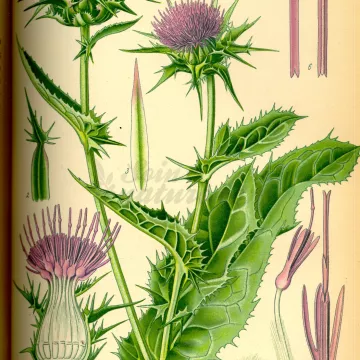
- Milk thistle (silymarin): hepatoprotective — hepatocyte antioxidant — supportive therapy for mild to moderate chronic liver disease in combination with medical treatment — medical consultation required — never substitute for specialized treatment
- Complete cessation of alcohol consumption: if alcoholic liver disease is present — mandatory requirement for placement on the transplant list (6 months of proven abstinence)
- Specialized follow-up: hepatology consultation every 3–6 months — laboratory tests (PT/INR + AST/ALT + bilirubin + albumin + creatinine + CBC) — Annual Fibroscan — α-FP + ultrasound every 6 months (HCV screening)
- Vaccinations: Hepatitis A and B are essential for all non-immunized patients with cirrhosis — pneumococcal vaccine + annual flu vaccine (relative immunosuppression)