Solidago Virga Aurea Homeopathic Granules by Boiron
Solidago Virga Aurea offers a natural and flexible therapeutic solution for individuals experiencing urinary and kidney disorders, as well as other conditions requiring diuretic and detoxifying action. Its availability in various formulations and dilutions ensures a tailored approach, reflecting homeopathy’s commitment to providing personalized care that respects each patient’s unique needs.
Registered medication: EH00954
Listed in the pharmacopoeia. Origin: Plant-based
Korsakovian dilutions available in 200K, 1,000K, and 10,000K, in tubes and single doses, and marketed as compounded preparations pending evaluation.
Dosage Forms: Granules, Doses, Drops, Oral Ampoules, Triturations, Suppositories
Name: Solidago virga-aurea
Therapeutic Indications: Vesicular pain, urinary lithiasis
Origin of the Homeopathic Strain
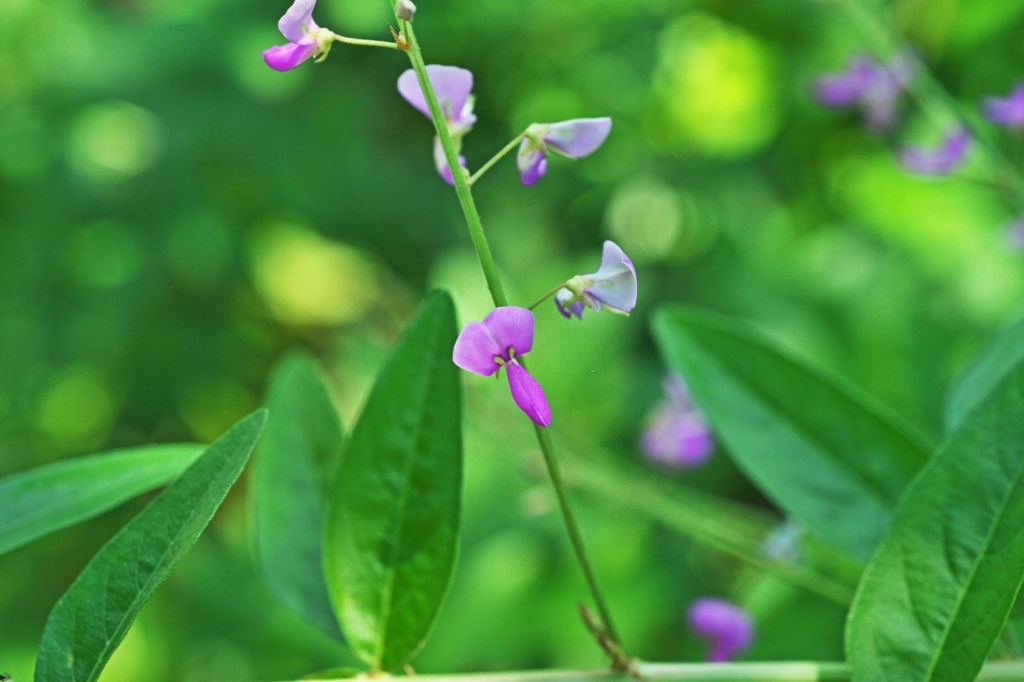
The Solidago Virga Aurea homeopathic stock is extracted from goldenrod, a plant of the Asteraceae family characterized by its yellow flowers and reddish stem. This plant is found primarily in woods and clearings. The mother tincture is prepared from the plant’s flowers.
Indications and Dosage for Solidago Virga Aurea
Homeopathic remedies can be used for a variety of symptoms. The homeopathic physician selects the appropriate dilution and dosage based on the patient’s health condition and characteristic symptoms.
Solidago virga-aurea, commonly known as goldenrod, is a plant-based homeopathic remedy. This plant is traditionally used for its diuretic and anti-inflammatory properties.
Solidago Virga Aurea is frequently used to treat the following conditions:
- Urinary and kidney disorders, such as urinary tract infections, kidney inflammation, and kidney stones, by helping to increase urine production and promote the elimination of toxins.
- Edema and water retention, where its natural diuretic properties can help reduce excess fluid in the body.
- Joint pain and rheumatism, where it can help eliminate metabolic waste and reduce inflammation.
For gallbladder pain, it is recommended to combine Solidago virga aurea with other homeopathic remedies such as Carduus marianus and Chelidonium majus for a synergistic effect on the liver. In cases of urinary stones, combining it with Berberis vulgaris is recommended for optimal effectiveness.
Therapeutic Indications:
- Solidago virga aurea is traditionally used in homeopathy for its beneficial effects on the liver and kidneys, acting as a detoxifying agent.
- It is also recommended for its anti-inflammatory action.
- May be used in cases of excess uric acid.
Solidago Virga Aurea by Boiron: A Homeopathic Remedy for the Urinary and Digestive Systems
Homeopathic Treatment for Renal and Hepatobiliary Disorders: Solidago Virga Aurea, offered by Boiron in a wide range of dilutions, from 3CH to 30CH, as well as in 4DH, 6DH, 200K, and 1000K in the form of granules, doses, or an oral solution, is a homeopathic remedy frequently recommended for its effectiveness in urology and gastroenterology. It is specifically used to treat mild renal insufficiency accompanied by oliguria and mild hepatobiliary insufficiency.
Use in Urology
Improvement of Kidney Function: Solidago Virga Aurea plays a crucial role in the management of mild renal insufficiency by helping to improve urine output and support kidney function. This remedy thus offers valuable support for those suffering from oliguria, promoting better elimination and urinary well-being.
Application in Gastroenterology
Support for the Hepatobiliary System: In gastroenterology, Solidago Virga Aurea helps treat mild hepatobiliary insufficiencies, contributing to improved liver and gallbladder function. This homeopathic treatment aids digestion and promotes overall digestive comfort.
A Gentle Approach to Urinary and Digestive Well-being
Toward Better Urinary and Digestive Health: The use of Solidago Virga Aurea in homeopathy offers a gentle, natural approach to treating mild conditions of the urinary and digestive systems, without the side effects often associated with conventional drug treatments. This homeopathic remedy is a valuable therapeutic option for those seeking natural solutions for their urinary and digestive health.
Directions for Use and Instructions for Solidago Virga Aurea
Remove the tab, turn the tube of Solidago Virga Aurea 3CH, 4CH, 5CH, 7CH, 9CH, 1DH, 3DH, or 6DHupside down , andgently pull the cap.
Turn the tube to dispense the desired number of granules into the cap, then place the granules under the tongue.
It is recommended that you do not touch the homeopathic granules with your fingers.
If the correct dose is unavailable, take 10 granules of the same dilution.
Dilution (Oral solution in drops: Solidago Virga Aurea 4DH, 6DH)
60-ml bottle (1,200 drops)
Usual Dosage
Adults: 10 to 15 drops per dose
Children under 12 years of age: 1 drop per year of age; do not exceed 10 drops per dose.
Do not administer without medical advice.
2 to 3 times a day.
Oral use
Dilute in a small amount of water. Hold in the mouth for a few moments before swallowing.
For children, allow at least 4 hours between doses.
Use a mint-free toothpaste (such as Homéodent Boiron, a toothpaste compatible with taking homeopathic granules).
How to use Solidago Virga Aurea Boiron?
It is important to follow the dosing recommendations provided by a healthcare professional to ensure optimal use of Solidago Virga Aurea in your treatment plan.
Is Solidago Virga Aurea suitable for everyone?
Solidago Virga Aurea may be appropriate for individuals experiencing the mentioned urinary and digestive conditions, but a medical consultation is recommended for a personalized evaluation and prescription.
When can an improvement be expected?
Results may vary depending on the individual and the severity of symptoms. Improvement may be noticed after several days or weeks of regular use. Regular follow-up with a healthcare professional is advised to assess the treatment’s effectiveness.
Main Clinical Applications
Bladder Pain
This homeopathic remedy is indicated for the relief of gallbladder pain. It is often combined with other homeopathic remedies such as Carduus marianus and Chelidonium majus, which have a hepatoprotective effect, and Taraxacum dens leonis.
Urinary Stones
It is also effective in the treatment of urinary stones, often in combination with Berberis vulgaris, whichprimarily acts on the kidneys.
Dosage Protocols
For the indicated conditions, the recommended dilution is Solidago virga-aurea 6 DH. The regimen consists of 20 oral drops diluted in a small amount of water, to be taken before lunch and dinner. The duration of treatment ranges from 1 to 3 months.
Packaging and Contents
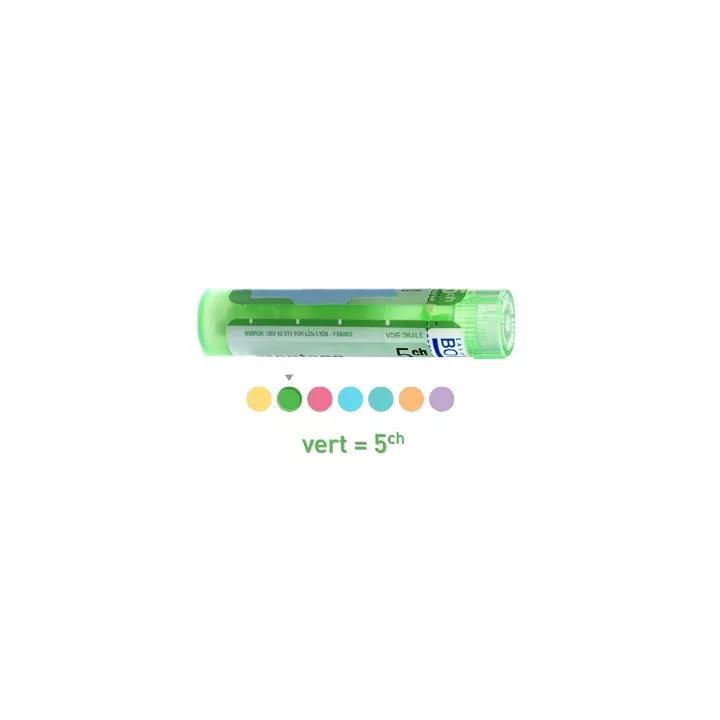
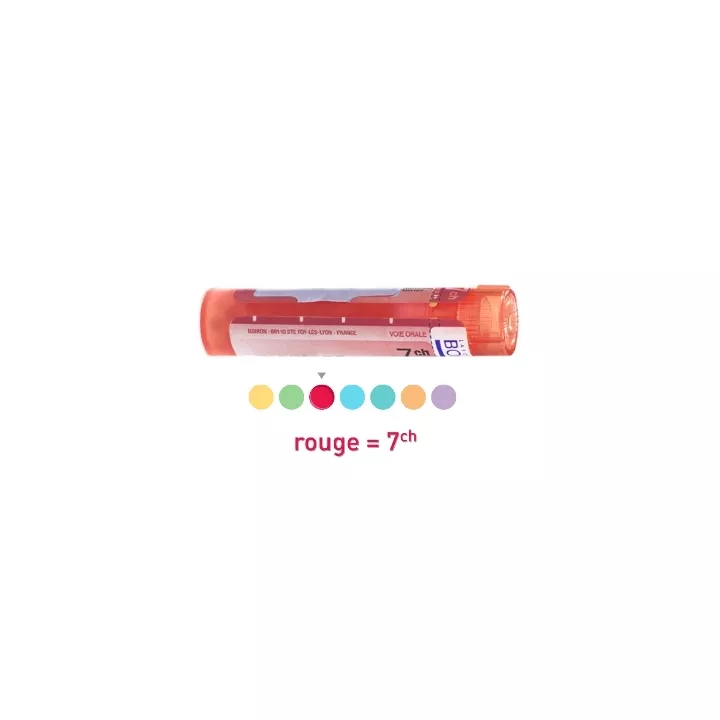
Translucent tube of Solidago Virga Aurea granules in 3CH, 4CH, 5CH, 7CH, 9CH, 1DH, 3DH, and 6DH potencies (allows you to see the remaining granules). Weight: 4 g. Approximately 80 granules.
This homeopathic medicine is prepared from Solidago Virga Aurea extract, diluted and potentized according to homeopathic principles.
For more information about this medication or to receive personalized advice, it is recommended that you consult a healthcare professional or a pharmacist trained in homeopathy.
Solidago virga-aurea, also known as goldenrod, is a plant recognized for its diuretic and detoxifying properties. Registered under number EH00954 and listed in the French and European Pharmacopoeias, this homeopathic strain is available in doses, drops (alcohol-based), tubes, and for compounded preparations, offering a range of dilutions suited to various therapeutic needs. This article explores the characteristics and applications of Solidago virga-aurea in homeopathic medicine.
Origin and Properties
Solidago Virga Aurea is a medicinal plant traditionally used for its beneficial effects on the urinary system. In homeopathy, it is prepared from the whole plant, harnessing its natural diuretic effects to treat various kidney and urinary disorders.
Available Formulations
Doses and Tubes: Solidago Virga Aurea is available in several potencies, ranging from 3 CH to 30 CH in tubes and from 4 CH to 15 CH in doses, allowing for personalized treatment based on the patient’s symptoms and sensitivity.
Drops (Alcohol-Based): Also available in alcohol-based drops at 4 DH and 6 DH, this formulation facilitates easy administration and effective absorption.
- Solidago Virga Aurea 4DH Drops: Available in a 125-ml bottle, this homeopathic medicine is prepared in a 4DH dilution.
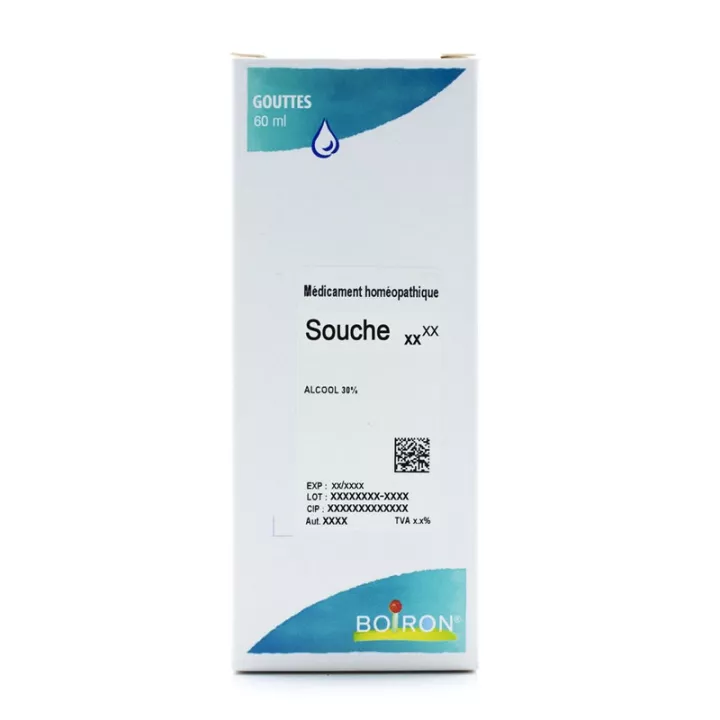
- Solidago Virga Aurea 6DH Drops: Available in 60-ml bottles, it is prepared in a 6DH dilution.
Compounded Preparations: For a more specific adaptation, Solidago Virga Aurea can be prepared in Hahnemannian dilutions starting at 2 CH and in Korsakovian dilutions (200K, 1,000K, 10,000K), reinforcing homeopathy’s individualized approach.
Therapeutic Applications
Solidago Virga Aurea is frequently used to treat the following conditions:
- Urinary and kidney disorders, such as urinary tract infections, kidney inflammation, and kidney stones, by helping to increase urine production and promote the elimination of toxins.
- Edema and water retention, where its natural diuretic properties can help reduce excess fluid in the body.
- Joint pain and rheumatism, where it may help eliminate metabolic waste and reduce inflammation.
Precautions for Use
Warning
Contains sucrose. Store homeopathic medicines away from light, heat, and moisture.
AdministeringSolidago Virga Aurea Homeopathic Granulesto Infants and Children
Dissolve the homeopathic granules in 100 ml of water. Since the granules take a long time to dissolve, it is necessary to prepare the mixture in advance.
Homeopathy and Pregnancy
Solidago Virga Aureahomeopathic remedies in 3CH, 4CH, 5CH, 7CH, 9CH, 1DH, 3DH, and 6DH have nochemical toxicity, no contraindications, no interactions with other medications, and no adverse effects related to the amount ingested. Pregnant women can use these remedies without any known risk to themselves or their unborn child, but it is best to seek advice.
Frequency of Homeopathic Use
For acute conditions, it is recommended to take homeopathic remedies every hour until symptoms improve. Once symptoms improve, doses should be spaced out to 3 or 4 times a day, then gradually discontinued.
For chronic conditions, remedies in low dilutions (>9CH) are taken 1 to 2 times a day, while constitutional remedies are taken once a week or even once a month. This decision is left to the homeopath.
What to Do If There Is No Improvement Within 24 Hours
Certain conditions cannot be treated with homeopathy through self-medication alone. Your doctor will determine whether your condition can be treated with homeopathy alone or whether your treatment should be supplemented with conventional medicine.