What brain mechanisms govern intellectual concentration?
Intellectual concentration is regulated by two main neurotransmitter systems:
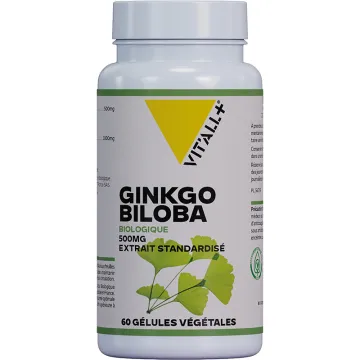
- The cholinergic system: acetylcholine is the neurotransmitter involved in working memory and selective attention. Its synthesis depends on choline and acetyl-CoA. Ginkgo biloba inhibits acetylcholinesterase, increasing the availability of acetylcholine at the synapses.
- The noradrenergic/dopaminergic system: norepinephrine regulates alertness and sustained attention; dopamine regulates motivation and working memory. These systems are activated by caffeine (an adenosine receptor antagonist).
Concentration is also influenced by cerebral microcirculation (oxygen and glucose supply) and the absence of low-grade neuroglial inflammation.
Do caffeine and green tea really improve concentration?
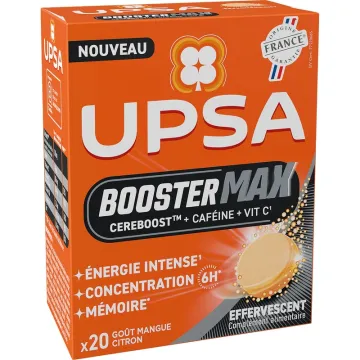
Yes— caffeine is the best-documented cognitive stimulant. Its mechanism of action: as an antagonist of adenosine A1 and A2A receptors, it lifts the inhibition on the release of dopamine, norepinephrine, and acetylcholine. Documented effects:
- Improved sustained attention, processing speed, and working memory at doses of 100 to 200 mg.
- Reduction in reaction time by 5 to 10%. Optimal effect 30 to 60 minutes after ingestion; duration 3 to 5 hours.
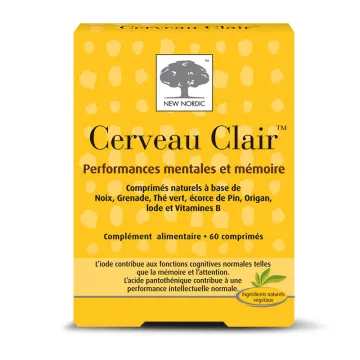
L-theanine from green tea modulates the bioavailability of caffeine and increases alpha brain waves (a state of relaxed alertness). According to EEG studies, the caffeine-L-theanine synergy is more effective than caffeine alone for sustained attention without anxiety.
Does ginkgo biloba improve concentration and attention?
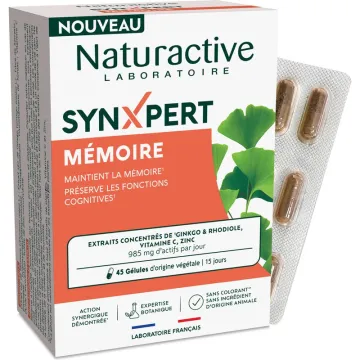
Ginkgo biloba affects concentration through four mechanisms:
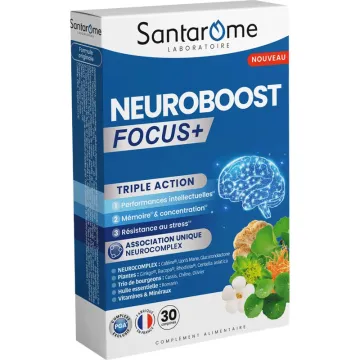
- Improved cerebral microcirculation: its terpenes (bilobalide, ginkgolides) inhibit PAF and increase blood flow in the cerebral capillaries.
- Inhibition of acetylcholinesterase: increases acetylcholine levels in hippocampal synapses.
- Antioxidant properties: Its flavonoids neutralize free radicals that damage neuronal membranes.
- GABAergic modulation: reduces excessive inhibition in certain cognitive areas.
Meta-analyses confirm improved attention and processing speed in adults over 50. Strictly contraindicated with anticoagulants.
Does L-tyrosine support concentration under stress?
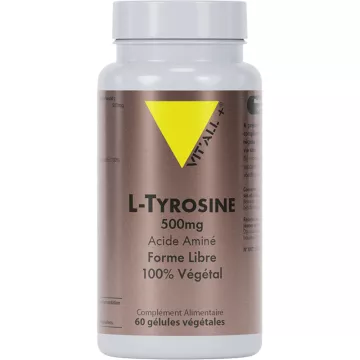
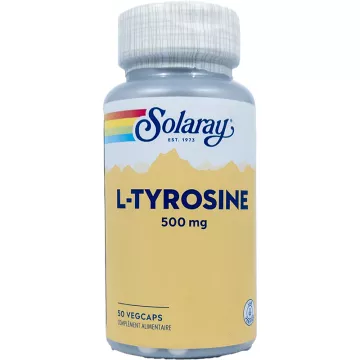
L-tyrosine is a precursor to dopamine and norepinephrine. During acute stress (sleep deprivation, intense cognitive load), the brain’s tyrosine reserves are depleted. Supplementation (500 to 2,000 mg, 30 to 60 minutes before exertion) maintains performance under pressure. Military and academic studies show that it prevents declines in working memory and cognitive flexibility during intense psychological stress. Contraindications: hyperthyroidism, melanoma, MAOIs, L-DOPA.
Does Bacopa monnieri provide long-term benefits for concentration?
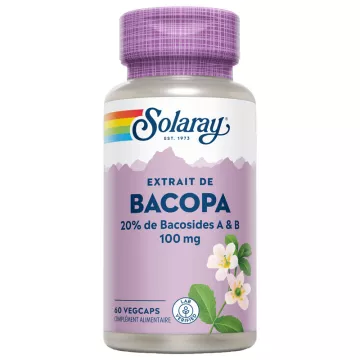
Bacopa monnieri (Brahmi) improves concentration over the long term through its bacosides, which:
- Enhance hippocampal cholinergic transmission and muscarinic receptor density.
- Reduce cognitive anxiety (mild GABAergic effect) that disrupts concentration.
- Improve learning speed and information retention after 8 to 12 weeks in randomized controlled trials.
Unlike caffeine (which has an immediate effect), Bacopa requires regular supplementation (300 to 600 mg of extract standardized to 20% bacosides) for at least 3 months to assess its actual effect.
Magnesium and Sleep: The Foundations of Concentration?
Yes—two fundamental factors determine concentration before any supplementation:
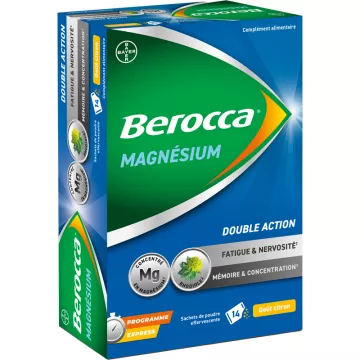
- Magnesium: a deficiency impairs hippocampal synaptic plasticity (working memory) and increases neuronal hyperexcitability. The L-threonate form crosses the blood-brain barrier more effectively and has been shown to improve synaptic density in preclinical studies.
- Sleep: Dopamine and norepinephrine reserves are replenished during deep sleep. According to laboratory studies, a sleep deficit of 1 to 2 hours reduces cognitive performance to the same extent as 24 hours without sleep.