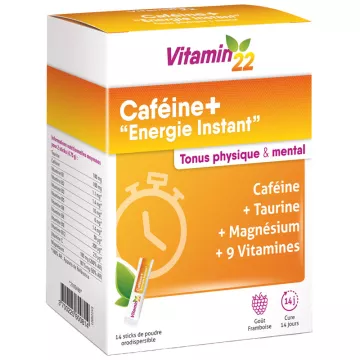
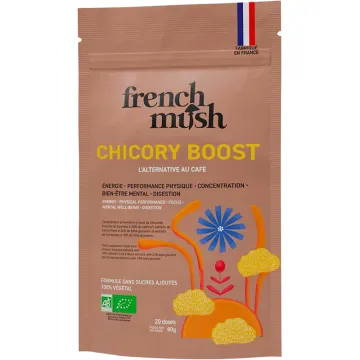
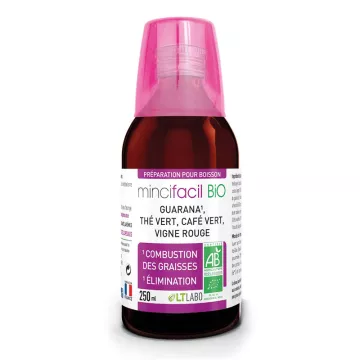
Caffeine (1,3,7-trimethylxanthine) is the most widely consumed psychostimulant in the world—found in coffee, tea, mate, guarana, and many dietary supplements. Its primary mechanism of action is the antagonism of A1 and A2A adenosine receptors in the brain—adenosine is an inhibitory neuromodulator that accumulates during wakefulness and induces drowsiness. By blocking these receptors, caffeine delays fatigue and indirectly increases the release of dopamine and norepinephrine. Rapidly absorbed (Tmax 30–60 min), it is metabolized by hepatic CYP1A2 (half-life 3 to 7 hours, highly variable depending on genotype). Its documented effects include improved alertness, working memory, physical performance, and pain tolerance.
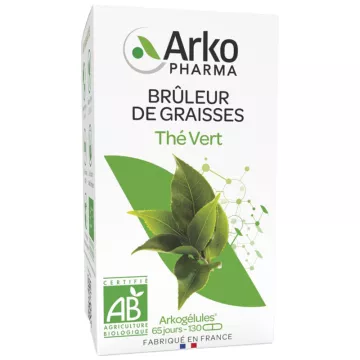
Two active ingredients frequently combined with caffeine in energy formulas. Green tea (EGCG + natural caffeine) enhances the stimulating effect through synergy: its catechins inhibit phosphodiesterases and potentiate intracellular cAMP, prolonging the stimulating effect. Arkogélules Green Tea combines EGCG and caffeine for a combined thermogenic and energizing effect. Taurine (1–2 g), a common ingredient in energy drinks, modulates calcium and sodium channels in nerve cells and enhances synaptic transmission during states of alertness.
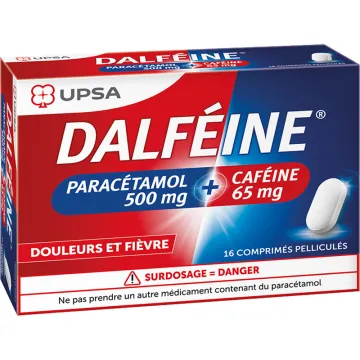
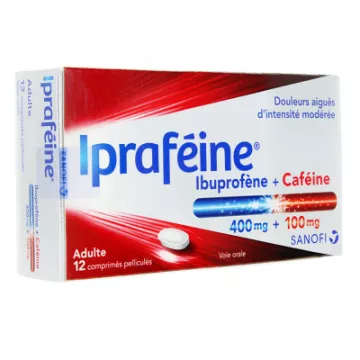
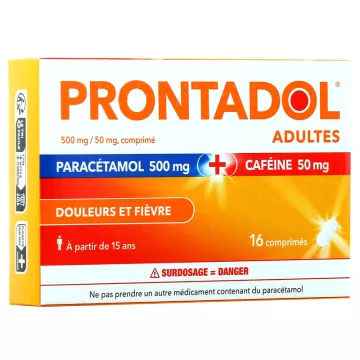
Caffeine is a recognized analgesic adjuvant, used in combination with acetaminophen (Dalféine, Prontadol), aspirin (Actron), and ibuprofen (Ipraféïne). It enhances the central analgesic effect of pain relievers by increasing their penetration into the brain and causes mild vasoconstriction, which is beneficial for vascular headaches. The Cochrane meta-analysis (Derry et al., 2012) confirms that a dose of 100–200 mg of caffeine increases the analgesic efficacy of ibuprofen or acetaminophen by 5 to 10%—justifying its inclusion in OTC combination products available in drugstores.
Cellulite is one of the best-documented cosmetic indications for topical caffeine. Percutaféine Slimming Gel with 5% Caffeine (Pierre Fabre) has published clinical data showing a reduction in subcutaneous fat thickness and an improvement in cutaneous microcirculation after 4 weeks of application via massage. Caffeine inhibits phosphodiesterases in adipocytes, increasing intracellular cAMP, which activates lipolysis. This action is amplified by the friction of the massage and the localized heat generated.
Contraindications: generalized anxiety disorder, cardiac arrhythmia, uncontrolled hypertension, pregnancy > 200 mg/day (EFSA risk), children < 12 years of age, active gastroduodenal ulcer. Drug interactions: Fluoroquinolones and fluvoxamine (CYP1A2 inhibitors) increase plasma levels and effects; lithium (caffeine reduces its absorption). For mental focus, the combination of caffeine and L-theanine (from green tea) is the most balanced—theanine reduces caffeine-induced anxiety while preserving its effect on alertness.
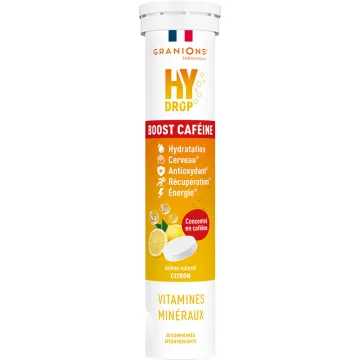
Caffeine is one of the few ergogenic substances recognized by the World Anti-Doping Agency (WADA)—it is not banned but is monitored, with a documented effective dose of 3 to 6 mg/kg of body weight taken 60 minutes before exercise. It improves maximum power, endurance, and perception of exertion, as shown in meta-analyses with a very high level of evidence. Its most well-documented combinations in sports include: caffeine + creatine (synergistic effect on explosive strength, although some studies show mutual attenuation), caffeine + beta-alanine (lactic acid buffering + alertness), and caffeine + L-carnitine (fatty acid mobilization + alertness during endurance exercise). Hydrop Boost Caffeine Granions (caffeine + electrolytes) is a convenient formula for use around the time of exercise. For persistent fatigue beyond physical exertion, a complementary approach to managingasthenia is necessary.