
Asthenia has different nutritional requirements depending on age, gender, and lifestyle. In children and adolescents, deficiencies in iron (for growth), zinc, and B vitamins are a priority—Pediakid Multivitamin Gummies and Azinc Junior meet these specific needs. For women of childbearing age, iron deficiency (due to menstrual blood loss) and folic acid deficiency are key concerns. For athletes, fatigue results from an imbalance between training load and recovery. In older adults, deficiencies in B12, D3, and protein are most common. Understanding one’s specific weakness profile helps guide the selection of truly appropriate active ingredients rather than relying on non-targeted multi-supplementation.
Two amino acids that serve as precursors to neurotransmitters for the psychological components of asthenia. Tryptophan (500–1,000 mg/day, taken separately from protein) is a precursor to serotonin—a deficiency of which causes anhedonia, mental fatigue, and low mood—and is converted into melatonin to improve restorative sleep. L-tyrosine (500–1,500 mg/day, in the morning on an empty stomach) is a precursor to dopamine and norepinephrine—a deficiency of which causes motivational fatigue, lack of initiative, and cognitive sluggishness, characteristics of asthenia resulting from chronic intellectual overexertion.
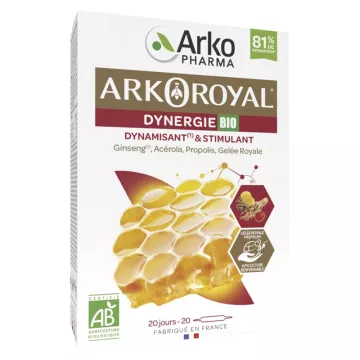
Royal jelly (10-HDA, full spectrum of B vitamins, zinc, and acetylcholine precursor) stimulates neural and immune cells through its 10-hydroxydecenoic acid and provides all the cofactors necessary for energy metabolism via its full spectrum of B vitamins. Revitalose ampoules (royal jelly + B vitamins + vitamin C) is a short-term treatment formula ideal for temporary asthenia in early spring or after winter—1 ampoule daily in the morning on an empty stomach for 3 to 4 weeks.
Omega-3s (EPA/DHA, 1–2 g/day) help balance mood and reduce the low-grade inflammation associated with hormone-related fatigue—they also alleviate premenstrual symptoms (irritability, cyclic fatigue). Vitamin B9 (folic acid, 400–800 µg/day) is essential for red blood cell production—a deficiency, common among women taking oral contraceptives (estrogens reduce its absorption), leads to fatigue, irritability, and difficulty concentrating.
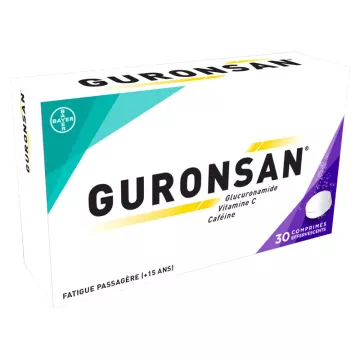
The duration and format should be tailored to the individual’s profile and circumstances. Temporary post-winter asthenia: a short course of 3–4 weeks (Revitalose, Guronsan, royal jelly). Chronic exhaustion: a long course lasting 3–6 months (eleuthero, tryptophan, tyrosine, magnesium). Deficiency-related asthenia: 8–12 weeks of treatment (iron, B12, D3) followed by a half-dose for maintenance. Children and adolescents: age-appropriate multivitamins for 4–6 weeks during periods of fatigue at school. For athletes, specific sports recovery supplements (BCAA + magnesium + glutamine) complement the anti-asthenia strategy.
Penicillinum 5CH (Boiron) is a homeopathic nosode indicated for asthenic constitutions characterized by recurrent susceptibility to ENT infections and a tendency toward bacterial superinfections requiring frequent antibiotic use — it targets the “penicillin-sensitive constitution,” characterized by recurrent asthenia following antibiotic therapy, sensitivity to mold, and a weakened immune system. Its use is part of a long-term homeopathic constitutional approach (1 dose per week for 3 months), in conjunction with nutritional measures to restore the microbiota. For asthenia associated with recurrent infections, the combination of Penicillinum, probiotics, zinc, and vitamin D3 constitutes a coherent, comprehensive approach.