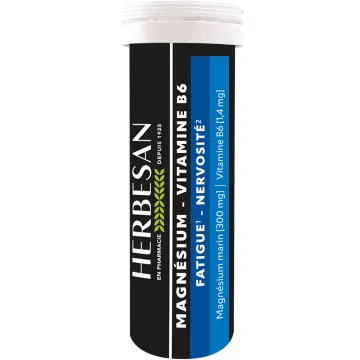
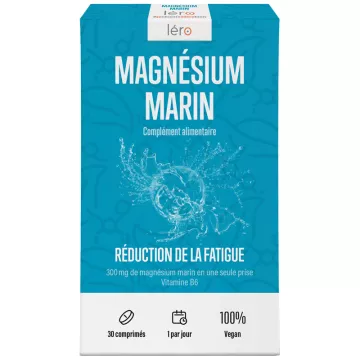
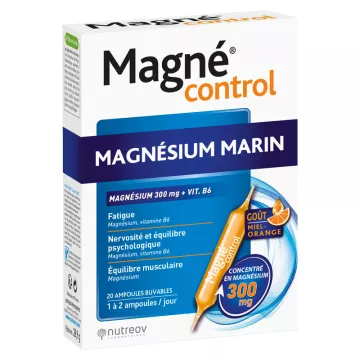
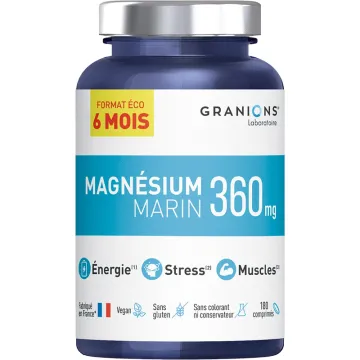
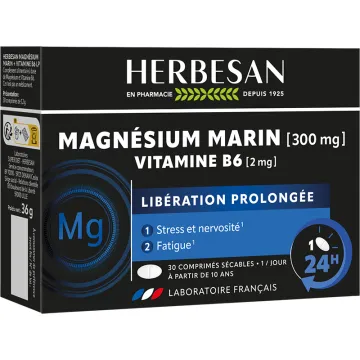
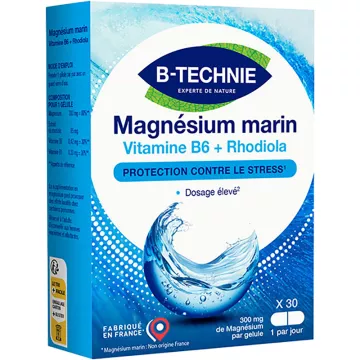
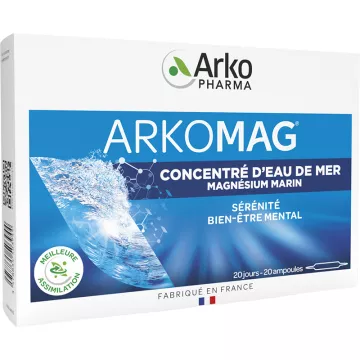
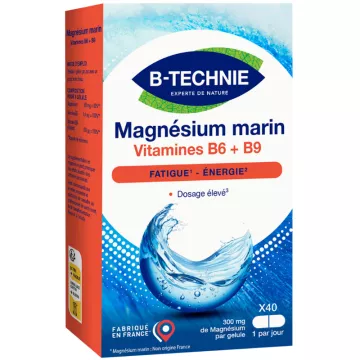
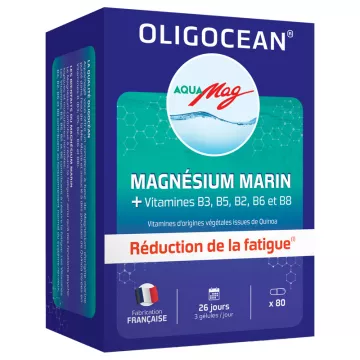
Marine magnesium is extracted from seawater through a process of evaporation and concentration, which isolates the mineral salts naturally present in the ocean. Unlike synthetic magnesium (bisglycinate, citrate, oxide), which is produced through chemical reactions in a laboratory, marine magnesium is claimed by manufacturers to be entirely natural in origin, a feature that appeals to consumers seeking products perceived as less processed.
The main difference lies in the composition: marine magnesium naturally occurs as magnesium chloride, combined with a range of marine trace minerals including potassium, whereas synthetic forms isolate magnesium alone, bound to a specific compound chosen to optimize its tolerability or absorption. Marine magnesium generally contains a lower concentration of elemental magnesium per capsule than bisglycinate, which sometimes means taking more capsules to reach an equivalent dose.
Magnesium chloride has decent bioavailability, comparable to that of other inorganic magnesium salts, but generally lower than that of amino acid-bound bisglycinate. Its digestive tolerance also varies from person to person: chloride may cause a more pronounced laxative effect than chelated forms at an equivalent dose—a factor to consider if you have a sensitive digestive system or a tendency to have difficulty falling asleep, which is exacerbated by nighttime digestive discomfort.
In addition to magnesium, seawater naturally contains calcium, trace amounts of zinc, and numerous other trace minerals in minute quantities. While this mineral richness is often highlighted in marketing, the amounts of these associated elements are generally too low to have a significant nutritional impact on their own: the product’s value lies primarily in its magnesium content.
The quality of a marine magnesium supplement depends largely on the source region and the purification process used by the manufacturer, as certain seawater sources may potentially contain traces of heavy metals depending on their geographic origin. As with iron or other minerals, choosing a brand that is transparent about the geographic origin of its source and the purity tests conducted is a more relevant selection criterion than mere marketing claims on the packaging.
As with other forms of magnesium, a 4- to 8-week course of treatment at a moderate dose is generally recommended for fatigue, nervousness, or stress-related tension. Because its concentration of elemental magnesium is often lower than that of other forms, it is helpful to check the label for the actual amount of magnesium provided per serving rather than relying solely on the product’s total weight, which includes chloride and associated trace minerals.
The general precautions regarding magnesium fully apply to marine magnesium: people with kidney insufficiency must seek medical advice before taking any supplements, as the kidneys are responsible for eliminating excess magnesium and most associated trace minerals. If you experience bothersome laxative effects, reducing the dose or spreading it out over the course of the day generally improves digestive tolerance without having to discontinue the treatment.