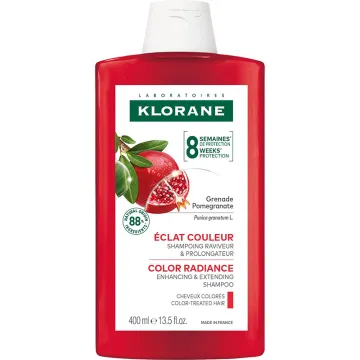
The pomegranate (Punica granatum) is an exotic fruit with thick skin, native to the Middle East and the Mediterranean region. With an interior containing numerous juicy seeds called arils, the pomegranate has been consumed for millennia in traditional diets. Rich in vitamins, minerals, and fiber, it serves as a versatile nutritional supplement in various forms—fresh fruit, juice, powder, and seed oil.
What is the nutritional profile of the pomegranate?
The pomegranate is characterized by a nutrient-dense composition:
- Vitamins: vitamin C, B vitamins
- Key minerals: potassium, magnesium, zinc, selenium
- Fiber: a significant source contributing to a high-fiber diet
- Phytochemicals: polyphenols and flavonoids naturally present in the fruit
This nutritional density makes the pomegranate an interestingdietary supplement for a variety of diets.
Where does the pomegranate come from, and how does it grow?
Native to the Middle East and the Mediterranean basin, pomegranates are now cultivated in regions with warm-temperate climates: the Mediterranean, Iran, India, and Latin America. The pomegranate tree is a shrub that grows 5–8 meters tall, with orange-red flowers, and produces round fruits. When ripe, the fruit opens naturally, revealing pink or red arils filled with sweet juice.
What are the main varieties of pomegranates?
- Sweet pomegranate: sweet arils, low acidity, eaten fresh
- Tart pomegranate: more tart, used for juice or cooking
- Seedless varieties: arils are fully edible; growing in popularity
How can pomegranates be enjoyed in different ways?
- Fresh: arils added to salads, desserts, and smoothies; adds crunch and color
- Fresh juice: a concentrated source of vitamins and minerals, a nutritious daily beverage (150–200 ml recommended)
- Powder: mixed into shakes, yogurt, and muesli—a convenient source of nutrition
- Pomegranate seed oil: used in cosmetics (creams, serums), cooking, and as a plant-based source of omega-3s
Extraction tip: Cut the pomegranate in half and tap the skin with a wooden spoon to easily release the arils.
What is the flavor profile and culinary use of the pomegranate?
Pomegranate has a distinctive flavor with a balanced sweetness and acidity. The arils have a crunchy texture, and the juice is naturally slightly sweet. Culinary uses: salads (vegetables/fruits), grains (rice, couscous), yogurt, smoothies, sauces, meat marinades, and salad dressings. The seeds add visual crunch and natural color to presentations.
Can pomegranates be paired with other fruits or ingredients?
Pomegranates pair well with:
- Fresh fruits: apples, grapes, mixed berries with varied sweetness and flavors
- Fruit juices: pomegranate + apple, cranberry, orange—for nutritional variety
- Supplement powders: pomegranate smoothie blend + cocoa powder, spirulina, flaxseed—for versatile nutrition
What commercial forms of pomegranate are available?
- Fresh fruit: September–January, depending on climate and seasonal availability
- Concentrated or fresh pasteurized juice: long shelf life, convenience
- Dried pomegranate powder: freeze-dried arils, long shelf life, easy to measure
- Pit oil: cold-pressed, for topical cosmetic use
How do you store fresh pomegranates?
- At room temperature: 1–2 weeks for whole fruit, in a cool, dry place
- Refrigerator: 3–4 weeks whole, 3–4 days for separated arils in an airtight container
- Freezing: Place arils on a tray, then transfer to a freezer bag for long-term storage
Are there any practical considerations when consuming pomegranates?
- Natural acidity: Pomegranate juice is naturally acidic and may stain clothing or surfaces
- Natural sugars: The fruit contains natural sugars; moderation is advised (half a pomegranate or a glass of juice is the recommended daily serving)
- Edible seeds: The seeds are entirely edible and are normally digested (do not swallow if they cause discomfort)
What is the seasonality and availability of pomegranates?
Pomegranates are a seasonal fruit: harvested from September through December in temperate regions (the Mediterranean, the United States, Iran). Global availability is extended through imports from tropical countries where they are produced year-round. Fresh fruit is available in the fall and winter, while juice, powder, and oil are available year-round.