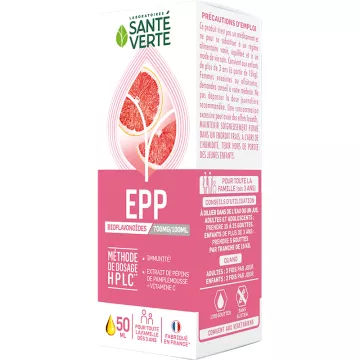
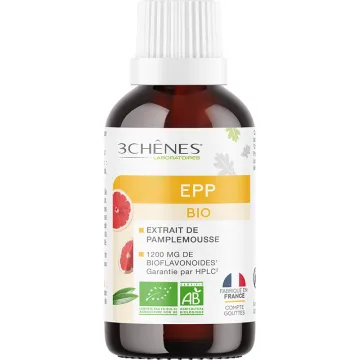
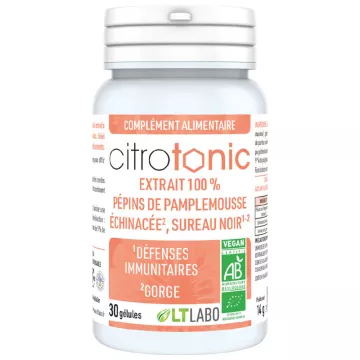
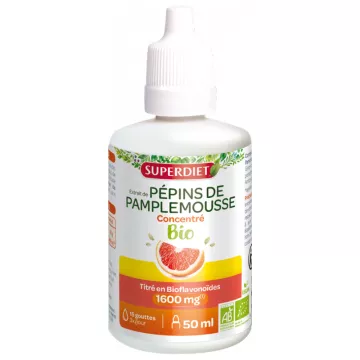
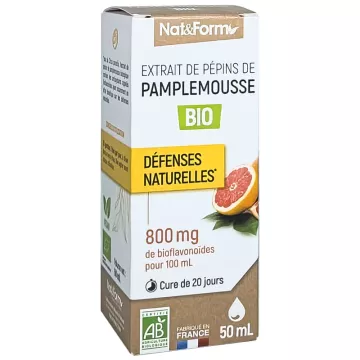
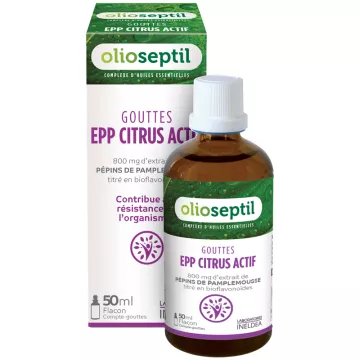
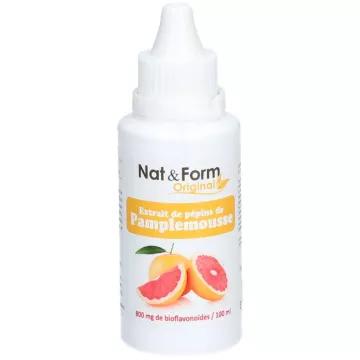
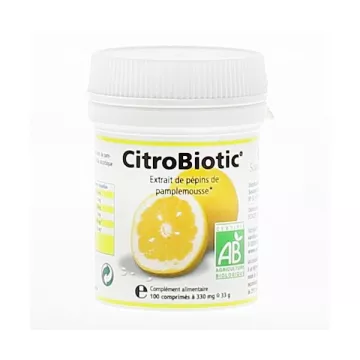
Grapefruit seed extract (EPP) is a concentrate of bioflavonoids (naringin, hesperidin, naringenin) from the seeds and white pulp of Citrus paradisi. The EPP 700, 800+, and 1200 designations indicate the standardized bioflavonoid content—an EPP 1200 is therefore more concentrated than an EPP 700, which determines the effective dose per serving. Available forms include:
These concentrations ensure consistent antimicrobial activity and a consistent supply of vitamin C and bioflavonoids across batches.
EPP is used as a broad-spectrum natural antiseptic to strengthen the immune system during the winter months when the body is most vulnerable. Its immunomodulatory action is mediated by bioflavonoids, which activate macrophages and stimulate interferon production. Combined ENT formulas (EPP + thyme + echinacea + zinc) are particularly recommended for supporting the upper respiratory tract. These formulas can be used as a preventive regimen (5 to 10 drops twice daily for 3 to 4 weeks) or as an intensive treatment regimen (15 to 20 drops three times daily, for a maximum of 5 to 10 days).
EPP’s effectiveness against viral and bacterial ENT infections is achieved by inhibiting the adhesion of pathogens to the nasopharyngeal mucous membranes, through direct antibacterial action, and by stimulating local mucosal immunity. EPP is effective when used early—at the first signs of symptoms (sore throat, runny nose, mild fatigue). It is not a substitute for medical treatment in cases of Group A streptococcal pharyngitis (positive rapid strep test), purulent otitis media, febrile sinusitis, or infections requiring antibiotic therapy.
Zinc is often combined with EPP in immune-boosting formulas—the two active ingredients work synergistically to boost resistance to ENT infections. The liquid form (drops) allows for gradual dosing and can be diluted for gargling. Capsules and tablets offer precise dosing without a bitter taste. EPP should never be taken undiluted—always dilute it in a glass of water (it has an intensely bitter taste and may cause mouth irritation when taken in concentrated form). For children ages 3 and up, diluted formulas are available as syrup or pediatric drops—consult a pharmacist for age-appropriate dosages.
EPP combines effectively with immune-supporting micronutrients for comprehensive coverage. Vitamin D3 (which 70–80% of French people are deficient in during the winter) enhances the antiviral activity of macrophages and the production of interferons. Vitamin C boosts EPP’s antimicrobial activity through synergistic effects on both innate and adaptive immunity. Zinc (a cofactor for over 300 enzymes, essential for T-cell differentiation) rounds out the immunomodulatory spectrum. These three micronutrients plus EPP constitute the most well-documented winter “immunity quartet.”
Black elderberry (Sambucus nigra, anthocyanins/sambucins) is the complementary antiviral plant to EPP—its anthocyanins inhibit the hemagglutinin of influenza viruses and stimulate pro-immune cytokines. The combination of EPP (broad-spectrum antimicrobial) + elderberry (specific antiviral activity against influenza) + vitamin C + zinc constitutes a comprehensive winter approach validated by preliminary clinical data. EPP can be taken continuously throughout the winter season (October through April) at low preventive doses (5 drops twice daily), then switched to therapeutic doses as soon as the first symptoms appear. If there is no improvement after 48 to 72 hours, a medical consultation is necessary.