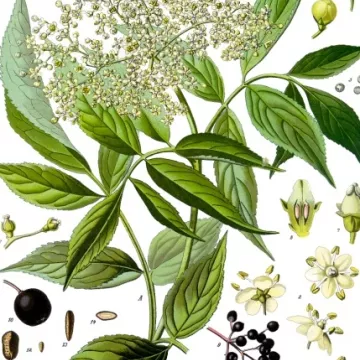
Black elderberry (Sambucus nigra) is one of the most well-documented medicinal plants for supporting the immune system during winter. Its berries are rich in anthocyanins (cyanidin-3-O-glucoside and cyanidin-3-O-sambioside), flavonoids (quercetin, kaempferol), and phenolic acids with powerful antiviral properties—several controlled clinical studies have shown a reduction of 2 to 4 days in the duration of flu-like episodes with standardized extracts. Its flowers (flower buds and dried flowers) are diaphoretic (promote sweating during febrile conditions), expectorant, and anti-inflammatory—used as an herbal tea for rhinitis, sinusitis, and early-stage flu-like symptoms. It is commonly combined withechinacea (which activates the cellular immune response)—elderberry primarily acts on the humoral antiviral response and inhibits viral replication.
The anthocyanins and lectin-like proteins in elderberries inhibit the binding of viral hemagglutinins to the surface of respiratory cells—a direct antiviral mechanism of action. In vitro studies demonstrate inhibitory activity against influenza A and B viruses as well as several strains of coronavirus. When used therapeutically, standardized extracts reduce the production of pro-inflammatory cytokines (IL-1, IL-6, TNF-α), thereby modulating the severity of symptoms (fever, muscle aches, headaches). Propolis (antimicrobial and antiviral flavonoids) is a classic synergistic combination with elderberry in throat and immune-supporting syrups—propolis covers the antibacterial spectrum, while elderberry covers the antiviral spectrum.
Elderberry is available in several forms with different concentrations and modes of action:
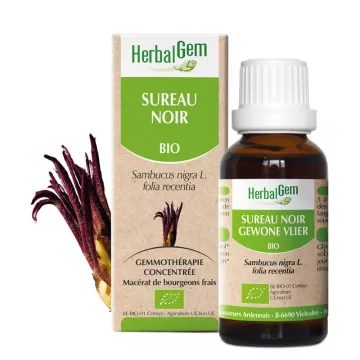
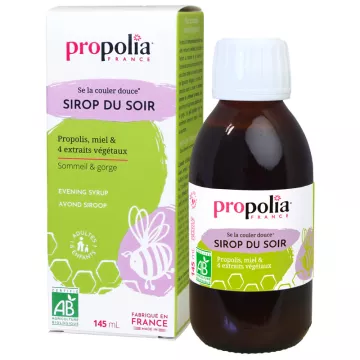
Throat syrups combining elderberry, honey, and propolis provide both local (coating the mucous membranes) and systemic effects simultaneously. Lymphatic drainage through elderberry gemmotherapy is recommended as a seasonal treatment in the spring and fall.
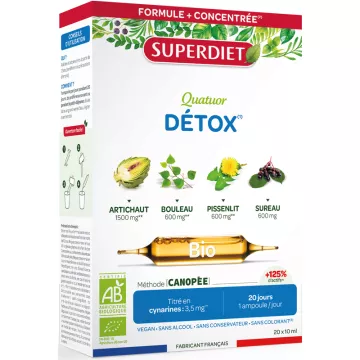
Elderberry is one of the four pillars of seasonal drainage regimens, combined with birch (diuretic, renal drainer), dandelion (cholagogue, hepatic drainer), and artichoke (hepatostimulant, choleretic). These oral regimens (20 ampoules over 20 days) simultaneously target the hepatic, renal, and lymphatic emunctory systems. Elderberry supports lymphatic drainage and the elimination of waste through its diuretic and sudorific action. These regimens are best undertaken in early spring (March–April) and early fall (September–October), provided there are no acute infections. Combining it with royal jelly (as part of a simultaneous vitality regimen) is particularly recommended after the winter months to restore energy and boost the immune system.
Raw black elderberry (fresh unripe berries, leaves, twigs, bark, and roots) contains sambunigrin, a cyanogenic glycoside that is toxic when ingested—only fully ripe, cooked berries or standardized extracts are guaranteed to be safe. Dried, hulled flowers are safe when brewed as an infusion. Standardized extracts are generally well tolerated—a few cases of mild gastrointestinal reactions have been reported at high doses. Severe sore throats (fever > 38.5°C, dysphagia, cervical lymphadenopathy) require a medical consultation before any herbal treatment—a bacterial strep A throat infection requires antibiotic therapy and not herbal therapy alone.
Elderberry fits naturally into many herbal formulas. For winter immunity: elderberry + echinacea + zinc + vitamin C form the foundation of cold-weather immune support preparations. For respiratory comfort: elderberry + thyme (mucosal antiseptic, expectorant) + pine (decongestant) + eucalyptus (expectorant). For detoxification: elderberry + birch + milk thistle + dandelion simultaneously support the liver, kidneys, and lymphatic system. In gemmotherapy, elderberry is often combined with rosemary (hepatoprotective) in formulas for digestive transit and drainage. These synergistic combinations are preferable to single-plant formulations for complex conditions requiring a multidimensional approach. The detoxification regimen combining elderberry and artichoke remains one of the most classic and best-tolerated phytotherapeutic combinations for seasonal deep cleansing.