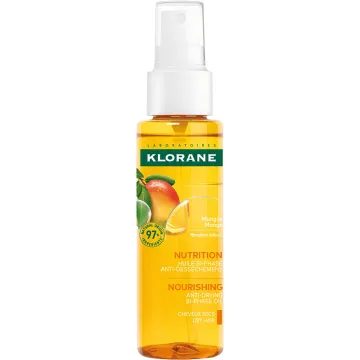
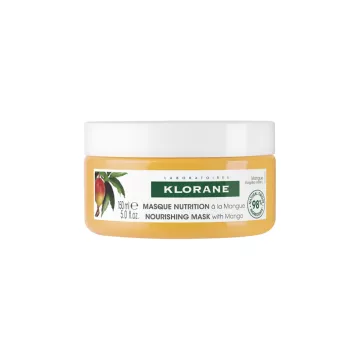
Mango butter is a vegetable fat extracted from the pit of the mango fruit (Mangifera indica). Rich in fatty acids (oleic and stearic acids), antioxidants, and vitamins A, C, and E, it has a creamy texture that melts upon contact with the skin. Lighter and less greasy than other plant-based fats, it is similar to shea butter but offers a drier feel and absorbs more quickly. Its nourishing and protective properties make it a versatile ingredient for skin and hair care, particularly beneficial for dry skin and dry hair.
For dry and mature skin, mango butter offers several nourishing uses:
Its fatty acids restore the hydrolipidic film and help maintain the skin barrier’s integrity in skin that feels tight.
Mango butter is particularly well-suited for dry, curly, frizzy, and kinky hair. For an oil treatment, apply a generous amount throughout the hair, leave it on for a few hours or overnight under a shower cap, then wash it out. As a leave-in treatment, a small amount applied to damp ends adds definition and suppleness to curls while reducing frizz and flyaways. For damaged hair, it nourishes the hair shaft and helps prevent split ends. Before using a heat styling tool, apply a thin layer to the lengths for protection. Its texture is suitable for thick to coily hair; use only a very small amount on fine hair to avoid weighing it down.
Mango butter is an excellent ingredient for repairing lips chapped by cold and wind. Applied pure or in a homemade balm, it protects and intensely nourishes the delicate lip area. For rough areas of the body (elbows, knees, heels, very dry hands), applying a generous layer to specific areas provides long-lasting comfort. It can also be used as an after-sun treatment to soothe and nourish skin that has been exposed to UV rays. Its high antioxidant content makes it an ally in protecting against external aggressors (cold, wind, pollution). For a lighter texture suitable for daily use, mix it with a lighter vegetable oil.
Pure mango butter, free of additives and controversial substances, is well-suited for baby care and for pregnant women. During pregnancy, it can be used for daily massage on areas prone to stretch marks (belly, hips, chest, thighs) to maintain skin elasticity as the body changes in size. For babies, it helps soothe delicate, dry skin when gently applied to the affected areas. As with any cosmetic product, choose pure, certified mango butter and test it on a small area before using it more extensively. For infant care, consult a healthcare professional and choose products specifically formulated for this age group.
Mango butter is a highly valued staple ingredient in homemade cosmetics. To make a light body balm, mix it in equal parts with a vegetable oil (coconut, sweet almond, shea butter) after gently melting it in a double boiler. To make a homemade lip balm, combine it with beeswax and a vegetable oil. For a nourishing hair mask, mix it with yogurt or coconut oil. Its melting point (around 30–35 °C) makes it easy to work with in formulations. Follow the correct proportions and proper storage conditions (a clean container, protected from light and heat) to ensure the stability of your homemade preparations. Use a clean spatula to prevent any contamination of the product.
Mango butter is generally very well tolerated and suitable for most skin types, including sensitive skin. A few simple precautions apply. A patch test on the inner elbow for 48 hours is recommended before first use, particularly for people with fruit allergies (the butter is derived from the pit, but caution is still advised in cases of known mango allergy). For oily or blemish-prone skin, use it sparingly, as rich, oily products may not be as suitable. It has a shelf life of 12 to 24 months when stored in a cool, dark place in an airtight container. A slight change in texture (crystallization) may occur due to temperature fluctuations without affecting the quality. Avoid direct contact with the eyes. If a skin reaction occurs, discontinue use.
Several criteria indicate a high-quality product. The labels “pure,” “unrefined,” and “cold-pressed” guarantee the preservation of heat-sensitive fatty acids and antioxidants (refined butter is whiter and odorless but lacks active ingredients). The Bio AB or Ecocert label ensures the absence of pesticide residues.The absence of additives and preservatives is essential for optimal cosmetic use.The origin (India, Southeast Asia, Africa) and the extraction method must be specified. High-quality mango butter has an off-white to light beige color and a subtle scent. Packaging in an opaque, airtight jar preserves the product’s stability. For caring for kinky and curly hair, choose pure, unblended butter for maximum effectiveness.