How do you choose the best products for curly hair?
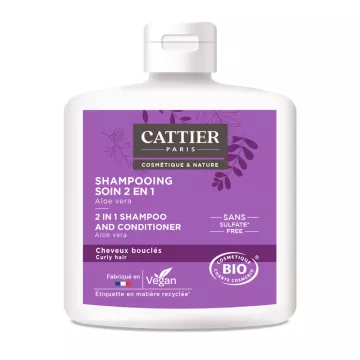
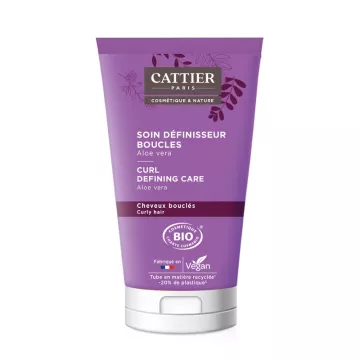
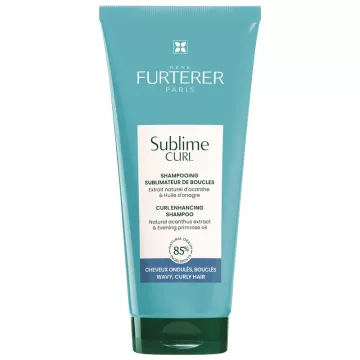
To choose the right products for your curly hair, look for moisturizing ingredients like shea butter, coconut oil, and aloe vera. Avoid sulfates and drying alcohols that can damage the natural structure of your curls. Opt for products specifically formulated for curly hair, which help define curls while keeping them hydrated and frizz-free.
What are the best washing techniques for curly hair?
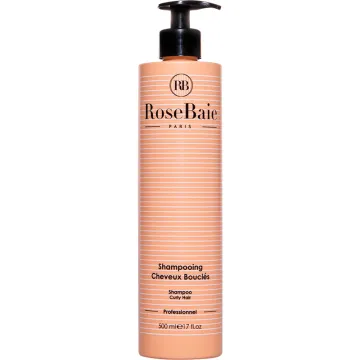
When washing curly hair, it’s best to use a gentle method to preserve its natural moisture. Use a sulfate-free shampoo, applying it only to the scalp, and rinse it out with lukewarm water to avoid drying out your curls. After shampooing, apply a rich conditioner and gently detangle with your fingers or a wide-tooth comb.
What are the best tips for drying curly hair?
To dry curly hair without damaging it, avoid a traditional hair dryer and opt for a diffuser, which distributes heat evenly and reduces frizz. Another technique is to let your hair air-dry or use a microfiber towel to gently blot away excess water—without rubbing—to maintain the definition of your curls.
How do you style and maintain the definition of curly hair?
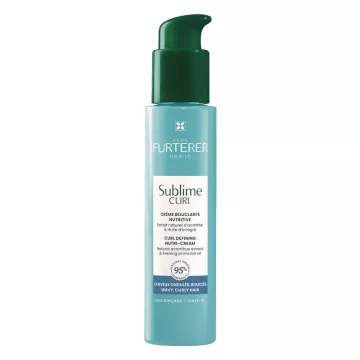
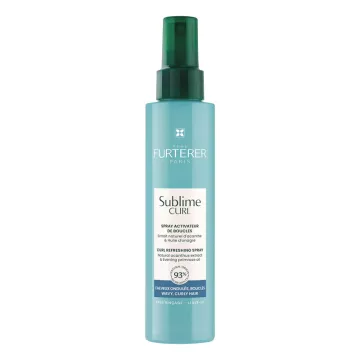
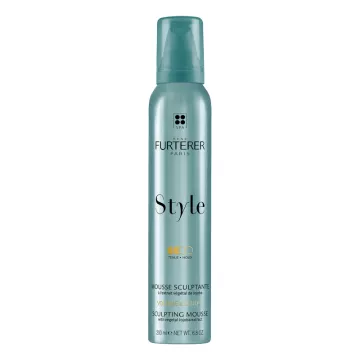
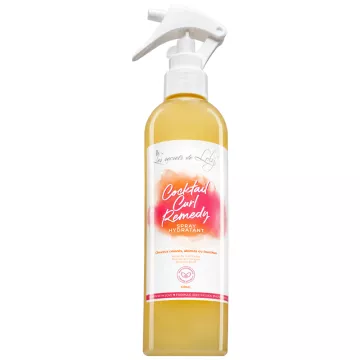
To style curly hair, use defining creams or lightweight gels that don’t make the curls stiff. Apply the product to damp hair and gently scrunch it to encourage curl formation. Avoid touching your hair while it’s drying to minimize frizz. You can also use refreshing sprays to revive your curls the next day.
What are some common mistakes to avoid with curly hair?
Common mistakes include excessive heat styling, which can damage and dry out curls; dry brushing, which can cause breakage and frizz; and failing to use heat protectants when using heated styling tools. It’s also crucial not to neglect regular trims to remove split ends and maintain hair health.
How can you address specific issues with curly hair, such as dryness or an irritated scalp?
To treat dryness, boost hydration with weekly masks rich in natural oils and butters. If you have an irritated scalp, use soothing treatments made with tea tree or peppermint, which can calm inflammation and reduce itching. Make sure the products are applied properly to avoid residue that could aggravate the irritation.
How do you create protective hairstyles for curly hair?
Protective hairstyles, such as braids, buns, and twists, can help protect curly hair from external damage and breakage. Make sure not to tie them too tightly to avoid putting tension on the roots. Use soft, metal-free hair accessories to minimize the risk of damage.
How important is the frequency of trims for curly hair?
How often you get a haircut is crucial for maintaining the health of curly hair. A regular trim, generally every 3 to 4 months, is recommended to prevent split ends and promote healthy growth. This also helps maintain the shape and volume of the curls, making the hair easier to style and care for.
How can you effectively combat shrinkage in curly hair?
Shrinkage is a common phenomenon among people with very curly hair, where the hair appears shorter than it actually is. To minimize this shrinkage, use stretching techniques like twists or braids while drying. Also, use products that define curls without weighing them down, allowing for natural elongation while preserving the curls’ bounce.
What are the best hydrating hair masks for curly hair?
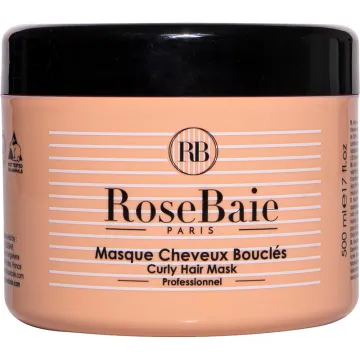
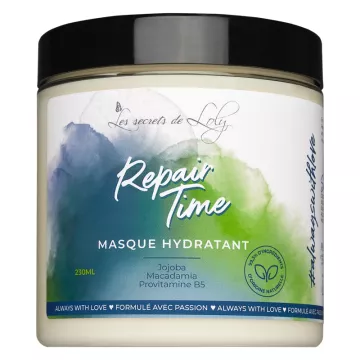
Hydrating masks are essential for nourishing and revitalizing curly hair. Choose masks containing ingredients like avocado oil, honey, or glycerin, which attract and retain moisture. Applying a rich mask once a week can deeply hydrate your curls, reduce frizz, and make your hair more manageable.