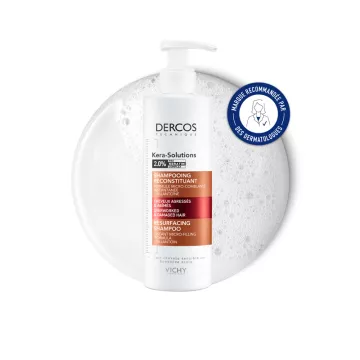
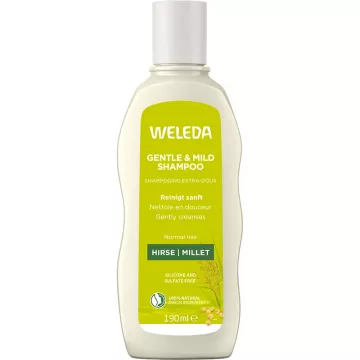
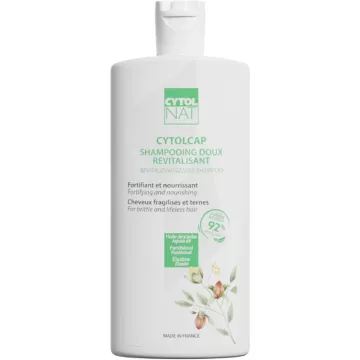
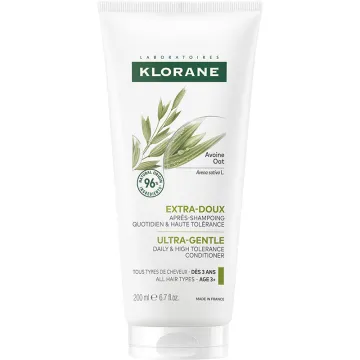
Delicate hair is characterized by increased fragility and a tendency to break easily. It may be naturally fine—and therefore delicate by nature—or it may become delicate as a result of chemical treatments (coloring, straightening) or harsh styling practices. To identify delicate hair, observe how it behaves: does it break when brushed, does it lack elasticity, and do you notice strands that break easily? This delicacy is very similar to the condition of fragile hair and calls for the same approach to care: gentleness above all else. Recognizing this fragility allows you to adapt your hair care routine to minimize breakage and preserve your hair’s health, rather than worsening the condition with inappropriate techniques or products.
Delicate hair results from a combination of factors:
These factors, especially when combined, wear down the protective cuticle and make the hair brittle. Reducing chemical and heat damage is the first step toward minimizing fragility and restoring strength to the hair shaft.
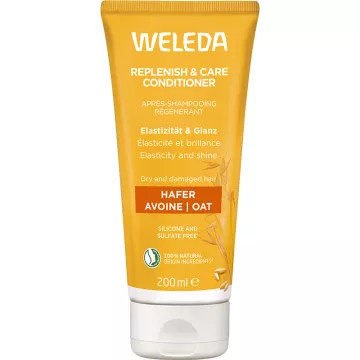
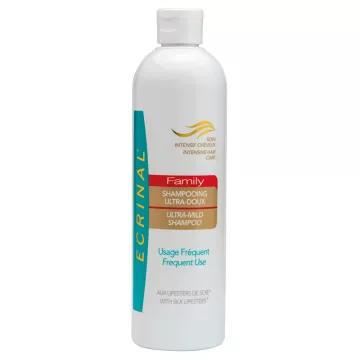
Delicate hair requires a gentle, nourishing routine. Choose shampoos and conditioners formulated for fragile hair, such as a gentle shampoo free of harsh sulfates. Minimize heat: let your hair air-dry as much as possible, and set heat styling tools to the lowest setting while using a heat protectant. Also pay attention to your diet and hydration: getting enough protein, vitamins (A, C, E), and minerals (iron, zinc), and drinking enough water, supports the hair from the inside out. When brushing, use a soft-bristled brush, start at the ends and gently work your way up toward the roots, and avoid brushing wet hair, which is more vulnerable. Every action counts: with delicate hair, consistent gentleness makes the difference between a hair strand that gradually strengthens and one that continues to break.
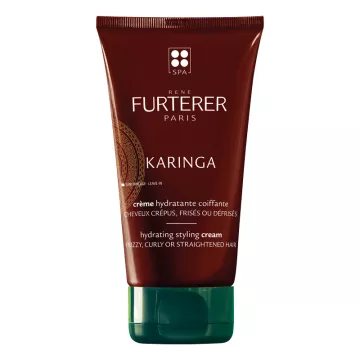
Several targeted treatments improve the resilience of delicate hair. Nourishing masks, plant-based oils such asargan orcoconut oil, and fortifying serums coat the hair shaft and improve its apparent elasticity and resilience. A helpful note: these treatments improve the hair’s appearance and behavior on the surface, without “rebuilding” structurally damaged hair. It’s a good ideato alternate between protein treatments (which strengthen) and moisturizing treatments (which soften), as too much protein can make hair stiff and brittle. It’s the balance between strength and suppleness that truly makes the hair shaft more resilient. When used regularly, these treatments, combined with a gentle routine, significantly improve the comfort and manageability of delicate hair. For damaged ends, regular trims remain an essential part of the routine, as no treatment can repair a hair shaft that is already split.
The pH of products directly affects the delicacy of the hair. A pH that is too high (alkaline) opens the cuticles and makes the hair shaft more vulnerable to breakage. Look for products with a balanced pH of around 5.5 (close to the hair’s natural pH), which helps close the cuticles and strengthen the hair shaft. Furthermore, a sensitive scalp can worsen the condition of delicate hair. Signs of a sensitive scalp—such as itching, redness, tingling, or a burning sensation—indicate a reaction to certain products or environments. In this case, opt for gentle products free of sulfates, alcohols, and irritating fragrances to soothe and protect the scalp, which is the foundation of healthy hair. Caring for the scalp is just as essential as caring for the hair strands: delicate hair growing from an unbalanced scalp will have a harder time becoming stronger. Choosing products that respect the scalp’s pH balance and sensitivity is therefore crucial.
Delicate hair requires seasonal adjustments. In summer, protect it from the sun by wearing a hat and using products with UV filters, and rinse with fresh water after swimming in a pool or the ocean to remove drying chlorine and salt. In winter, cold, dry air combined with indoor heating weakens and dries out the hair shaft: increase hydration with richer hair masks and limit exposure to the cold. Adapting your routine to weather conditions helps prevent the additional damage specific to each season. This seasonal care, though often overlooked, makes a real difference for delicate hair, which is particularly sensitive to environmental changes. Anticipating your hair’s needs based on the time of year—more protection in the summer, more nourishment in the winter—helps keep the hair in good condition year-round and prevents the spikes in breakage often seen during seasonal transitions.
Diet supports the quality of delicate hair. Prioritize a diet rich in protein (a basic building block of hair), vitamins A, C, and E, and minerals such as iron and zinc —zinc helps maintain normal hair, while iron helps reduce fatigue (since iron deficiency is a common cause of brittleness). Omega-3 fatty acids, found in fatty fish and flaxseeds, support scalp health and hair quality. Staying well-hydrated every day also helps maintain hair elasticity. A balanced and varied diet generally meets these needs; supplements are only warranted in cases of proven deficiency, ideally confirmed by a medical evaluation. If hair fragility is accompanied by significant or unusual hair loss, a medical consultation can rule out any underlying causes (such as a deficiency or hormonal imbalance) that no cosmetic treatment can address.