Brittle hair is characterized by its tendency to break easily and its often dull appearance. Several signs indicate brittle hair: split ends, coarse texture, lack of elasticity (the hair snaps cleanly instead of stretching), and the presence of small broken strands of varying lengths. A brittle hair strand has lost some of its strength, usually because its protective cuticle is damaged and its inner cortex is exposed. These signs indicate that the hair needs targeted care to restore its health and minimize breakage. Fragility can affect all hair types and is often associated with damaged hair. Identifying this fragility early allows you to adjust your hair care routine before breakage worsens.
Hair fragility results from a combination of factors:
These factors, especially when combined, wear down the cuticle and permanently weaken the hair. Identifying and reducing these contributing factors is the first step before attempting to strengthen the hair shaft.
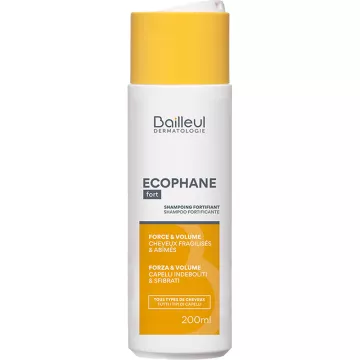
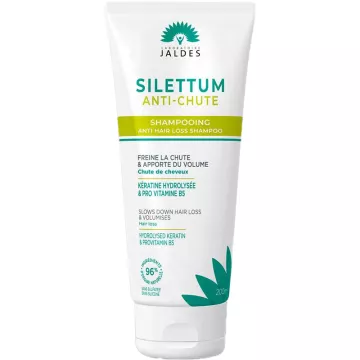
Fragile hair requires a gentle, strengthening routine. Use shampoos and conditioners enriched with proteins and plant-based oils, which nourish and coat the hair shaft to improve its strength. Minimize the use of heat styling tools as much as possible, and when they are essential, always apply a heat protectant. Opt for air-drying whenever possible. When detangling and styling, use brushes with soft bristles or a wide-tooth comb, and proceed gently to avoid pulling on the hair shaft or causing further breakage. Spacing out washes with a mild shampoo also helps preserve the hair shaft. Gentleness is key: any rough handling of already fragile hair worsens breakage, while a gentle, consistent routine gives the hair shaft time to regain its suppleness and strength.
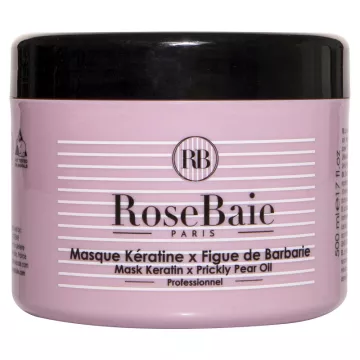
Several targeted treatments help improve the appearance and strength of fragile hair. Masks containing keratin, biotin, or proteins coat the hair shaft and improve its apparent strength, reducing breakage. Plant-based oils such asargan orcoconut oil nourish and soften the hair shaft, making it less prone to breakage. An important note: These treatments improve the hair’s appearance and behavior, but they do not actually “rebuild” structurally damaged hair, since hair is a dead tissue. It’s also advisableto alternate between protein treatments (strengthening) and moisturizing treatments (softness), as an excess of protein can make hair stiff and, paradoxically, more prone to breakage. It’s the balance between strength and hydration that truly makes the hair shaft more resilient. For split ends, a trim remains essential as a complementary step.
Ingredients to avoid: harsh sulfates, which dry out and further weaken the hair; short-chain alcohols, which dehydrate; and silicones, which should be used with caution because they build up and can prevent moisture from penetrating, masking the hair’s true condition. Opt for gentle formulas with short, natural ingredient lists. Water temperature also plays a role: washing withlukewarm water is ideal for fragile hair. Water that is too hot dehydrates the hair shaft and scalp and opens the cuticle excessively, while a final rinse with cold water helps close it, sealing in moisture and enhancing shine. Lukewarm water cleans effectively while preserving natural moisture. These simple adjustments—the right ingredients, the right temperature—minimize daily damage and, over time, help make your hair less brittle.
Plant-based oils are excellent allies for fragile hair.Argan oil, jojoba oil, and castor oil (known for coating and strengthening the hair shaft) nourish and improve the strength of the hair strands. Apply them to the lengths and ends, on damp or dry hair, avoiding the roots so as not to weigh down or grease the scalp—an important consideration for those with roots that tend to be oily. Leave on for a few hours, or overnight as an oil treatment, for deep nourishment before shampooing. A small amount is enough: using too much will weigh the hair down without providing any additional benefit. Used regularly, as a pre-shampoo treatment or as a finishing touch on the ends, these oils soften the hair shaft, reduce breakage, and restore suppleness to weakened hair, as part of a consistent nourishing care routine.
Prevention is the best strategy. When it comes to diet, prioritize a balanced diet rich in vitamin E, iron, and zinc—all essential for hair health. Zinc helps maintain healthy hair, while iron helps reduce fatigue (since iron deficiency is a common cause of hair fragility). Avoid rough handling (aggressive brushing, very tight hairstyles that stress and break the hair shaft) and moisturize regularly, especially in dry environments or when using heat-styling tools frequently. Trimming the ends every 6 to 8 weeks removes the most damaged sections. Finally, stress—which can exacerbate hair loss and brittleness—can be managed through relaxation techniques, adequate sleep, and a healthy lifestyle. If hair fragility is accompanied by significant hair loss, consulting a doctor can help rule out any underlying causes. Consistently following these healthy habits will strengthen your hair over the long term.