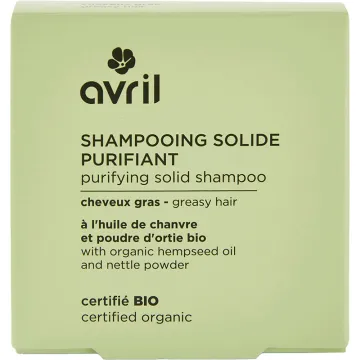
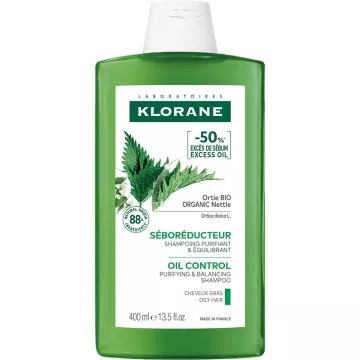
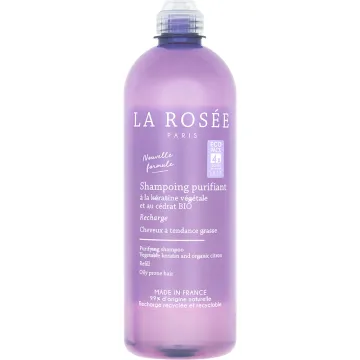
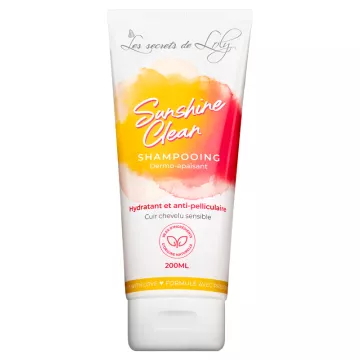
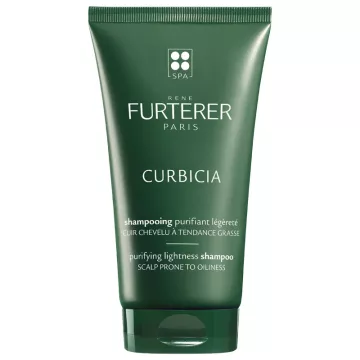
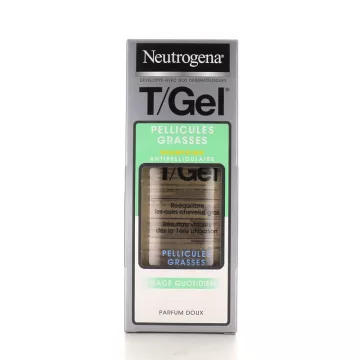
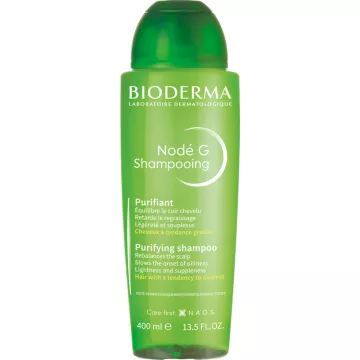
Oily hair results from excessive sebum production by the sebaceous glands on the scalp. This sebum, which is naturally protective, becomes a problem when produced in excessive amounts: the roots look shiny and become oily again quickly after washing. Several factors contribute to this overproduction: hormonal imbalances (puberty, pregnancy), a diet high in fats and sugars, stress, and, above all, improper hair care. A common pitfall: washing too often or too harshly, which strips the scalp and causes it to react by producing even more sebum—a true vicious cycle. Understanding this mechanism is the key to breaking the cycle. Rather than fighting sebum head-on, a gentle hair care routine aims to regulate without overstimulating and to respect the scalp’s natural balance.
To reduce the greasy appearance, here are a few key principles:
The goal isn’t to eliminate all the sebum, but to regulate it. A gentle shampoo that cleanses without stripping the hair is, paradoxically, more effective than a harsh product.
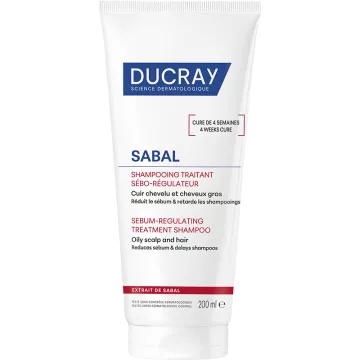
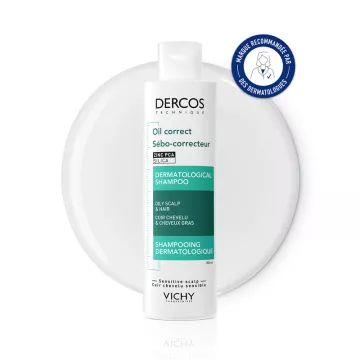
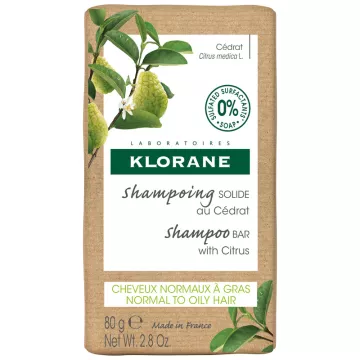
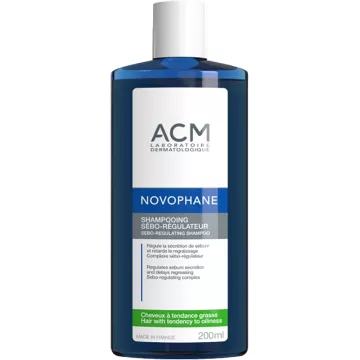
The best products for oily hair contain gentle purifying and regulating ingredients—such as clay, zinc, or sulfur—which help absorb excess sebum and balance the scalp. Look for formulas that cleanse deeply without stripping the hair, are lightweight, and leave no residue, so as not to stimulate the sebaceous glands. As for home remedies, a diluted apple cider vinegar rinse helps rebalance the scalp’s pH and remove buildup that weighs hair down. A green clay mask applied to the scalp once a week absorbs excess sebum and gently purifies. Diluted tea tree oil helps soothe an oily scalp. These natural solutions, used in moderation, effectively complement a tailored routine. The key is gentleness: a scalp that’s been over-stressed reacts by overproducing sebum, which is the opposite of the desired effect.
The question of how often to wash is central to caring for oily hair—and is often handled incorrectly. The instinctive reaction—washing every day to remove oil—is generally counterproductive: daily, harsh washing stimulates the sebaceous glands, which produce more sebum to compensate, thereby perpetuating the problem. It’s generally recommended to wash every other day, using a gentle, specialized shampoo that balances without stripping the hair. The ideal is to find a frequency that keeps your hair clean without triggering a rebound effect. To space out washes, dry shampoo can be a temporary solution between washes by absorbing sebum at the roots. Patience and consistency are essential: rebalancing an oily scalp takes time, and switching to a gentler routine may require a short adjustment period before sebum production stabilizes long-term.
Nutrition influences sebum production. Eating foods rich in B vitamins, zinc, and omega-3s can help maintain scalp balance, as zinc contributes to maintaining normal hair. Conversely, limit foods that are too sugary or fatty, as they can exacerbate excess sebum. Hormonal changes play a major role: puberty, pregnancy, or endocrine disorders often increase sebum production. When excess sebum is severe, sudden, or resistant to treatment, and appears to be linked to a hormonal imbalance, it may be helpful to consult a dermatologist or endocrinologist. These situations require medical advice rather than simply using cosmetics. A healthy lifestyle—including a balanced diet, stress management, and adequate sleep—also helps minimize imbalances and maintain a healthier scalp.
Brushing oily hair requires a gentle touch. Brushing too frequently or too vigorously stimulates the sebaceous glands and spreads sebum along the entire length of the hair, accentuating the oily appearance. Using a natural-bristle brush and brushing gently, without overdoing it, helps distribute sebum without overstimulating the scalp. When it comes to styling, avoid heavy products (gels, waxes) that weigh the hair down and make the problem worse. Opt for loose, airy hairstyles—low ponytails, casual buns—which limit contact between the hair lengths and the oily scalp and promote airflow. Also avoid touching your hair too much throughout the day, as your hands can transfer impurities and stimulate sebum production. These simple steps, combined with a tailored routine, make a real difference in the freshness and manageability of oily hair, and help naturally space out washes.
Preventing rapid oiliness requires a consistent and regular routine. Always use products designed for oily hair, wash at a frequency that doesn’t stimulate overproduction, and resist the temptation to wash daily with harsh shampoos. Adopting a balanced diet, rich in vitamins and minerals and low in fried and fatty foods, supports this balance from the inside. Limit stress—a known aggravating factor—and avoid heavy styling products. Patience is key: an oily scalp won’t return to balance in just a few days, but a gentle, consistent routine will eventually naturally extend the time between washes. Note that excess sebum can sometimes be accompanied by oily dandruff: in this case, a targeted scalp treatment complements the routine. Consistency remains the best strategy for hair that stays fresher for longer.