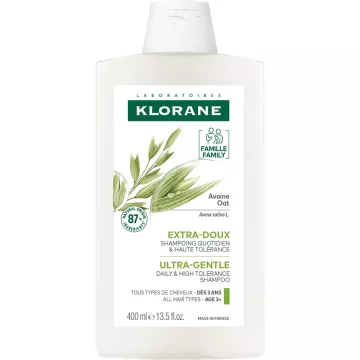
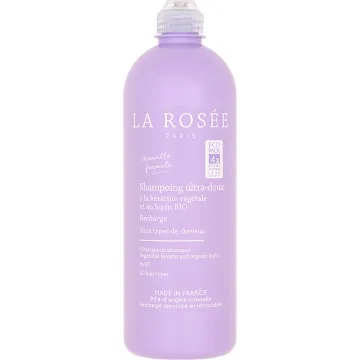
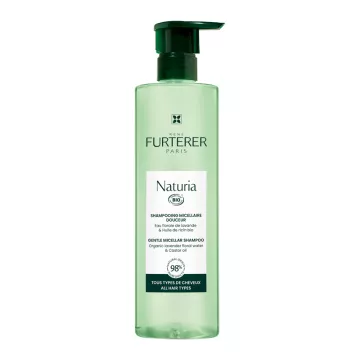
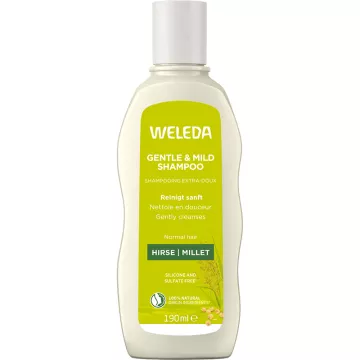
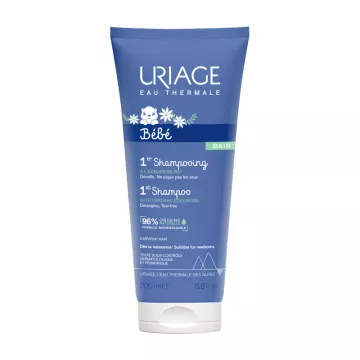
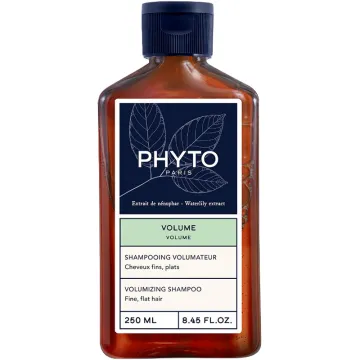
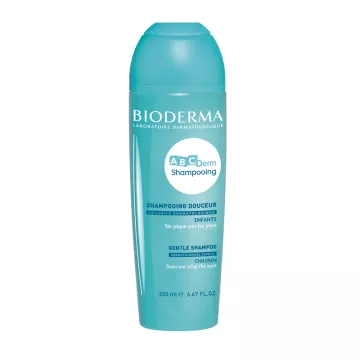
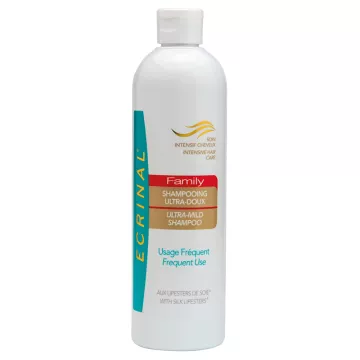
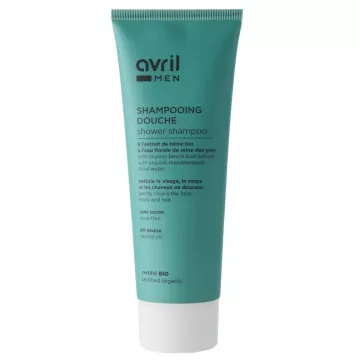
A gentle shampoo is a hair care product designed to cleanse the hair and scalp without causing irritation. What defines it above all is its formulation: it uses milder cleansing agents and contains fewer irritants than conventional shampoos. This gentle formulation makes it ideal for frequent use, as it preserves the scalp’s natural balance and sebum production. It is particularly suitable for sensitive scalps. To learn about all its uses and daily benefits, visit the page dedicated to gentle shampoo, which details the complete routine. Here, the focus is on what’s inside the formula.
The key difference lies in the ingredients. A traditional shampoo often relies on sulfates—powerful foaming agents that can be drying—which may dry out the hair and irritate the scalp with repeated use. Gentle shampoo, on the other hand, uses milder surfactants that cleanse while preserving the hydrolipidic film. It may produce less lather, but this doesn’t mean it’s any less effective: the amount of lather isn’t an indicator of cleanliness. This approach helps prevent the sebum rebound effect—that vicious cycle where a stripped scalp produces even more oil. The result is hair that retains its moisture, remains soft and shiny, and a soothed scalp. This is what makes gentle shampoo similar to natural shampoos.
The heart of a gentle shampoo lies in its mild surfactants. Common ingredients include:
These ingredients often appear at the top of the INCI list in good organic and gentle shampoos, a sign of a gentle formulation.
To ensure a shampoo is truly gentle, there are certain ingredients to watch out for. Harsh sulfates (Sodium Lauryl Sulfate, Sodium Laureth Sulfate) are aggressive foaming agents that can dry out the hair shaft and irritate the scalp. Silicones provide immediate shine but create a buildup of residue that weighs down the hair and can mask its true condition. Synthetic fragrances and dyes can sometimes cause irritation on sensitive skin. Reading the INCI list helps identify these ingredients: the shorter and more straightforward the list, the better. A truly gentle shampoo therefore combines mild surfactants with the absence of harsh ingredients—beyond mere marketing claims on the packaging.
Applying a gentle shampoo is simple: thoroughly wet your hair with lukewarm water, apply a small amount of product to the scalp, gently massage with your fingertips to create a lather without rubbing vigorously, then rinse thoroughly. Repeat if necessary on very dirty hair. Thanks to its gentle formula, this shampoo can be used daily without causing dryness or irritation, making it ideal for people who wash their hair frequently. For oily hair, this gentle, regular cleansing is better than occasional harsh washing. It generally has a shelf life of 12 to 24 months after opening: storing it away from light and heat helps preserve its qualities.
Yes, this gentle shampoo is particularly recommended for chemically treated hair—such as colored, straightened, or permed hair. Its sulfate-free formula helps preserve the integrity of the hair fiber and makes treatments last longer, while preventing dryness and further damage. On colored hair, it minimizes color fading, which harsh shampoos tend to accelerate. On hair damaged by chemical treatments, it cleanses without further weakening the strands. It is therefore a sensible choice for maintaining a color treatment or straightening treatment. To optimize results, pair it with a suitable nourishing treatment and space out new chemical treatments as much as possible, since these remain the main cause of hair fiber weakening.
Mild shampoo is often recommended for children because of its gentle formula: it gently cleanses without irritating their sensitive skin, and “tear-free” formulas prevent stinging in the eyes. For very young children, a specific baby shampoo is still preferable. As for dandruff, some gentle formulations include active ingredients such as zinc pyrithione or salicylic acid to promote scalp comfort while remaining gentle. These treatments are purely cosmetic: for persistent dandruff or a chronically irritated scalp, a dermatologist’s consultation can help identify the cause and guide you toward appropriate treatment. When chosen carefully, a gentle shampoo is suitable for the whole family and most scalp types.
Several signs indicate that a gentle shampoo would be beneficial. Itching or irritation of the scalp after washing suggests that the formula is too harsh. Excessive dryness or hair that appears damaged after shampooing suggests that sulfates are causing dryness. A loss of shine and a coarse texture indicate weakened hair strands. If you recognize these signs, switching to a gentle shampoo can help restore your scalp’s balance over the long term and improve the appearance of your hair. From an environmental perspective, many gentle shampoos use biodegradable ingredients and recyclable packaging. The transition may take a few days to adjust to, giving your scalp time to regain its balance after you stop using harsh formulas. For a complete routine, the hair care page outlines the essential steps.