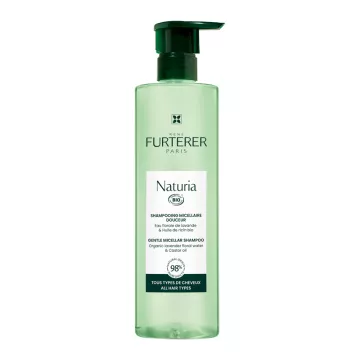
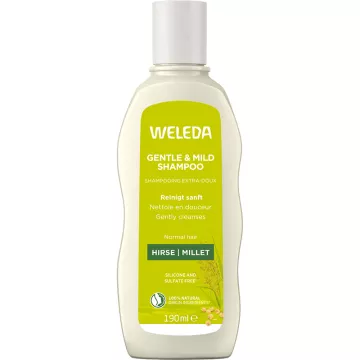
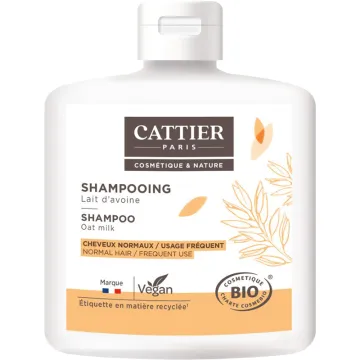
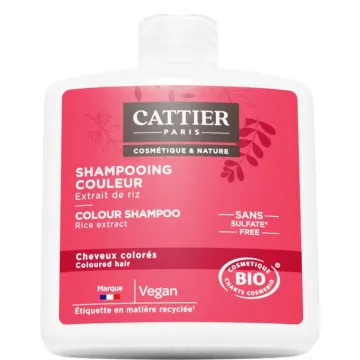
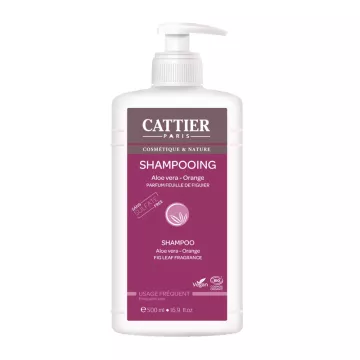
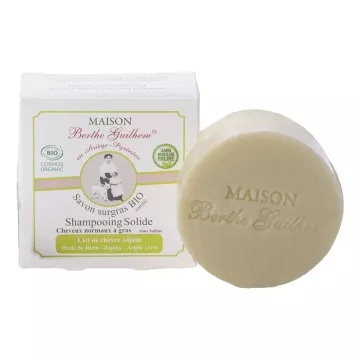
An organic shampoo is a hair care product formulated with natural and organically grown ingredients, free of controversial ingredients such as harsh sulfates, parabens, or silicones. It relies on plant extracts, vegetable oils, and mild, naturally derived surfactants to cleanse and nourish the hair. It is generally certified by independent organizations (Ecocert, Cosmebio, Cosmos Organic) that guarantee its composition and environmentally friendly manufacturing processes. Similar to natural shampoo, it differs in that its ingredients are certified organic. It fits into a hair care routine that’s gentle on the scalp and the planet.
Organic shampoo offers several benefits for your hair and the environment:
This is a particularly good choice for people looking for a gentle shampoo that’s gentle on their skin.
A good organic shampoo relies on recognized natural active ingredients.Aloe vera hydrates and soothes the scalp. Coconut oil andargan oil nourish the hair and add softness and shine. Green tea, rich in antioxidants, revitalizes. Chamomile soothes irritation and adds highlights to light-colored hair.Tea tree and rosemary are traditionally valued for their soothing effects on the scalp. For dry hair, opt for formulas containing shea butter. Check the INCI list: organic ingredients are often marked with an asterisk, and the higher an active ingredient appears on the list, the higher its concentration.
Like any shampoo, organic shampoos should be chosen based on your hair type. For dry hair, look for moisturizing formulas rich in plant-based oils and butters. For oily hair, choose light, purifying organic shampoos. For fine hair, opt for volumizing formulas that won’t weigh your hair down. For specific concerns (dandruff, thinning hair), look for targeted formulations. There are organic shampoos for all hair types: dry, oily, fine, thick, curly, and color-treated. Natural active ingredients provide benefits tailored to each need. The key is not to settle for the label “organic” alone, but to verify that the formula is truly suited to your hair type for satisfactory results.
Organic shampoos often lather less than conventional shampoos because they do not contain sulfates, which are powerful foaming agents but can be drying. This reduced lather does not diminish their effectiveness: lather is not an indicator of cleanliness, but simply a reaction of surfactants. Organic shampoos clean just as well thanks to gentle plant-based surfactants, while respecting the scalp’s hydrolipidic film. The technique may require a little adjustment: thoroughly wet the hair, lather the product in your hands, and, if necessary, give very dirty hair a second light wash. This transition to a more subtle lather is part of the learning process when switching to natural products, and the scalp often regains its balance after a few weeks.
Organic shampoos are generally well-suited for children because they do not contain harsh ingredients. For very young children, however, opt for a specifically formulated baby shampoo —since a child’s scalp is more sensitive—and check the label to ensure it is appropriate for their age. For colored hair, many organic shampoos are perfectly suitable: since they’re sulfate-free, they help prevent color fading. Look for formulas containing protective and moisturizing ingredients likeargan oil or shea butter to preserve the vibrancy of the color. Organic shampoos are generally gentle enough for regular use—even daily, depending on the formula—as long as you follow the manufacturer’s instructions and monitor your scalp’s reaction.
Some organic shampoos contain natural active ingredients that soothe scalps prone to dandruff:tea tree, peppermint, and chamomile offer soothing properties that are beneficial for relieving discomfort. For the sensation of hair loss, formulas based onplant oils, green tea, or ginseng help soothe the scalp and improve the appearance of weakened hair. These effects are purely cosmetic: a shampoo—even an organic one—does not treat the medical causes of hair loss (hormonal, nutritional, or genetic) or an established dermatological condition. For persistent dandruff or significant hair loss, medical advice is essential. Organic shampoo is part of a regimen focused on comfort and prevention.
Although formulated with natural ingredients, organic shampoos can cause allergies in some people: essential oils, in particular, are powerful active ingredients that can trigger reactions on sensitive skin. A skin test before first use is advised, especially if you have a history of allergies, and a dermatologist’s advice is recommended if in doubt. In terms of quality, opt for products certified by recognized organizations (Ecocert, Cosmebio, Cosmos Organic) that guarantee a minimum percentage of natural and organic ingredients. Carefully reading the INCI list helps ensure the absence of controversial ingredients. While organic shampoos are sometimes more expensive due to the quality of their ingredients and certifications, they represent a conscious choice for scalp health and the environment. Purchasing from reliable sources ensures the product’s authenticity.