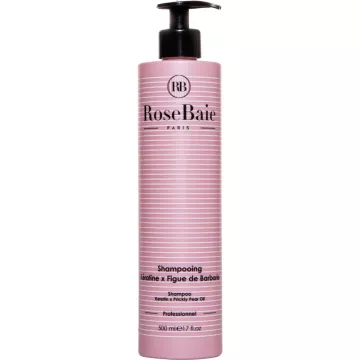
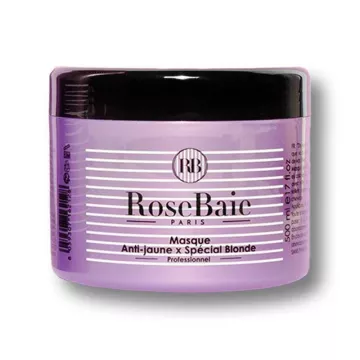
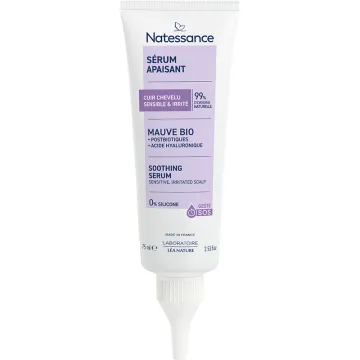
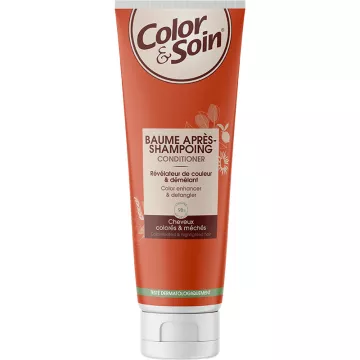
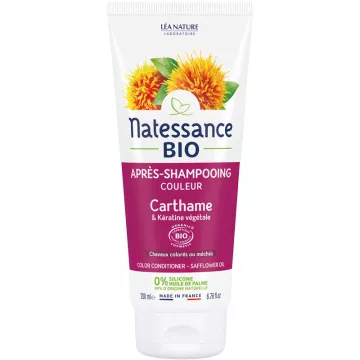
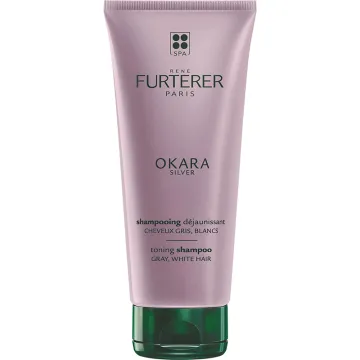
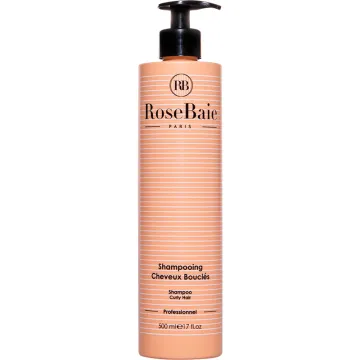
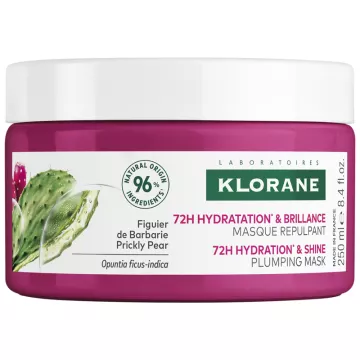
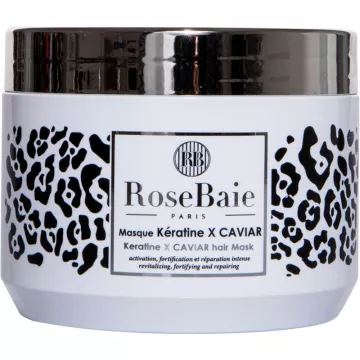
Hair care begins with accurately identifying your hair profile: hair type (fine, thick, normal), scalp condition (oily, dry, sensitive, prone to dandruff), condition of the hair shaft (healthy, colored, bleached, damaged), and natural texture (straight, wavy, curly, kinky). Each profile requires specific active ingredients and a tailored routine—a product designed for fine, oily hair can weigh down thick, dry hair. Colored or bleached hair has higher porosity and requires products that focus on preserving color and repairing damaged keratin.
Colored hair undergoes chemical oxidation that weakens its keratin structure—the cuticle becomes more porous, and the color gradually fades upon contact with air, water, and sunlight. The essential care products for colored hair are: a sulfate-free (SLS/SLES) shampoo to preserve pigments, a structuring conditioner to seal the cuticle, and a weekly keratin-restoring mask to restore the hair fiber. Hydrolyzed keratin, aloe vera (which forms a protective film and promotes healing), and prickly pear oil (rich in linoleic acid) are the key active ingredients. The violet pigments in anti-yellow shampoos neutralize the yellowish oxidation in blond and white hair through color complementarity.
White and gray hair no longer contains melanin—it is structurally more porous, often drier, and tends to turn yellow upon exposure to pollution, tobacco, UV rays, or hard water. Silver care products (shampoos and masks with blue-violet pigments) neutralize yellow tones; use them 1 to 2 times a week—excessive use can cause the hair to turn blue. Structuring treatments without pigments (keratin, prickly pear, silk proteins) should be used on other days to nourish and soften the hair without altering its color. A volumizing shampoo is often helpful to counteract the natural thinning of gray hair that occurs with age.
Curly hair has an elliptical structure that makes it naturally drier—sebum has a hard time traveling down the length of the curls. Care for it using the Curly Girl method:
Organic, sulfate-free shampoos are particularly well-suited for this hair type.
Preventing hair breakage relies on appropriate daily care routines: Detangle only on wet hair using conditioner, limit the use of heat styling tools (120–180°C maximum with heat protection), protect hair from the sun with a UV-filtering hair oil, and avoid wearing hair in styles that are too tight (risk of pulling on the hair follicle). A shampoo suited to your washing frequency and hair type, combined with a consistent use of conditioner, is the foundation of healthy hair. Androgenetic alopecia is distinct from hair loss due to hair fragility—it requires specific medical treatment and dermatological follow-up.