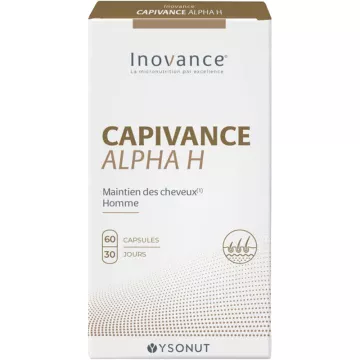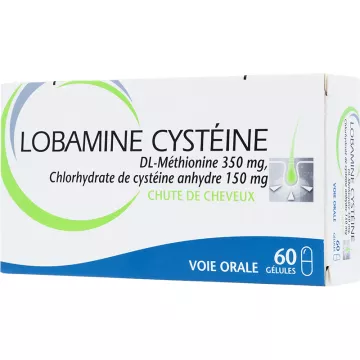
Hair loss, or androgenetic alopecia, is a progressive, hereditary condition characterized by increased sensitivity of hair follicles to DHT (dihydrotestosterone, an enzymatic derivative of testosterone). This hormone causes the gradual miniaturization of sensitive follicles: the hair becomes finer, shorter, and eventually stops growing back. It affects approximately 50% of men over the age of 50, and 20 to 40% of women, depending on age. This should be distinguished from general hair loss (telogen effluvium, postpartum hair loss, deficiency-related hair loss, stress-related hair loss), which is generally reversible. Established baldness requires specific treatment to slow its progression.
Several early signs allow for prompt intervention:
The earlier treatment begins, the better the results—a follicle that has become inactive is more difficult to reactivate.
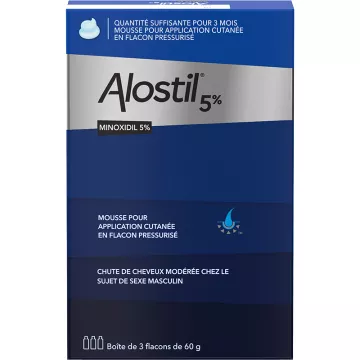
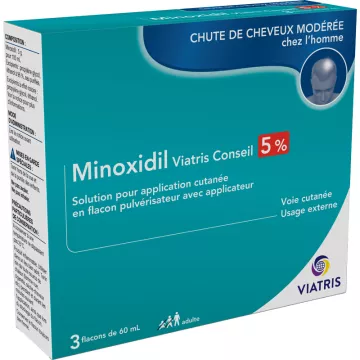
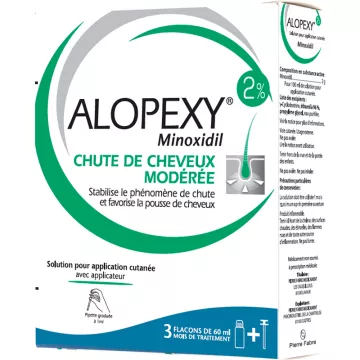
Several topical treatments are available. Minoxidil lotion or foam (2% and 5%, an over-the-counter medical device) remains the gold standard in cosmetic treatments: apply twice daily; visible results appear after 4 to 6 months; effects last as long as treatment continues. Brands: Alopexy, Alostil, Regaine, Minoxidil Biogaran. Stimulating lotions containing Procapil, Capixyl, Anagain, Serenoa repens, and caffeine offer a cosmetic alternative: Ducray Anaphase+, Klorane Quinine, Phyto Phytocyane, Cooper Anaphar. Hair loss prevention shampoos, used as a 2- to 3-month treatment course, support the main treatment (to be used 2–3 times a week). For oral medication options (finasteride, dutasteride), only a dermatologist can prescribe them after an evaluation.
Several dietary supplements support hair quality:
Brands: Forcapil, Cystiphane Biorga, Nutricap Ducray, Phytophanere, Innéov Densilogie. 3- to 6-month treatment courses, renewable.
Female pattern hair loss has its own specific characteristics. It typically presents as more diffuse hair loss (widening of the central part, loss of density above the forehead) without a marked receding hairline. Systematic investigation of associated causes: assessment for iron deficiency (ferritin), thyroid function tests (TSH, T4), hormonal profile (free testosterone, SHBG if there are signs of associated hyperandrogenism). 2% minoxidil is the standard cosmetic treatment for women. For postmenopausal women, consultation with a gynecologist is recommended. For women with polycystic ovary syndrome (PCOS), a comprehensive endocrinological evaluation is necessary. Preserve the skin barrier and scalp health through gentle, appropriate care.
For established and stable hair loss, several aesthetic options offer long-lasting solutions. Hair mesotherapy and PRP (platelet-rich plasma): injections of trophic factors, 4 to 6 sessions spaced 4–6 weeks apart, followed by maintenance. FUE (Follicular Unit Extraction) hair transplant: the current gold-standard technique, involving the harvesting and reimplantation of follicular units; final results are visible after 12–18 months. Scalp micropigmentation (hair shadow effect): a non-surgical alternative for advanced hair loss. Modern, very natural-looking hairpieces and full-head hair replacements. Haircuts tailored by an expert stylist to visually add density. Transparent cost estimates and multiple second opinions are recommended before any surgical procedure.
A healthy scalp is the foundation of thick hair. Gently massage the scalp daily (3–5 minutes) to stimulate local microcirculation. Use mild shampoos free of harsh sulfates (opt for lauryl sulfoacetate and mild surfactants). Avoid excessive heat (overly hot hair dryers, curling irons), which weakens the hair shafts and stresses the follicles. Opt for hairstyles that don’t pull on the hair (avoid tight ponytails, heavy extensions, and tightly pulled braids, which can cause traction alopecia). Stay hydrated by drinking 1.5 to 2 L of water per day, and eat a balanced diet rich in high-quality protein, omega-3s, fruits, and vegetables. Take oral supplements of zinc, iron (if deficient), and sulfur-containing amino acids. Limit tobacco use, as it impairs perifollicular microcirculation.
A consultation is recommended if: sudden or massive hair loss (significant effluvium), hair loss persisting for more than 6 months, localized bald patches (suspected alopecia areata or other cause), associated itching or inflammation of the scalp, early-onset hair loss before age 25, or failure of properly administered topical treatments over a 6-month period. A dermatologist or trichologist can perform a trichogram, a scalp dermatoscopy (trichoscopy), targeted laboratory testing, and discuss prescription medications. For women, consultation with a gynecologist or endocrinologist is recommended if there are signs of hyperandrogenism. The psychological aspect should not be overlooked—support (support groups, a specialized psychotherapist) can facilitate acceptance and the therapeutic process.