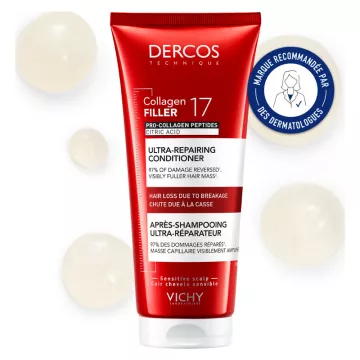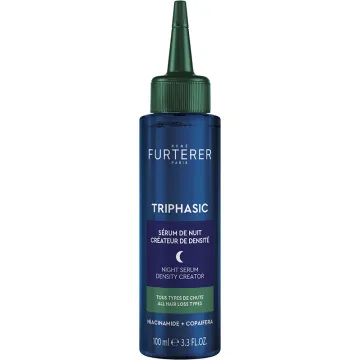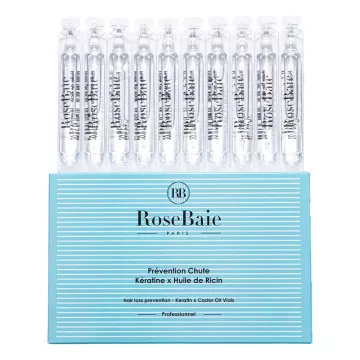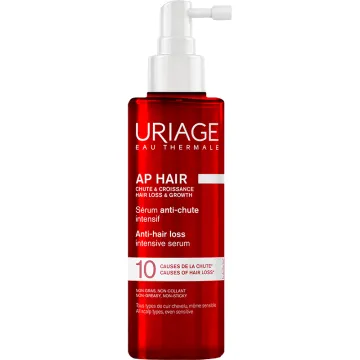
Hair loss, or alopecia, can affect men and women of all ages. It results from a variety of factors: hormonal imbalances, stress, a diet lacking in essential nutrients, genetic predisposition, certain diseases, or medical treatments such as chemotherapy. Understanding the underlying cause is key to appropriate management, as the mechanisms and solutions differ radically depending on the cause. Hair loss can be temporary (reactive) or progressive (androgenetic alopecia), localized, or diffuse. This diversity explains why there is no one-size-fits-all solution and why an accurate diagnosis is paramount to any course of action. To support weakened hair on a daily basis, appropriate hair care products can complement—but never replace—medical advice when necessary.
It is essential to distinguish between normal hair loss and pathological hair loss. Losing between 50 and 100 hairs per day is completely normal: this is the natural renewal of the hair growth cycle, with each hair going through a growth phase, a resting phase, and then a shedding phase before being replaced. However, more excessive, prolonged, or hair loss accompanied by other symptoms may warrant a consultation. Several warning signs should raise concern:
Distinguishing between temporary hair loss and progressive hair loss helps guide you toward the right course of action.
Hormones play a central role in hair health. Androgens, particularly dihydrotestosterone (DHT), are frequently implicated in hair loss. In men, follicular sensitivity to DHT can lead toandrogenetic alopecia, the most common form of baldness. In women, hormonal changes associated with menopause, the postpartum period, or certain endocrine disorders can cause diffuse thinning. These hormonal mechanisms require a medical diagnosis: only a dermatologist or endocrinologist can objectively assess them—sometimes through blood tests—and determine an appropriate course of treatment. Understanding this hormonal aspect explains why sudden or significant hair loss in women warrants special attention, as it may indicate an underlying imbalance that needs to be investigated rather than a simple hair problem.
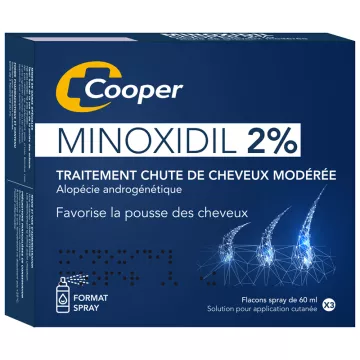
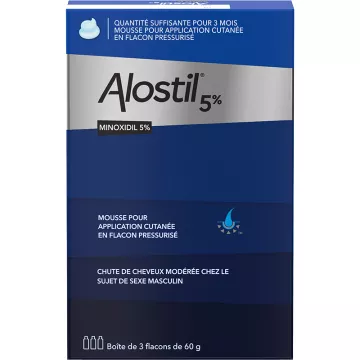
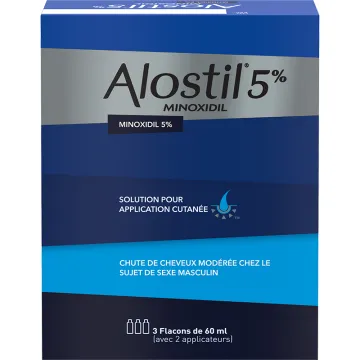
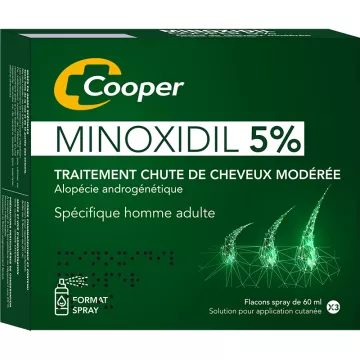
Medical treatments for hair loss are strictly within the medical domain. Minoxidil is a topical treatment used under professional guidance, in appropriate concentrations. Finasteride is a prescription-only medication that acts on hormonal mechanisms; it has major contraindications, including an absolute prohibition for use in pregnant women due to its toxicity to the fetus. For severe cases, medical procedures are available: hair transplantation, which involves transplanting follicles, or therapies such as platelet-rich plasma (PRP), performed by qualified practitioners. None of these options should be attempted without medical guidance or combined without a doctor’s advice. Only a specialist can assess their suitability, expected benefits, and risks based on the individual’s profile and the identified cause of hair loss.
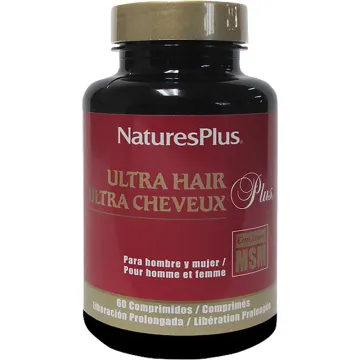
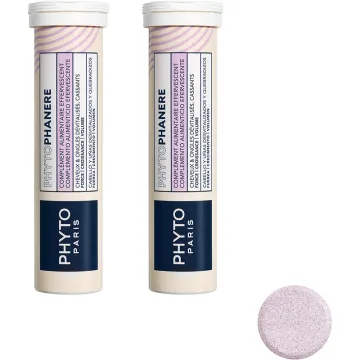
Nutritional deficiencies are among the reversible causes of hair loss. A deficiency in iron, vitamin D, protein, or omega-3 fatty acids can weaken the hair growth cycle. Several micronutrients have recognized nutritional claims: biotin, zinc, and selenium contribute to maintaining normal hair, while iron helps reduce fatigue. A balanced diet rich in vitamins, minerals, and protein remains the foundation. However, supplementation isonly beneficialafter a deficiency has been confirmed by a blood test: taking supplements without a proven deficiency offers no demonstrated benefit for hair density and may be unnecessary.
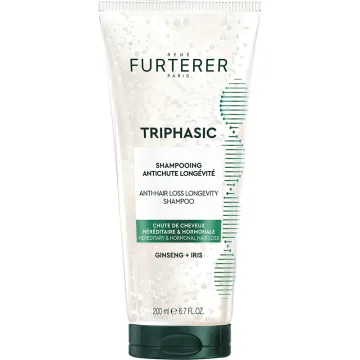
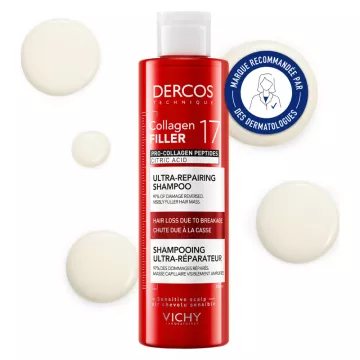
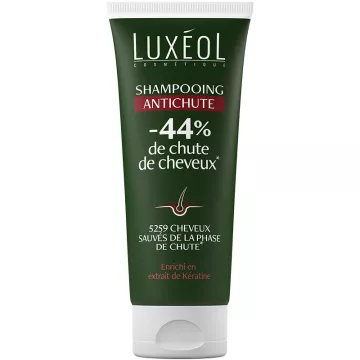
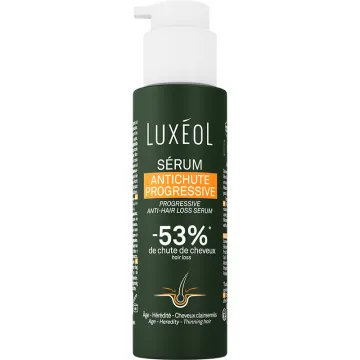
Several lifestyle habits can reduce aggravating factors. A balanced diet rich in essential nutrients supports hair vitality. Managing stress through yoga, meditation, or regular physical activity limits stress-related hair loss during periods of tension. When it comes to hair care, it’s best to avoid harsh chemical treatments, space out hair coloring, and avoid hairstyles that are too tight (braids, tight ponytails), which put tension on the hair shaft and can cause traction alopecia. These preventive measures do not guarantee that hair loss will not occur—especially when caused by genetic or hormonal factors—but they create a favorable environment. For thinning hair, a fortifying or redensifying shampoo provides additional cosmetic comfort.
The scalp is the foundation of the hair: keeping it clean, balanced, and soothed supports the hair’s health. Regular massages provide a welcome moment of relaxation and well-being. Conversely, excessive use of styling products (gels, sprays, waxes) can, over time, weigh down the hair shaft, irritate the scalp, and contribute to mechanical breakage—which should be distinguished from actual hair loss. It’s best to opt for lightweight, nourishing formulas and thoroughly rinse out any residue when washing. Traditional remedies such as castor oil or aloe vera provide welcome comfort, though their effectiveness against established hair loss has not been proven. They remain a gentle complement, never a substitute for medical treatment.
A consultation is necessary in cases of sudden hair loss, bald patches, visible diffuse thinning, or if hair loss is causing significant emotional distress. It’s better to seek help early than to wait until significant hair loss occurs: a dermatologist or trichologist can diagnose the underlying cause, distinguish between temporary hair loss and progressive alopecia, and recommend a tailored treatment plan. The psychological impact of hair loss, which is often underestimated, is a legitimate reason in its own right to seek professional help. The specialist can refer you for an evaluation, supervised medical treatment, or offer reassurance if the hair loss is a benign, temporary condition. In any case, a medical diagnosis remains the essential first step: it prevents you from wasting time trying unsuitable products and allows you to address the true cause of hair thinning.