Hair regrowth refers to the natural process by which a follicle produces a new hair after the old one has fallen out. Each follicle follows an independent three-phase cycle: the anagen phase (active growth, 2 to 7 years), the catagen phase (transition, a few weeks), and the telogen phase (rest, about 3 months) before the hair falls out and a new cycle begins. Supporting regrowth depends first and foremost on maintaining good hair health and, when hair loss is due to a specific cause, on appropriate treatment. This page discusses regrowth after hair loss; to understand the mechanisms and causes of hair loss, the dedicated page provides additional insight.
Several factors determine the speed and quality of regrowth:
The speed of regrowth is largely determined by genetics: a healthy lifestyle and appropriate care create favorable conditions without altering the natural rhythm of each person’s hair.
Yes, but it depends entirely on the cause, which is why a diagnosis is essential. Temporary hair loss (telogen effluvium) linked to stress, a deficiency, or the postpartum period is generally reversible once the triggering factor is addressed: regrowth then occurs spontaneously.Androgenetic alopecia, which has genetic and hormonal causes, requires specific medical treatment, and regrowth is neither automatic nor guaranteed. Finally, when a scar has destroyed the follicles (cicatricial alopecia), natural regrowth is no longer possible, and only a hair transplant can be considered. This diversity explains why seeking medical advice is the first step: it distinguishes between hair that will regrow on its own and hair that requires treatment, preventing you from wandering aimlessly between unsuitable products and false hopes.
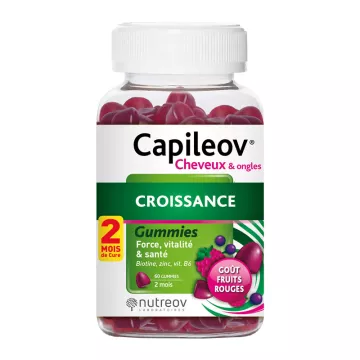
Diet provides the building blocks for hair strands. Several foods are particularly beneficial: fatty fish (salmon, mackerel), rich in omega-3; eggs, a source of biotin and protein; spinach, rich in iron and vitamins A and C; nuts and seeds, for their essential fatty acids; and avocados, which provide vitamin E. Several micronutrients support hair health according to recognized claims: biotin and zinc help maintain normal hair. A balanced diet supports hair health and improves texture and shine, without artificially accelerating the rate of growth.
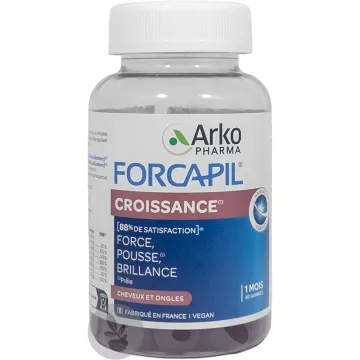
Hair regrowth treatments fall under strict medical guidelines. Minoxidil is a topical treatment used under professional guidance. Finasteride is a prescription-only medication that acts on hormonal mechanisms; it has major contraindications, including an absolute prohibition for use by pregnant women due to its toxicity to the fetus. Platelet-rich plasma (PRP), low-level lasers, and hair transplants are other options performed or supervised by medical professionals. Supplements may be used to address proven deficiencies and complement the treatment plan. None of these treatments should be attempted without medical supervision or combined without a doctor’s advice: only a dermatologist can assess their appropriateness, expected benefits, and risks based on the identified cause of hair loss.
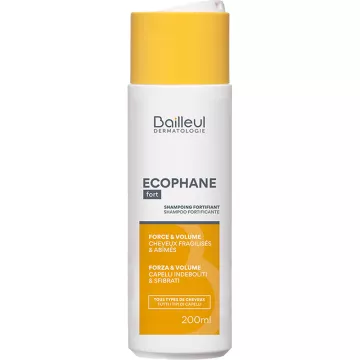
These approaches provide comfort and should be used as a supplement to—not a replacement for—medical treatment. Scalp massage, performed for a few minutes a day with a plant-based oil (castor, coconut, argan), promotes relaxation and well-being and helps maintain scalp comfort. A fortifying shampoo containing keratin, caffeine, or biotin improves the appearance of fragile hair, though it is not sufficient on its own. As for traditional remedies, aloe vera soothes, green tea is rich in antioxidants, and onion and rosemary are popular choices. However, their effectiveness in promoting regrowth has not been scientifically proven: they remain gentle complementary treatments to be used as part of a comprehensive approach and in consultation with a healthcare professional when hair loss warrants it.
The average growth rate is about 1 cm per month, or about a dozen centimeters per year, but it varies depending on age, overall health, and lifestyle. This natural slowness requires patience: after hair loss, or during a regrowth process, the first visible results generally appear only after 3 to 6 months, or even longer. It is therefore pointless to expect immediate results or to use multiple products in the hope of speeding up the process. Consistency is key, as is professional monitoring for medical conditions. Assessing the true effectiveness of an approach requires looking back over several months. Preserving existing hair, caring for the scalp, and addressing any nutritional deficiencies remain the most effective ways to support healthy, long-term hair regrowth.
Significant, sudden, or persistent hair loss, or the appearance of bald patches, warrants a consultation with a dermatologist or trichologist. The professional will be able to identify the cause, distinguish between reversible hair loss and progressive alopecia, and recommend appropriate treatment. This is all the more important because regrowth depends on the underlying cause: addressing it is key. In the meantime, adopting a gentle hair care routine, avoiding harsh chemical treatments and hairstyles that pull on the hair, managing stress, and maintaining a balanced diet are all good habits to cultivate. Key takeaway: Hair regrowth is a slow process largely determined by genetics, which can be supported by a healthy lifestyle and, if necessary, supervised medical treatment—never by promises of miracles.