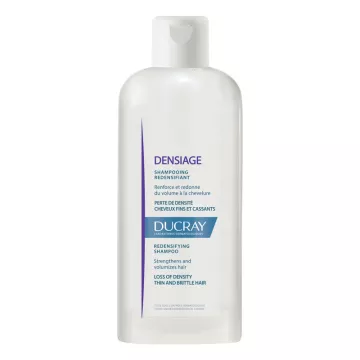
Fine hair is characterized by a small diameter of each strand, a trait that is primarily genetic. However, other factors can accentuate the fineness or reduce density: an unbalanced diet, stress, hormonal imbalances, or harsh hair treatments. It’s important to distinguish between hair fineness (hair diameter, which is often genetic) and density (the number of hairs). Understanding the cause helps you choose the right approach: while you cannot change a hair’s genetically determined diameter, you can maximize its apparent volume, maintain density, and prevent further thinning. Fine hair, which is more delicate and tends to look weighed down easily, requires a specific hair care routine focused on lightness and volume.
For fine hair, the key is lightness:
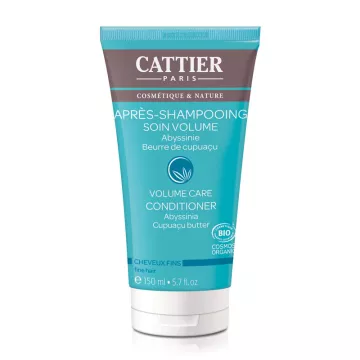
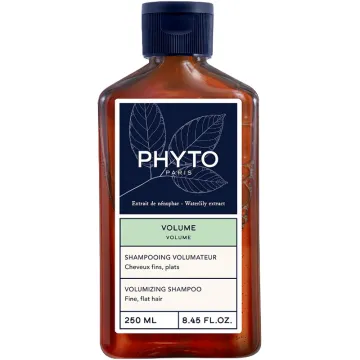
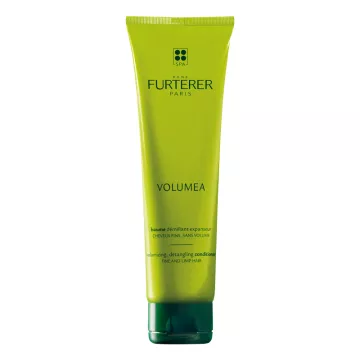
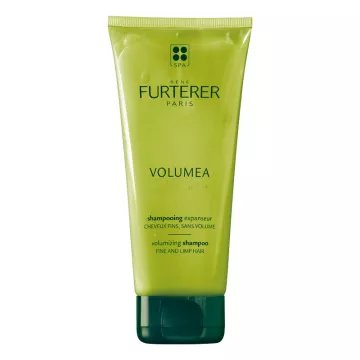
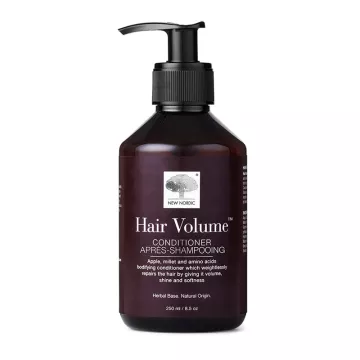
Avoid rich formulas, silicones, and heavy products that weigh hair down and accentuate a flat appearance. A gentle, suitable shampoo preserves natural volume while being gentle on fine, delicate hair.
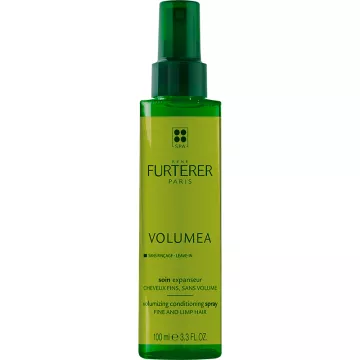
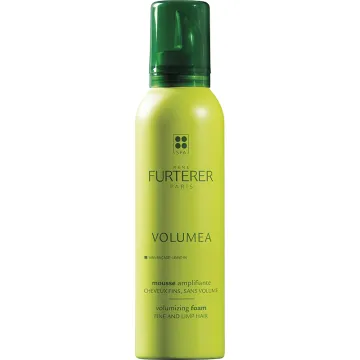
Several styling techniques createthe illusion of volume, a valuable asset for fine hair. When blow-drying, use a round brush to lift the roots, or dry your hair upside down. Apply a volumizing mousse or spray to the roots while your hair is still damp. Lightly backcombing certain sections can also add body for a special occasion. When it comes to products, opt for texturizing sprays and volumizing powders, which add volume without sticking or weighing hair down—unlike heavy waxes and gels. Finally, the haircut is key: layered or tapered cuts create an effect of density and movement, and a hairstylist will know how to tailor the cut to your hair type. When combined, these tips can visually transform fine hair into a fuller-looking mane without altering its natural texture—simply by optimizing its volume and hold for everyday wear.
Fine hair, being more delicate, is particularly vulnerable to breakage. To protect it, limit the use of heat styling tools (curling irons, high-temperature hair dryers), opt for low heat settings, and always apply a heat protectant. Avoid hairstyles that are too tight (tight ponytails, harsh elastic bands), which put tension on the hair and break the fine strands. Handle your hair gently: detangle it gently with a wide-tooth comb and brush it without applying too much force. At night, a silk pillowcase reduces friction. Also be mindful of seasonal changes: in winter, dry, cold air can make hair drier and more brittle (humidify the air, moisturize with light oils), and in summer, protect hair from the sun with products containing UV filters. These precautions preserve your hair’s existing density and prevent fine hair from breaking, which would further reduce the hair’s apparent volume.
Several natural treatments are suitable for fine hair, provided they remain lightweight. Homemade masks made withaloe vera gel or small amountsof coconut orarganoil nourish the hair shaft and improve its appearance. The key is the amount: on fine hair, excess oil immediately weighs it down and flattens the roots. Therefore, apply very small amounts, only to the ends, and use them as a pre-shampoo treatment rather than a finishing product. Proteins (silk, keratin) in low concentrations coat the hair shaft and add body. Note that keratin-based smoothing treatments offered at salons—sometimes recommended to make hair appear thicker—should be approached with caution: some straightening treatments may contain formaldehyde (a regulated substance), so it’s important to check the ingredients. For fine hair, a simple, lightweight routine is better than piling on rich, counterproductive treatments.
Diet supports the health of fine hair: a diet rich in iron, zinc, protein, and B vitamins (spinach, lentils, nuts, fish) strengthens the hair shaft—zinc helps maintain normal hair, while iron helps reduce fatigue. As for supplements (zinc, iron, biotin, vitamins D and B12), they can help in cases of deficiency, but it’s important to consult a doctor before taking them to ensure they’re appropriate and to avoid interactions with other treatments. They do not magically “stimulate” hair growth, which is genetically determined. Stress, which can increase hair loss and affect hair quality, can be managed through calming activities (yoga, meditation, exercise). If thinning is accompanied by hair loss or sudden, marked thinning, a medical evaluation is recommended to rule out an underlying cause (hormonal, nutritional deficiency), which no cosmetic product can treat.
Chemical treatments (hair coloring, bleaching, straightening, perms) are particularly harsh on fine hair, which is already delicate: they make the hair shaft more porous and more prone to breakage. It’s therefore best to limit these treatments. If you want to color your hair, opt for gentle, ammonia-free dyes, or better yet, plant-based methods like henna, which are less harsh and have the advantage of coating the hair shaft, giving it a little more body—a real plus for fine hair. After any coloring treatment, nourish and moisturize the hair shaft to minimize damage. Space out touch-ups and opt for techniques that are gentle on the lengths. The best approach for fine hair: aim for gentle, gradual changes rather than harsh treatments, in order to preserve the health, density, and volume of naturally delicate hair.