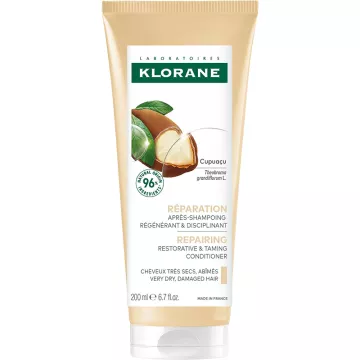
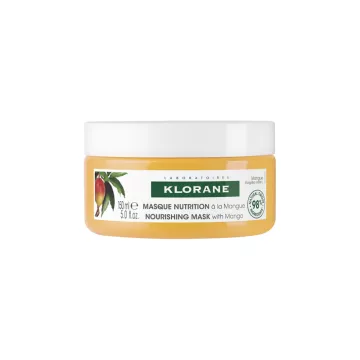
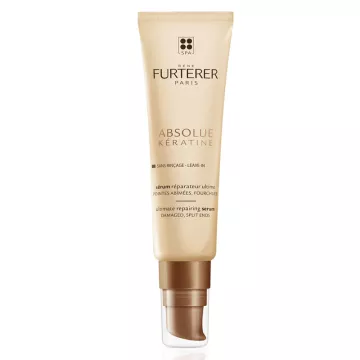
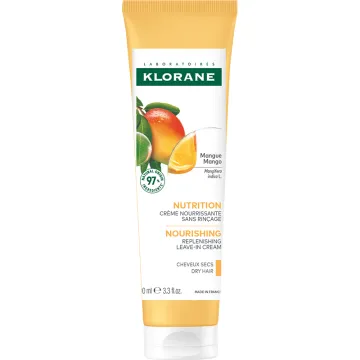
Dry hair is characterized by a lack of lubrication and hydration: the cuticle, which is damaged or poorly protected, no longer retains enough water and sebum. The result: hair that looks dull, feels rough to the touch, and is prone to breakage. There are many causes: genetic factors (some scalps naturally produce less sebum), environmental influences (dry climate, sun, pollution), and inappropriate treatments (frequent coloring, excessive heat styling, harsh shampoos). Understanding the cause of dryness helps you choose the right hair care products. Note that very severe dryness requires an even more intensive approach, just as with very dry hair. In any case, a gentle, moisturizing hair care routine is the best solution.
There are several signs that indicate dry hair:
A simple test: gently stretch a strand of hair; if it breaks easily and lacks elasticity, it’s probably dry. Split ends are often the first visible sign of a dehydrated and weakened hair strand that requires appropriate care.
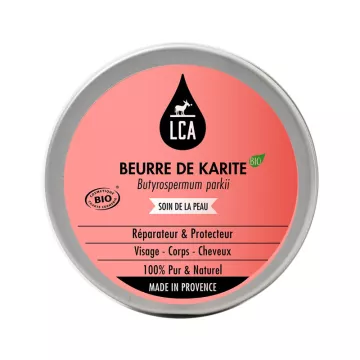
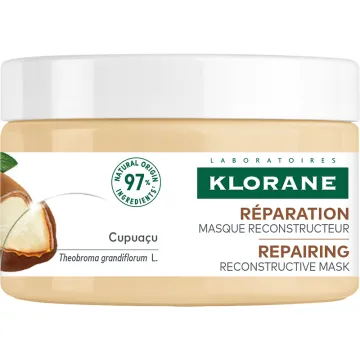
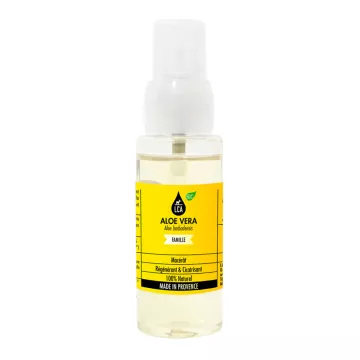
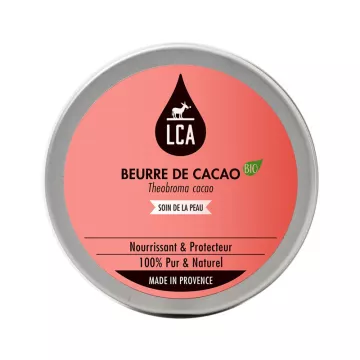
For dry hair, look for nourishing and moisturizing active ingredients. Plant-based oils such asargan,coconut, or jojoba nourish and create a protective barrier that locks in moisture. Shea butter intensely coats and softens the hair. Humectants like hyaluronic acid andaloe vera attract and retain water within the hair shaft. Optimal effectiveness comes from combining a humectant (which delivers water) with an emollient (which locks it in). Checking the INCI list ensures that these ingredients appear near the top of the list, rather than simply at the very end of the formula. Choosing products formulated for dry hair—with rich but non-weighing-down formulas—gradually restores comfort, suppleness, and shine to dehydrated hair.
A routine tailored to dry hair is based on a few key steps:
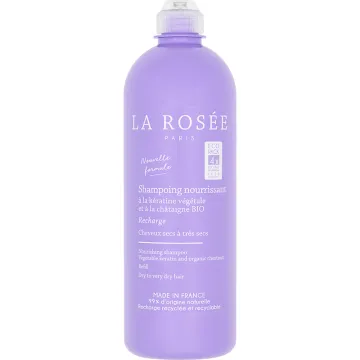
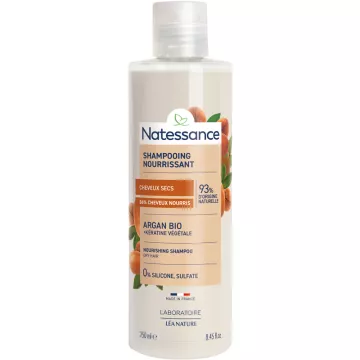
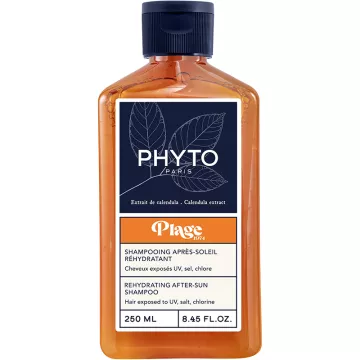
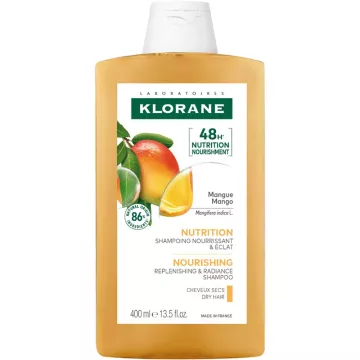
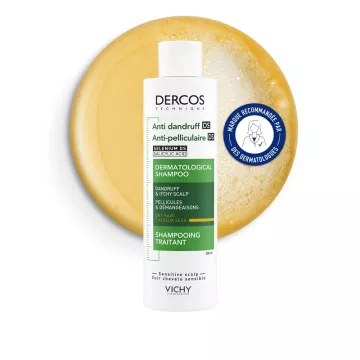
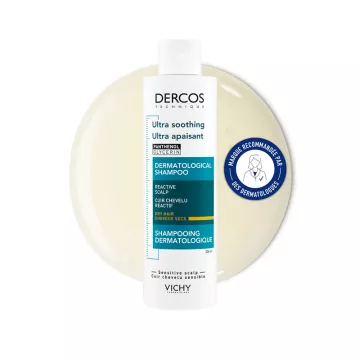
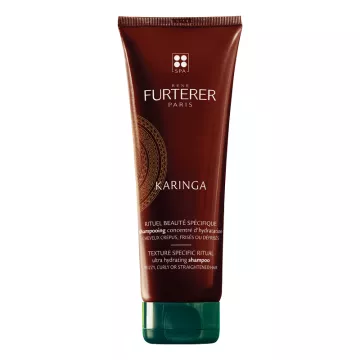
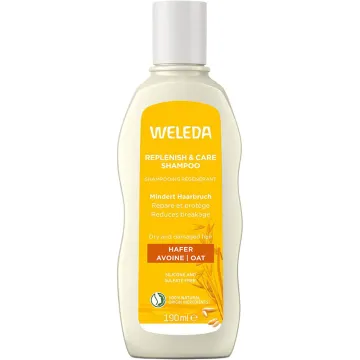
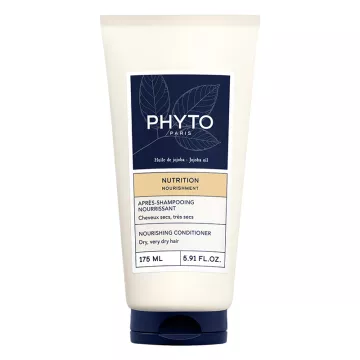
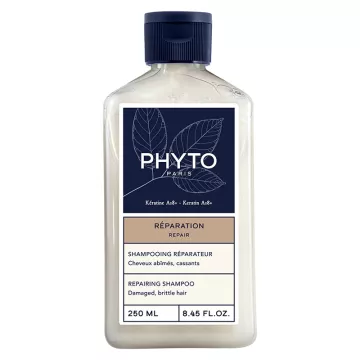
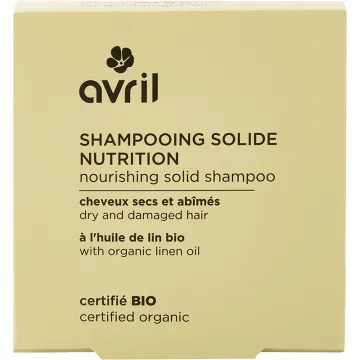
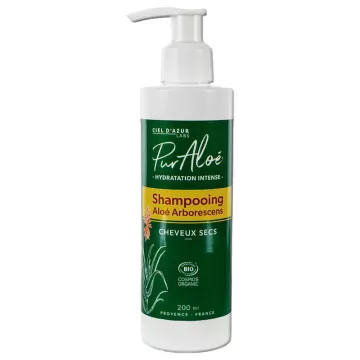
A shampoo specifically formulated for dry hair is the foundation of your routine. Consistency is more important than intensity.
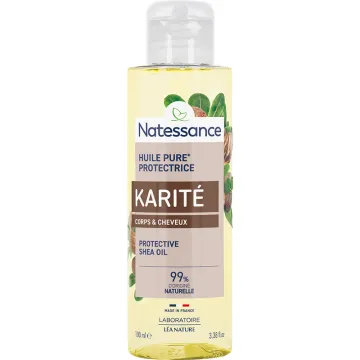
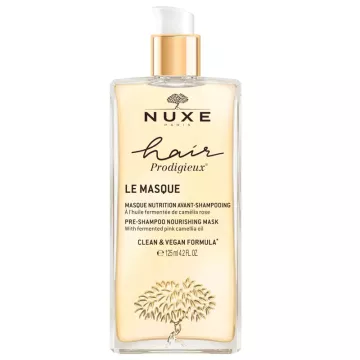
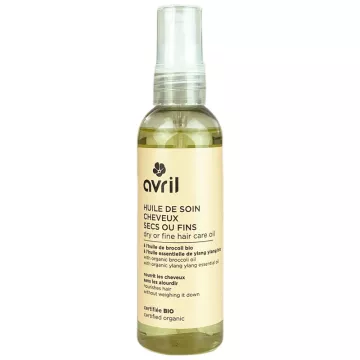
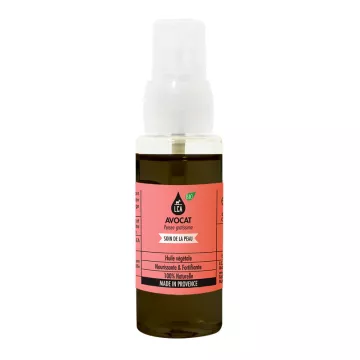
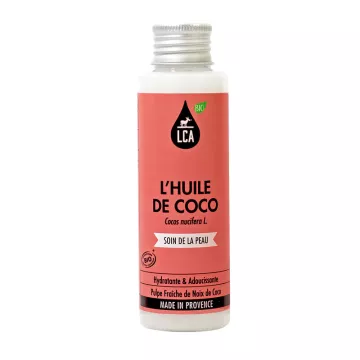
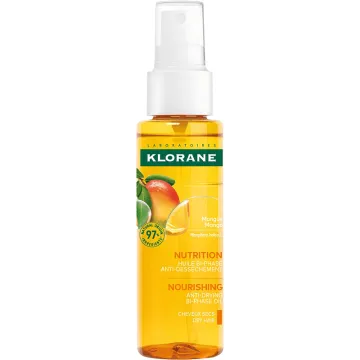
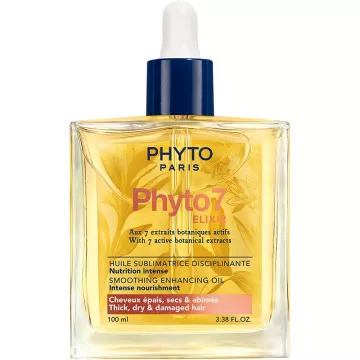
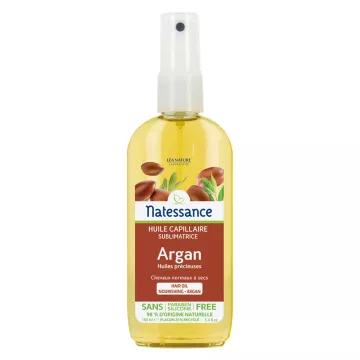
Plant-based oils are the best allies for dry hair and can be used in several ways. Before shampooing: apply the oil to the mid-lengths and ends, leave it on for several hours (or as an oil treatment) for deep nourishment, then wash. After shampooing: a few drops on damp hair make it easier to detangle and add shine, without rinsing. As a nighttime treatment: apply the oil as a mask to the entire head of hair before bed, with hair covered, for an intensive treatment. The secret lies in the amount used: a small amount is enough, focusing on the ends and avoiding the roots to prevent greasiness. Oils such as jojoba, which is similar to sebum, or coconut oil, which penetrates deeply, are ideal for dry hair and provide long-lasting softness and shine.
Prevention helps limit dryness in your daily routine. Reduce how often you wash your hair: washing too often strips away protective sebum and dehydrates the hair shaft. Protect your hair from environmental stressors: wear a hat or scarf to shield against the sun and wind, and rinse your hair after swimming in a pool or the ocean. Avoid harsh products: opt for gentle hair dyes and treatments, and limit the use of styling products containing drying alcohol. Minimize exposure to heat sources and always protect the hair shaft before using a heating tool. At night, a silk pillowcase reduces friction and preserves moisture. Trimming the ends regularly—every three to four months—eliminates split ends and improves the overall appearance. Note that trimming maintains the health of the hair shafts but does not “stimulate” growth, which is genetically determined. These preventive measures are better than resorting to treatment too late.
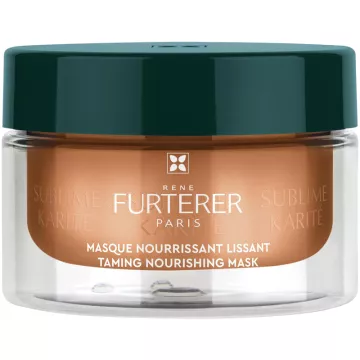
Coloring already dry hair requires special care: opt for ammonia-free, moisturizing formulas; prepare the hair shaft with a deep conditioning treatment beforehand; and nourish it afterward to minimize damage. When it comes to diet, omega-3s (fatty fish, nuts, seeds), vitamin E (almonds, avocados), and B vitamins contribute to hair health from the inside out. When styling, use low heat settings on styling tools, opt for protective, heat-free hairstyles (buns, loose braids), and apply a protective serum or oil as a barrier. Finally, switching up your products from time to time can be helpful if your hair seems to have stopped responding, provided you always choose products suited to its needs. Consistency in your routine—rather than using more and more products—makes the biggest difference for dry, damaged hair.