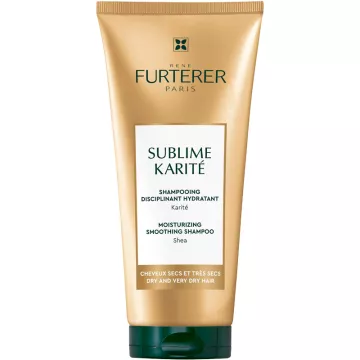
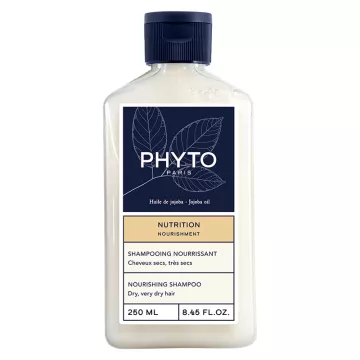
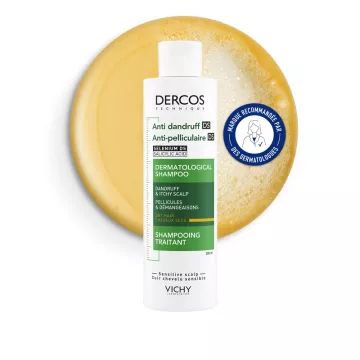
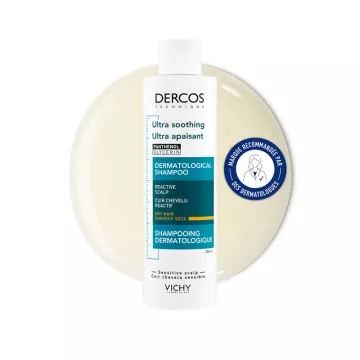
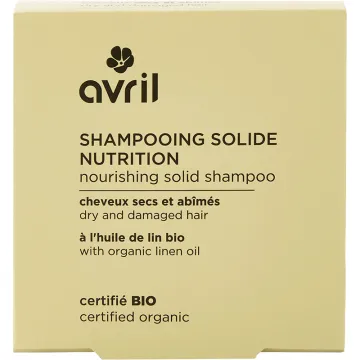
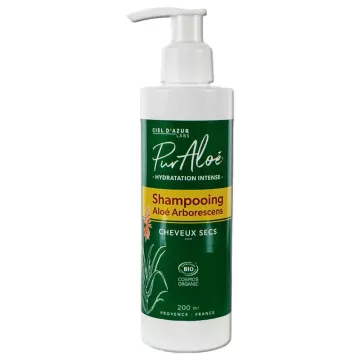
A shampoo for dry hair, or moisturizing shampoo, is a hair care product formulated to provide optimal hydration to dry and dehydrated hair. Unlike traditional shampoos, it contains moisturizing agents (glycerin, hyaluronic acid), plant oils, and nourishing butters that help lock in moisture within the hair shaft. Its formula, often enriched with argan oil or aloe vera, gently cleanses without stripping away natural oils. The result: softer, more supple, and shinier hair. It’s part of a comprehensive hair care routine designed for parched hair.
Dry hair results from a combination of several factors:
Identifying the cause helps you adjust your routine: a gentle shampoo minimizes the drying effect of washing.
A shampoo for dry hair addresses specific needs. It intensely hydrates thanks to active ingredients like glycerin, argan oil, and aloe vera, which restore the hair’s comfort. It strengthens the hair shaft with proteins and vitamins that help reduce breakage and split ends. It protects the cuticle by reinforcing the hair’s natural barrier against external aggressors. For hair damaged by chemical treatments or heat, a reinforced repair shampoo complements the moisturizing action. This type of shampoo is particularly suitable for hair that is dull, rough to the touch, and prone to frizz.
For an effective shampoo for dry hair, look for certain active ingredients. Plant-based oils (argan, coconut, sweet almond, jojoba) hydrate and nourish. Plant-based butters, such as shea butter or cocoa butter, provide nourishing and restorative properties. Plant extracts (aloe vera, chamomile, lavender) soothe the scalp. Proteins (silk, wheat) strengthen the hair shaft’s surface. Conversely, limit harsh sulfates and silicones, which can weigh hair down and cause buildup. Check the INCI list to ensure that moisturizing agents are listed near the top.
To maximize the benefits of the moisturizing shampoo, thoroughly wet your hair with lukewarm (never hot) water. Take a small amount of shampoo and gently massage your scalp with your fingertips, without rubbing the lengths—they’ll clean themselves during rinsing. Rinse thoroughly with lukewarm water to remove all residue, which can cause dull hair. Always follow up with a moisturizing conditioner for dry hair to lock in moisture and make detangling easier. A weekly hair mask deepens the treatment’s effects. For curly hair, which is naturally particularly dry, a leave-in treatment is the ideal way to complete your routine.
It’s recommended to wash dry hair no more than 2 to 3 times a week. Washing too frequently strips the hair of its essential natural oils and exacerbates dryness. A few additional steps help preserve moisture: use lukewarm water instead of hot water, limit the use of heat-styling tools and always apply a heat protectant, use a moisturizing mask once a week, and protect your hair from UV rays and wind (hat, protective spray). For very dry hair, space out washes even further and use a leave-in treatment between shampoos to maintain moisture. Respecting the scalp and its natural balance remains the key to soft, nourished hair.
A moisturizing shampoo can be suitable for oily hair as long as you choose a lightweight formula: active ingredients like aloe vera and glycerin moisturize without weighing the hair down, provided you avoid heavy oils that would exacerbate excess sebum. For color-treated hair, a hydrating shampoo is often recommended, as this type of hair tends to become dry and brittle after chemical treatments. In this case, opt for a sulfate-free formula to preserve the color and maintain shine and hydration. Note the difference from a nourishing shampoo: a moisturizing shampoo attracts and locks in moisture (glycerin, hyaluronic acid), while a nourishing shampoo provides nutrients (proteins, vitamins). These two goals often complement each other in a routine tailored to dry hair.
High-quality moisturizing shampoos are generally well-tolerated. However, some people may have an allergic reaction to ingredients such as fragrances or preservatives: a patch test on a small area is recommended before first use. If you experience redness, itching, or scalp irritation, discontinue use and consult a healthcare professional. Signs that indicate a need for a moisturizing shampoo include a rough texture, frizz, a dull and lifeless appearance, or an itchy, dry scalp. Regular use provides long-lasting improvements in softness and shine. If dryness persists despite a suitable hair care routine, or is accompanied by abnormal hair loss, consulting a dermatologist can help identify a possible underlying cause.