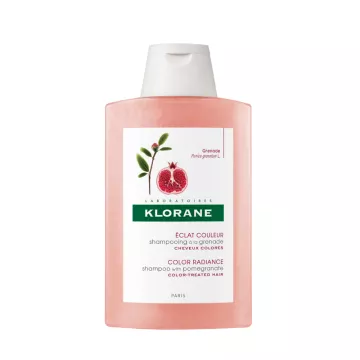
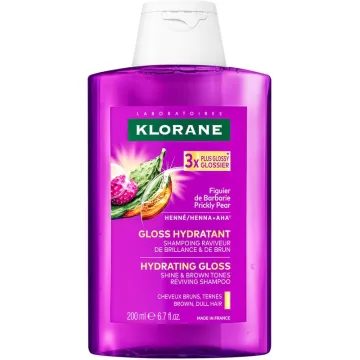
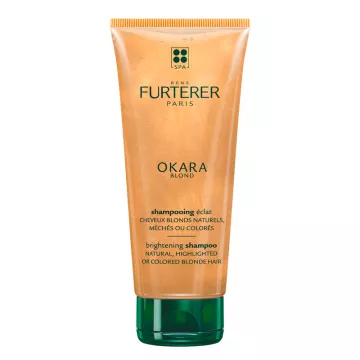
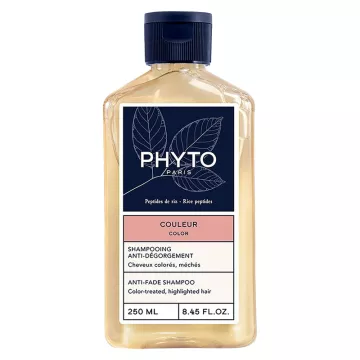
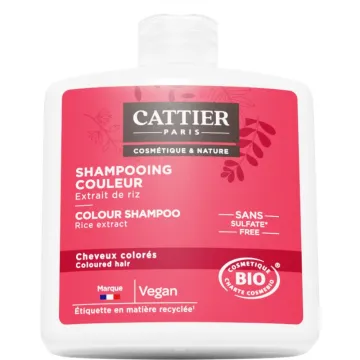
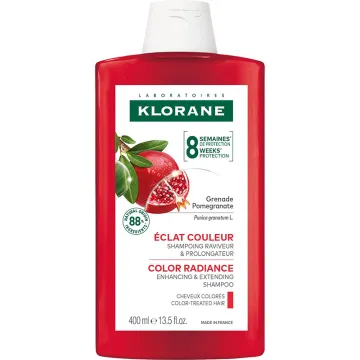
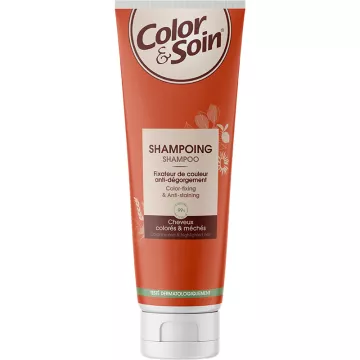
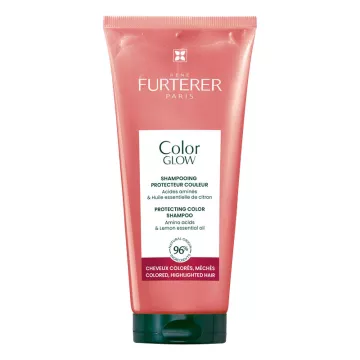
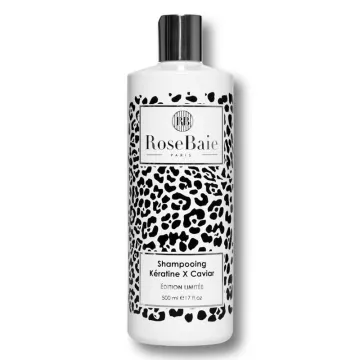
Using a shampoo for color-treated hair is essential for preserving the vibrancy and longevity of the color. Regular shampoos often contain sulfates and harsh cleansing agents that cause the color to fade more quickly. A shampoo specifically designed for color-treated hair—formulated without sulfates and with mild surfactants—cleans effectively while helping to maintain the color’s vibrancy. These formulas frequently include antioxidants and UV filters that protect the hair shaft from damage caused by the sun and free radicals—the main culprits behind premature fading. It’s an essential part of a hair care routine designed to protect your color.
The ingredients make all the difference when it comes to preserving color:
For dry, color-treated hair, a formula rich in moisturizing agents helps minimize the drying effect of hair coloring.
It’s generally recommended to wash colored hair 2 to 3 times a week. Washing it daily is too harsh and accelerates color fade. For hair that’s damaged or particularly dry from coloring, spacing out washes even further helps preserve both the color and moisture. Between shampoos, dry shampoo helps refresh the roots without wetting the hair or risking color fade. Opt for cold or lukewarm water when rinsing, as hot water opens the cuticle and promotes color fading. These simple steps significantly extend the life of your color between dyeing sessions.
Using a shampoo for color-treated hair starting with the first few washes after coloring is particularly important. The first few washes are the most critical, as the color is most vulnerable to fading during this time. These shampoos help seal the hair cuticle to limit pigment loss and restore the natural pH balance of the scalp and hair, which is often disrupted by the coloring process. Ideally, waiting 48 hours after coloring before the first wash allows the pigments to set properly. Continuing to use this type of shampoo throughout the period between color treatments helps maintain the shine and vibrancy of the color for as long as possible.
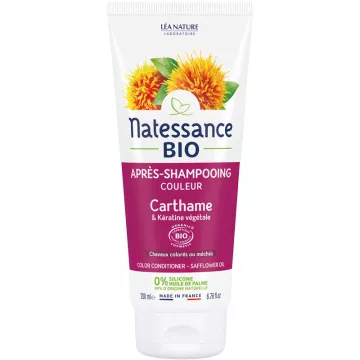
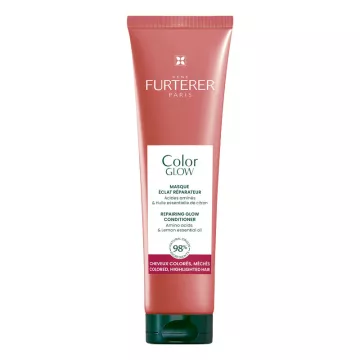
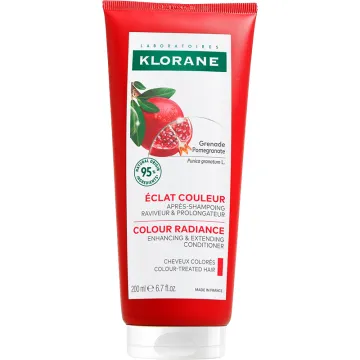
A conditioner for color-treated hair is just as important as the shampoo itself. It provides hydration that restores moisture lost during the coloring process. It forms a protective barrier around each strand to help seal in the color and minimize fading. Its conditioning agents help repair weakened hair fibers, reducing breakage and split ends. Finally, it adds shine that makes colored hair look more vibrant. Apply it to the mid-lengths and ends—never to the roots. For best results, follow up with a reparative mask once a week, which is especially beneficial for severely damaged, bleached hair.
Shampoos for colored hair are suitable for all hair types—whether fine, thick, straight, curly, or coily. They contain moisturizing agents and proteins to maintain the elasticity and health of the hair shaft, regardless of hair type. For fine hair, opt for a lightweight formula that doesn’t weigh down the strands. For thick, dry, or coily hair, a shampoo richer in nourishing oils provides deep hydration. The key is to combine color protection with the specific needs of your hair type. If your shade is too warm or has unwanted highlights, you can also use special depositing shampoos (with repigmenting pigments), chosen based on your hair color.
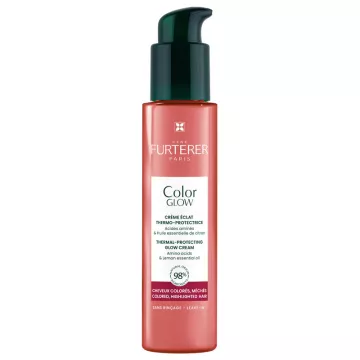
Heat-styling tools (straighteners, curling irons, hair dryers) are particularly damaging to colored hair: excessive heat opens the cuticle, causing color to fade and leading to premature discoloration. To minimize damage, always apply a heat protectant before using any heated styling tool to create a barrier. Set the tools to a moderate temperature rather than the highest setting. Limit how often you use them and opt for heat-free styling methods. Air-dry your hair whenever possible. Also limit prolonged sun exposure by wearing a hat or using a UV-protective spray to prevent fading caused by the sun’s rays. These steps protect both the color and the health of weakened hair.
Colored hair shows several signs that it needs intensive care. Dryness and roughness to the touch indicate a lack of moisture. A loss of shine gives the hair a dull appearance. Increased breakage and split ends reveal structural damage. Rapid color fading requiring frequent touch-ups signals a damaged cuticle. A lack of elasticity, with hair that breaks easily, indicates significant fragility. To remedy this, incorporate deep conditioning treatments: hydrating hair masks, nourishing oils, and reparative treatments restore moisture, strength, and shine. A pre-shampoo oil treatment withjojoba or arganoil effectively complements the routine. By regularly caring for the hair shaft, you prolong both the beauty of the color and the health of your hair.