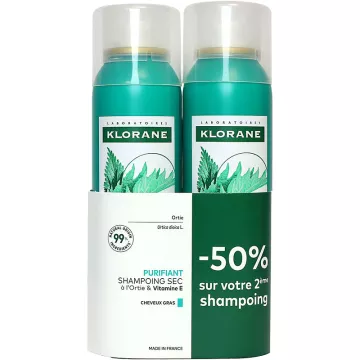
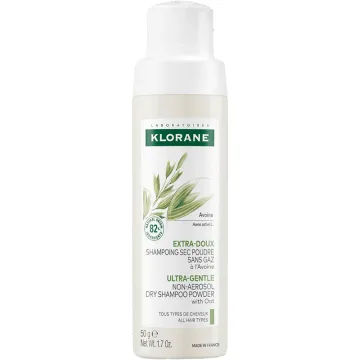
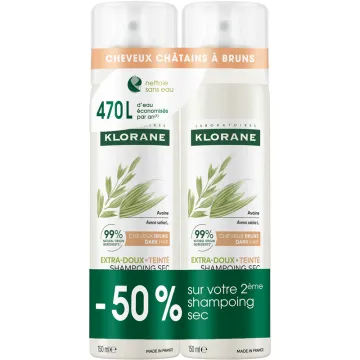
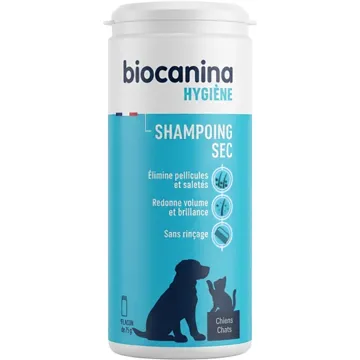
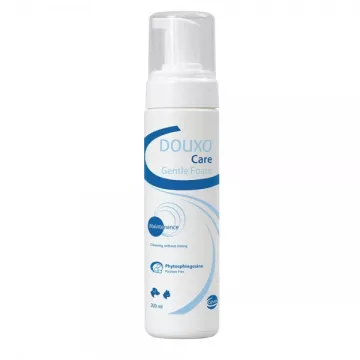
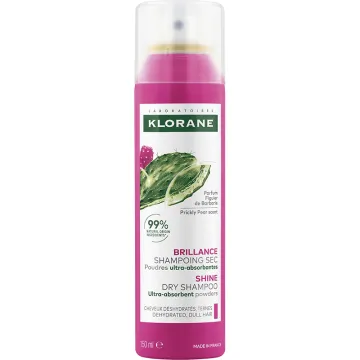
Dry shampoo is a hair care product designed to refresh hair without water. It works by using absorbent agents, such as rice starch orclay, which capture excess oil and impurities at the roots. The result: hair that looks cleaner and lighter in just a few minutes. Especially useful when you don’t have time for a regular wash or want to space out your shampooing sessions, it usually comes in spray or powder form. It doesn’t actually “wash” the hair in the sense of a water-based cleanse, but absorbs oil to provide an immediate refreshing effect. It’s a valuable emergency solution to incorporate occasionally into a hair care routine—as a supplement, not a replacement.
Careful application prevents a powdery look or grayish roots:
The spraying distance and the final brushing are the two keys to a natural, invisible result with no white residue.
Dry shampoo offers several benefits that explain its popularity. Convenience above all: it’s a quick fix in just a few minutes, ideal for travel, at the office, or after a workout. It also adds volume and texture—particularly beneficial for fine, flat hair —by restoring body at the roots. It allows you to keep a hairstyle or blowout looking fresh for several days without having to wash your hair again, thereby protecting the hair shaft and color. Finally, by reducing the frequency of water-based washes, it contributes to significant water savings. These benefits make it a versatile product that saves time and enhances hairstyles—provided it’s used wisely and in moderation to preserve scalp health.
Dry shampoo is suitable for most hair types, but with some caveats. It is particularly beneficial for oily hair, which gets greasy quickly and fully benefits from its absorbent properties between washes. On dry hair, use should be moderate to avoid further dehydrating the scalp. It can also be used on color-treated hair —preferably with a specialized formula that protects the color—and on curly or textured hair, where it helps preserve curl definition by preventing moisture that causes frizz. On curly hair, apply it to the roots and massage gently so as not to disrupt the curls’ structure. Choosing a formula suited to your hair type remains, as always, the best way to ensure results.
Moderation is the golden rule for dry shampoo. It’s generally recommended to use it once or twice a week, as a quick fix between regular washes. Using it too often leads to a buildup of residue on the scalp, which can eventually cause itching, irritation, and ultimately force you to wash your hair more frequently to remove it all—the opposite of the desired effect. Dry shampoo masks sebum and impurities without removing them: it does not clean deeply. That’s why it should remain an occasional supplement, not a substitute. Alternating wisely between dry shampoo and regular washing allows you to enjoy its convenience while maintaining a healthy scalp. Pay attention to your scalp—itching or a heavy feeling—as these are signs that it’s time to go back to a proper wash with water.
No, and this is a key point: dry shampoo should not completely replace traditional washes. It’s designed as a temporary solution to refresh your hair between washes, not as a full-fledged cleanser. To maintain a healthy scalp, regular washing with water and a mild shampoo remains essential: only this truly removes sebum, dead skin cells, product buildup, and… the dry shampoo itself. Relying exclusively on dry shampoo, allowing these residues to build up, eventually suffocates the scalp and disrupts its balance. The right approach is to view dry shampoo as a handy solution that fits intelligently into a routine where washing with water remains the central and regular part of your hair care regimen.
Yes, several natural ingredients can replace commercial dry shampoo.Cornstarch, rice flour, orbentonite clay effectively absorb excess sebum and refresh the scalp, without any synthetic ingredients. They’re applied the same way: a small amount at the roots, left on for a few minutes, then brushed out thoroughly. For dark hair, you can mix in a little cocoa powder to avoid a whitish cast. When it comes to store-bought products, opt for natural formulas free of parabens and sulfates, and checkthe label for environmental certifications and recyclable packaging. Whether you opt for a homemade recipe or a specialized product, the principle remains the same—absorbing oil—and the same precautions apply: use sparingly and brush through thoroughly afterward to avoid any visible residue.