Split ends are a sign of damage to the hair shaft: the ends split into two or more strands. This occurs as a result ofexternal factors that wear down the cuticle until the inner cortex is exposed and split: excessive use of heat styling tools (hair dryers, straighteners), repeated chemical treatments (hair coloring, bleaching), prolonged sun exposure, or inappropriate hair care. Split ends are a sign that the hair is brittle, dry, and damaged at the tips. A key point to remember: a split end is irreversible —the only way to truly eliminate it is to cut it off. Everything else is about prevention and temporary concealment. Understanding this helps you avoid false promises and guides you toward a hair care routine that is both preventive and realistic.
Since prevention is the only real solution, a few practices are essential:
These steps, when followed consistently, greatly reduce the appearance of split ends, particularly in dry and weakened hair, which is most prone to them.
It’s helpful to distinguish between these two issues, as they don’t have the same cause. Split ends appear atthe very tips of the hair: the ends split, mainly due to mechanical or chemical damage targeting older sections of the hair. Brittle hair, on the other hand, breaks along its entire length and can snap at any point: this often indicates a more general fragility linked to nutritional deficiencies, a lack of hydration, or improper care. A strand of hair can, of course, be both brittle and split-ended. This distinction guides the solution: split ends primarily require regular trims and protection of the ends, while overall breakage calls for strengthening the hair shaft as a whole and identifying any potential deficiencies. Properly identifying the problem allows you to take effective action rather than acting at random.
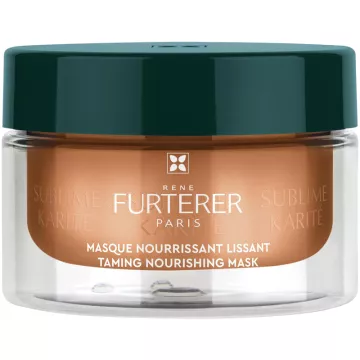
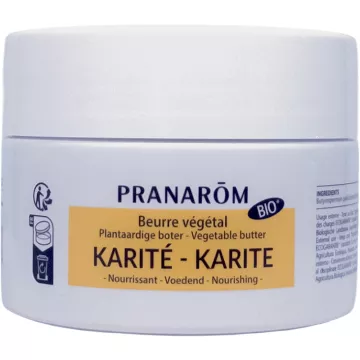
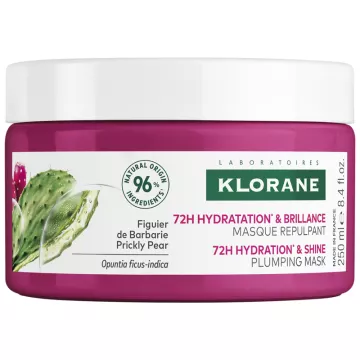
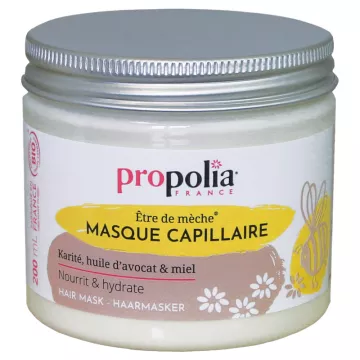
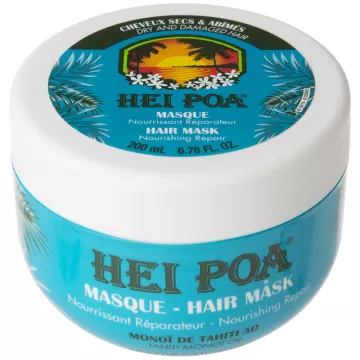
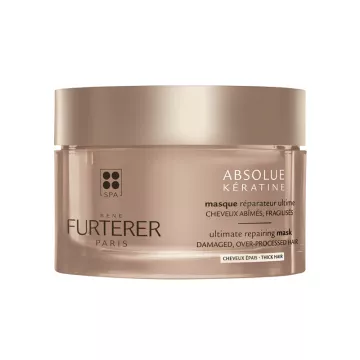
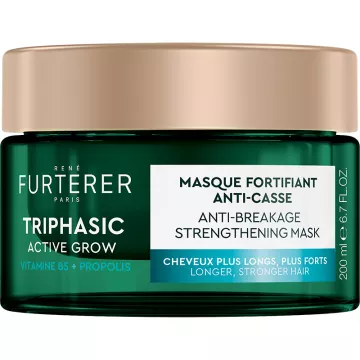
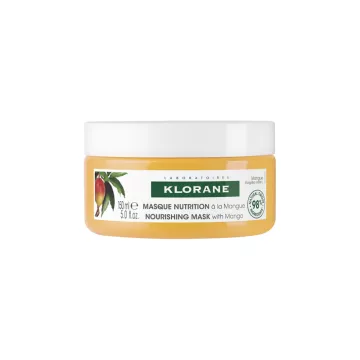
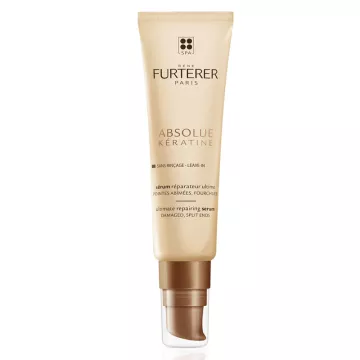
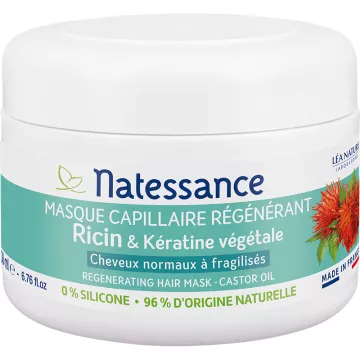
Several treatments improve the appearance of split ends without actually repairing the split. Protein or keratin masks coat the hair shaft and strengthen it on the surface. Serums and oils (argan, coconut, castor) lock in moisture and smooth the cuticles. Leave-in treatments make detangling easier and reduce breakage. As for natural remedies: analoe vera mask moisturizes the ends, a weekly warm oil treatment provides intense nourishment, and a rinse with diluted apple cider vinegar tightens the cuticles and restores shine. The ideal time to apply these treatments is after shampooing, on damp, towel-dried hair, as the residual moisture promotes absorption. A weekly application maintains the vitality of the lengths. These treatments conceal and prevent split ends, but they do not replace a haircut for permanently eliminating existing split ends.
The answer is clear: no, you cannot completely repair a split end without cutting it off. Once the hair is split, the process is irreversible—since the hair fiber is dead matter, it does not “re-bond.” What these products can do is temporarily “glue” split ends back together, giving the appearance of healthy hair until the next wash. Specialized serums and finishing creams are formulated to conceal split ends and protect the hair from further damage while you wait to get a trim. This is a useful temporary solution, but it does not replace the need to trim the ends regularly: allowing split ends to set in causes them to travel up the hair shaft and worsens breakage. The best strategy, therefore, combines three approaches: prevention (limiting damage), temporary concealment (serums), and regular trims—the only truly effective way to eliminate split ends.
For those who want to trim their split ends at home between appointments, there’s a simple method:
This touch-up technique isn’t a substitute for a full cut by a professional, but it allows you to space out your appointments. Work on dry hair in natural light, and cut a little at a time.
The choice of products depends on your hair type. For fine hair, opt for lightweight products (leave-in sprays) that won’t weigh it down. For thick or curly hair, choose nourishing oils or rich balms that penetrate deeply. Look for products enriched with amino acids and proteins, which strengthen the hair’s structure. When it comes to environmental protection, outdoor conditions (sun, wind, humidity) accelerate drying and promote split ends: excessive sun exposure breaks down hair proteins, and wind causes tangles and breakage. Wearing a hat and using products with UV filters protects your hair in extreme conditions. Combining the right products, protection, and regular trims is the comprehensive strategy for maintaining healthy lengths and long-term prevention of new split ends.