Thick hair refers to a texture in which each strand has a larger-than-average diameter, a characteristic that is primarily genetic. This trait offers several benefits: a certain strength, good resistance to mechanical damage, and generous natural volume. Thickness (the diameter of each strand) should not be confused with density (the number of strands): you can have thick hair with few strands, or fine but dense hair. While thickness is an asset for volume and hold, it also presents specific challenges: excessive volume, long drying times, and a tendency to frizz. Unlike fine hair, the goal isn’t to create volume but often to control it. A tailored hair care routine enhances your hair’s strengths while tackling these challenges.
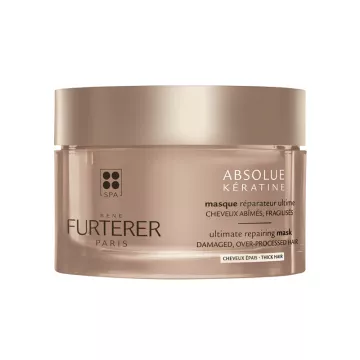
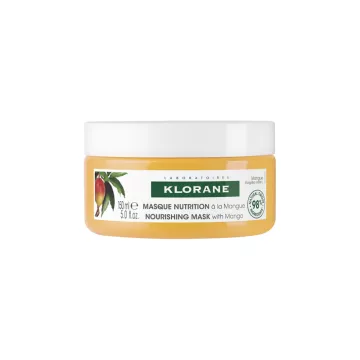
Thick hair requires sustained hydration, as its volume can mask a hair shaft that is actually dry:
Unlike fine hair, thick hair tolerates—and actually benefits from—richer textures, which nourish and tame it without weighing it down. That’s the advantage of this robust hair type.
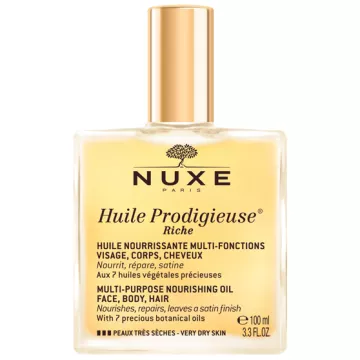
The main challenge with thick hair is managing excess volume and avoiding a frizzy look. To tame your hair and fight frizz, use hair serums and oils that smooth the cuticle and provide a silky finish, focusing on the mid-lengths and ends. Gentle drying (using a microfiber towel, air-drying, or a diffuser) minimizes frizz caused by agitating the hair shaft. For a natural approach, a rinse with diluted apple cider vinegar smooths the cuticle and reduces frizz, while coconut oil masks nourish and slightly weigh down the hair shaft, which tames volume. The haircut is key here: graduated or layered cuts remove excess bulk and add structure to the hair, making it more manageable. An experienced hairstylist will know how to thin the hair strategically to enhance shine and shape without creating a “pyramid” effect.
Detangling thick, dense hair requires a methodical approach. Use a wide-tooth comb or a detangling brush, and work in sections to avoid pulling. Always start at the ends and gradually work your way up toward the roots to minimize breakage and tension on the scalp. It’s best to detangle while the hair is damp and coated with conditioner, which makes it easier to comb through. When it comes to styling, thick hair offers plenty of freedom: it holds structured styles well, such as buns, braids, and ponytails, which highlight its natural density. Layered cuts add lightness and movement. Because it’s so strong, thick hair can withstand a bit more handling than fine hair, but a gentle touch is still essential to preserve the length. When properly detangled and cut, thick hair becomes a major aesthetic asset, combining controlled volume with style.
Long drying times are a classic challenge with thick hair. To optimize drying: divide the hair into sections and dry each one separately, use a concentrator nozzle to direct the airflow, and opt for an ionic hair dryer, which reduces drying time and frizz. Always use moderate heat settings and apply a heat protectant, as even though it’s resilient, thick hair can become damaged by repeated exposure to excessive heat. For external protection, apply products with UV filters and antioxidants to shield against the sun, pollution, and chlorine, and wear a hat during prolonged exposure. Rinse with fresh water after swimming. Although thick hair is more resistant to damage than dry or fine hair, it is not invulnerable: regular protection preserves its shine, suppleness, and long-term health.
Thick hair can be colored without major damage, provided you take precautions: opt for ammonia-free hair dyes and apply protective treatments before and after to preserve the hair’s structure and moisture. Its strength generally makes it more tolerant of treatments than fragile hair, but this doesn’t mean you can skip proper care. Among its advantages: greater resistance to mechanical damage (brushing, styling), natural volume and body that allow for a wide variety of styles, and good coverage of the scalp, which is especially helpful for those with thinning areas. Its challenges —volume that can sometimes be hard to tame, slow drying, and frizz—can be managed with the right techniques and a suitable haircut. When well-maintained, thick hair offers a dense, dynamic look full of character—a true beauty asset that an appropriate daily routine can help bring out to its fullest potential.