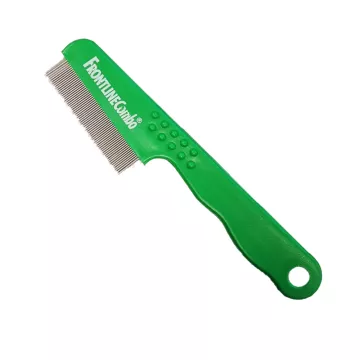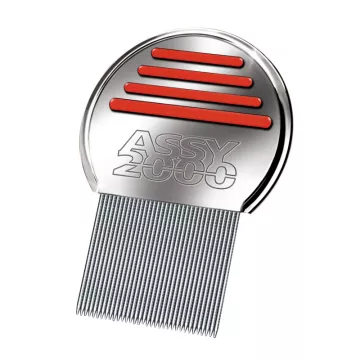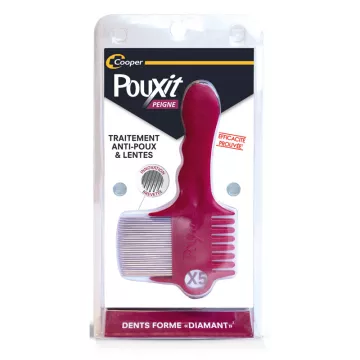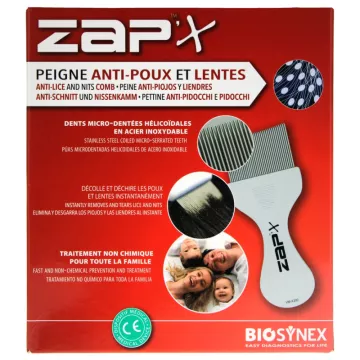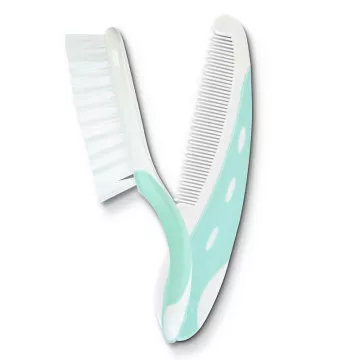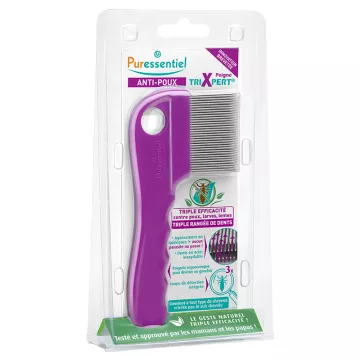

There are several types of combs, each designed for a specific purpose. A wide-tooth comb is ideal for detangling wet or very curly hair without breaking it. A tail comb is used to separate hair into distinct sections for precise styling or applying products. A fine-toothed comb (or lice comb) allows for detailed work and the removal of nits. The flat comb smooths and tames the hair. Choosing the right comb based on its intended use and your hair type is part of a gentle hair care routine, as an unsuitable comb can weaken the hair shaft and lead to breakage.
The right comb depends on your hair type:
For both fine and curly hair, the choice of comb directly affects styling comfort and the health of the hair shaft.
The material of the comb plays a significant role in preventing damage. Low-quality plastic combs can cause friction andstatic electricity, leading to frizz and breakage. Combs made from natural materials like wood or horn are gentler: wood has natural antistatic properties that reduce frizz, glides smoothly without snagging, and helps distribute the scalp’s natural oils along the hair shaft, which protects against dryness and split ends. They are also more environmentally friendly, a feature appreciated by eco-conscious consumers. A well-finished wooden comb with smooth, rounded teeth is a long-lasting investment in hair health, provided you keep it away from prolonged exposure to moisture, which could damage it.
Combs and brushes complement each other, but their uses differ. The comb, with its evenly spaced teeth, excels at gently detangling, creating precise partings, and styling with precision—especially on wet hair, where a brush is more likely to break strands weakened by water. A brush, with its softer and more abundant bristles, is ideal for dry hair to massage the scalp, smooth the hair, and distribute natural oils along the entire length, which helps keep hair supple and shiny. The rule of thumb: comb wet hair, brush dry hair. Using the right tool at the right time minimizes mechanical breakage—one of the main causes of damaged-looking strands—and preserves the beauty of your hair day after day.
Proper combing technique preserves the health of your hair. The golden rule: start at the ends, detangle knots from the bottom up, then gradually work your way toward the roots. Detangling directly from the roots worsens knots and pulls on the hair shaft, causing breakage and hair loss. Work section by section, gently and patiently, especially on curly or coily hair. On wet hair, which is more fragile, use a wide-tooth comb and never force it through. To distribute a styling product, apply it first with your fingers, then comb through for even coverage. Gently massaging the scalp while combing also provides a pleasant moment of relaxation. A gentle, methodical approach makes all the difference in preserving hair length and ensuring a comfortable styling experience.
Regular maintenance extends the comb’s lifespan and ensures hair hygiene. It’s recommended to clean it once a week: first, remove any hair trapped between the teeth, then soak it in a solution of lukewarm water mixed with mild shampoo. Next, brush the teeth with an old toothbrush to remove product residue and sebum, rinse with clean water, and let it air dry on a clean cloth. For wooden combs, avoid prolonged soaking, which can damage the material: a quick cleaning followed by thorough drying is sufficient. A clean comb prevents impurities and residue from being reapplied to freshly washed hair and helps maintain scalp comfort. This simple maintenance routine fits naturally into your hair care regimen.
For children, whose scalps are more sensitive, choose a comb with wide, rounded teeth made of a flexible material such as smooth wood or BPA-free plastic to avoid causing injury or pulling. Colorful or playful combs make combing time more enjoyable and encourage good habits from an early age. For curly or very coily hair, a comb with very wide teeth is essential: it detangles without breaking or disrupting the curls. Ideally, comb this hair while it’s damp and conditioned, as the conditioner makes it easier for the teeth to glide through and minimizes breakage. Patience and gentleness are essential to preserve the natural shape of the curls and avoid weakening hair that is often drier by nature.
The tail comb is a valuable tool for at-home hair coloring. Its fine tip allows you to divide the hair into neat, even sections—a key step for uniform dye application. You then apply the product strand by strand, using the comb to distribute the color evenly and avoid visible lines where sections meet. This precision ensures a more consistent result, with no missed spots or over-processed areas. The tail comb is also used to create clean partings and separations for styled hairstyles. Ideally reserved for this purpose (and cleaned after each coloring session to prevent pigment stains), it is a useful addition to any styling toolkit. When chosen wisely and well-maintained, the comb remains a simple yet crucial accessory for the beauty and health of your hair.