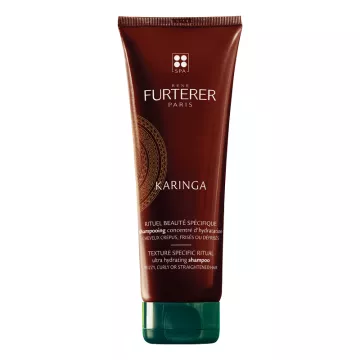
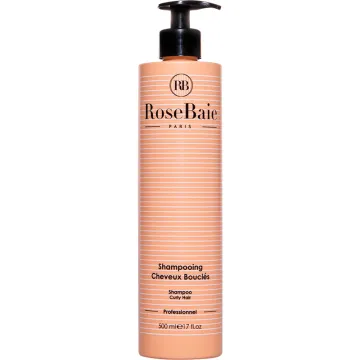
Curly hair is naturally drier because sebum has a hard time traveling down the length of the curl, so it requires a gentle, moisturizing wash. Choose a sulfate-free shampoo to avoid drying out the curls. Apply the shampoo mainly to the scalp, massage gently to remove impurities—without scrubbing the lengths too harshly—then rinse thoroughly with lukewarm water. A moisturizing conditioner is practically essential to make detangling easier and nourish the hair shaft. Unlike straight hair, curly hair tolerates—and actually benefits from—less frequent washing. This unique nature, similar to that of wavy hair but often even drier, means your entire hair care routine should focus on hydration and softness.
Hydration is the cornerstone of curly hair care:
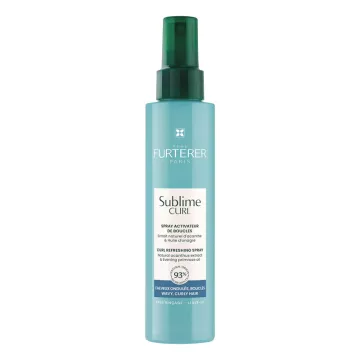
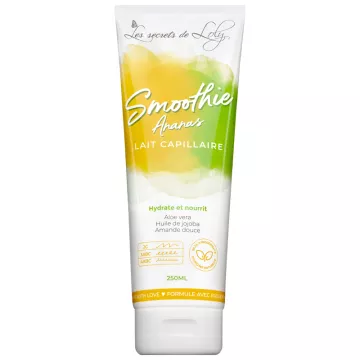
The “moisturize then seal” principle (applying a moisturizer followed by an oil-based product that locks in moisture) is particularly effective for this thirsty hair texture. Well-hydrated hair frizzes less and retains defined curls longer.
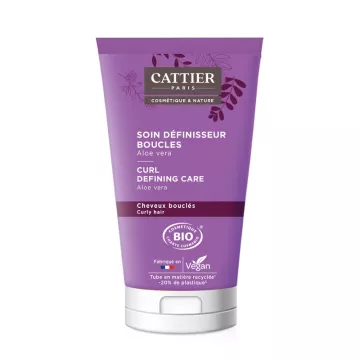
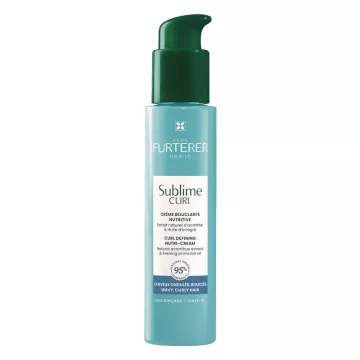
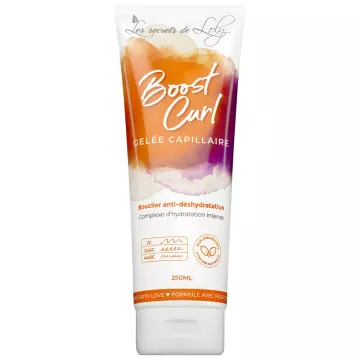
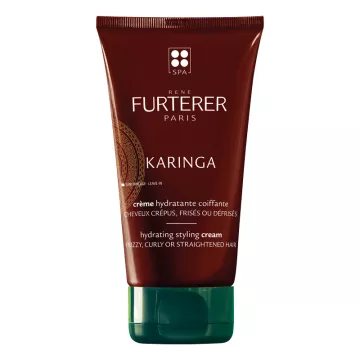
When styling curly hair, opt for gels or creams formulated for curls, which define without causing frizz, and avoid alcohol-based products that can dry out the hair. Apply the product to damp hair to encourage curl formation. Two techniques make all the difference: the “praying hands” method (apply the product between your palms, then smooth it over each section) distributes the product evenly, and the “scrunch” method (squeezing the curls from bottom to top) encourages curl formation. Then air-dry or use a diffuser on a low setting, without touching the hair while it dries. These techniques, specific to curly and coily textures, help achieve defined, supple curls rather than a frizzy look. Mastering these styling techniques is often more crucial than using multiple products for beautiful results.
Detangling curly hair requires great care, as this texture is the most prone to knots and breakage. It’s best to detangle while the hair is damp and coated with conditioner, which lubricates the hair shaft and makes detangling easier. Use your fingers or a wide-tooth comb—never a traditional brush with tightly packed bristles, which breaks the curls and increases frizz. Start at the ends and gradually work your way up toward the roots, without ever forcing a knot. Work in sections for thick hair. This gentle detangling—ideally done in the shower while the conditioner is still in your hair—preserves both the integrity of the hair shaft and the definition of your curls. Patience is essential: rough detangling of curly hair causes breakage, frizz, and loss of definition, ruining all your styling and care efforts.
Curly hair needs protection both at night and from external aggressors. At night, sleeping with a satin bonnet or on a silk pillowcase reduces the friction that causes frizz and breakage, unlike cotton, which absorbs moisture. The“pineapple” technique (a very high, loose ponytail) preserves the shape of your curls and prevents them from getting flattened overnight. As for external damage, protect your hair from the sun, wind, and chlorine with appropriate products and a hat if needed, and rinse it after swimming. Trim the ends regularly —every 3 to 4 months, preferably at a specialized salon—to eliminate split ends and improve the shape of your curls. Incorporating these protective steps into your routine will help maintain the long-term beauty, definition, and health of curly hair, which is often fragile and precious.
Very curly or kinky hair, which is the driest and most fragile, benefits from specific treatments. Oil treatments deeply nourish and restore suppleness, while protein treatments strengthen the hair shaft, improve elasticity, and reduce breakage. Important: Protein treatments should be used sparingly (about once a month), as an excess of protein can actually make hair stiff and brittle—this is known as “protein overload.” Ideally, alternate between moisturizing treatments (water, humectants) and protein treatments (strengthening) to maintain the “moisture/protein” balance specific to these hair textures. When it comes to nutrition, a balanced diet rich in protein, vitamins A, C, and D, omega-3s, and zinc supports hair health—zinc helps maintain normal hair. These hair textures require a tailored, attentive, and patient routine.
There are several common misconceptions surrounding curly hair. Myth #1: Curly hair is stronger. In reality, its spiral structure often makes it more fragile and prone to breakage. Myth #2: Cutting your hair makes it grow faster. A haircut removes split ends but doesn’t affect the rate of growth, which is determined by genetics. Myth #3: You should wash curly hair only with water or conditioner. Proper cleansing with a gentle product is still necessary for scalp health. Mistakes to avoid: washing too frequently (which dries it out), using products containing sulfates, parabens, or silicones (which build up and weigh down the curls), and overusing heat styling tools. Debunking these myths and adopting the right habits allows you to care for your curly hair in a way that’s truly effective and respectful of its natural texture.