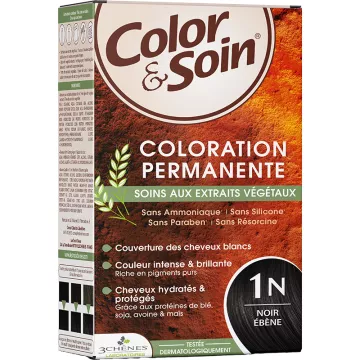
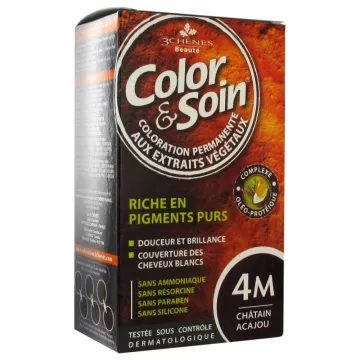
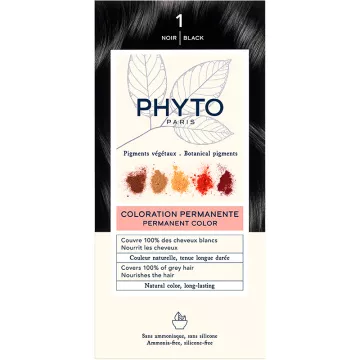
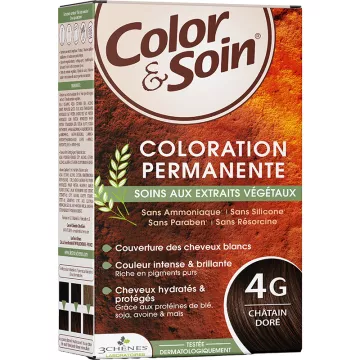
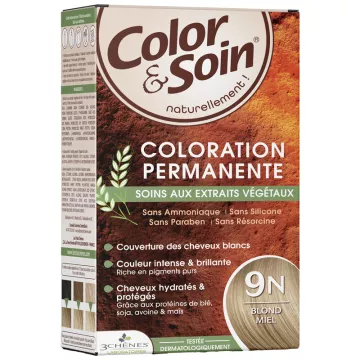
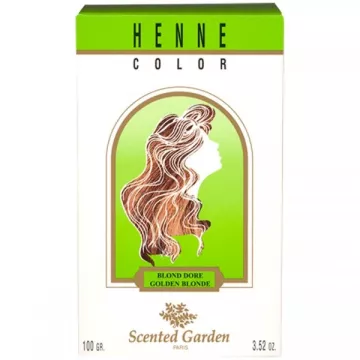
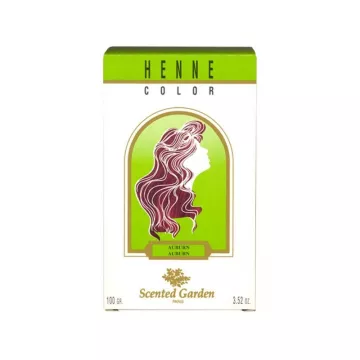
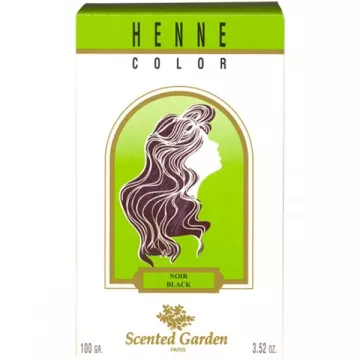
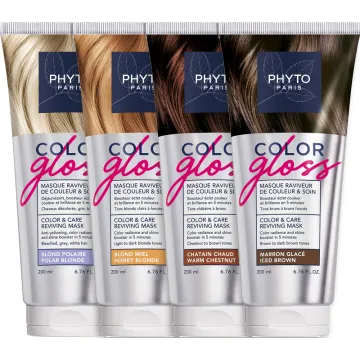
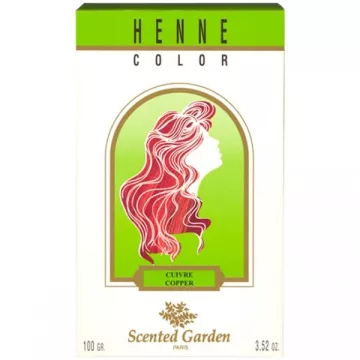
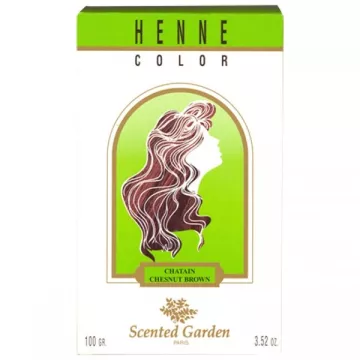
Hair color comes in several types, depending on how long the color lasts and how it works. Permanent hair color permanently changes the color by penetrating the cuticle to deposit pigment deep within the hair shaft: ideal for covering gray hair or making a dramatic change. Semi-permanent hair color, which is gentler on the hair, deposits pigment on the surface without altering the hair’s structure and fades after several washes. Temporary hair color, perfect for trying out a new look or a special occasion, washes out in one to two washes. For a gentler approach, natural hair color and henna offer plant-based alternatives. Each type meets distinct needs in terms of intensity and commitment.
Your hair color looks best when it complements your skin tone to enhance your natural features:
Your skin’s undertone (warm or cool) further refines your choice. If you’re unsure, consulting a professional colorist can help you avoid disappointment and tailor the shade to your natural hair’s appearance.
The main difference lies in the composition and the impact on the hair shaft. Ammonia-based hair dyes open the cuticle wide to allow pigments to penetrate deeply: while more effective at covering gray hair or achieving a radical change, they can be harsher on the scalp and hair shaft. Ammonia-free hair dyes use a substitute that opens the cuticle more gently, minimizing damage: they’re better suited for sensitive or damaged hair, and for those who prefer a gentler option—though this may sometimes result in slightly less long-lasting gray coverage. The choice therefore depends on your goal and the condition of your hair: maximum coverage or gentleness on the hair shaft.
A successful hair coloring requires preparation. Before: Always perform a skin sensitivity test 48 hours in advance to prevent any allergic reactions, and use a clarifying shampoo a few days beforehand to remove product residue that could interfere with color absorption. Afterward: Use products formulated for color-treated hair to maintain color intensity and nourish the hair shaft, space out washes to prolong shine, and regularly apply hydrating masks. A sulfate-free shampoo for color-treated hair minimizes color fade, while a suitable conditioner seals the cuticle and preserves shine. These simple steps make all the difference in how long the color lasts and its quality over time.
Preserving color starts withhydration and protection. Since coloring tends to dry out the hair shaft, deep conditioning treatments and nourishing plant-based oils—such asargan oil —rehydrate the hair and restore its suppleness. It’s essential to protect colored hair from the sun (UV rays cause fading) and from the heat of styling tools, which damage both the hair shaft and the color. Washing your hair less frequently, opting for lukewarm water instead of hot, and using products specifically formulated for colored hair will help prolong its vibrancy. Hair coloring is part of an overall hair care routine: the better the hair fiber is maintained and nourished, the better it retains pigments and maintains a healthy, luminous appearance despite repeated color treatments.
Two preliminary tests are strongly recommended. The skin sensitivity test, performed 48 hours in advance, involves applying a small amount of the product to the inner elbow or behind the ear to detect any allergic reaction: this is essential, as some hair dyes can cause reactions that are sometimes severe. The strand test involves applying the hair color to a small, inconspicuous strand—ideally at the nape of the neck—following the instructions and processing time. It allows you to check the actual color result, which may differ from what you expect depending on your natural hair color, and to make adjustments before applying the color to your entire head. These two precautions help prevent both unpleasant aesthetic surprises and skin risks, and are particularly useful when using a product for the first time or switching brands.
Pregnancy calls for special caution. Pregnant women are generally advised to consult their healthcare provider before dyeing their hair. While most modern hair dyes are considered to pose a low risk, chemicals can be absorbed through the skin, and the precautionary principle applies during this time. Ammonia-free hair dyes, the most natural products, or techniques that do not come into contact with the scalp (highlights, balayage) are often preferred. Many women choose to wait until the second trimester or even postpone coloring altogether. Since this is a health-related issue, the advice of a doctor or midwife takes precedence over any general recommendation: only a healthcare professional can provide advice tailored to an individual’s specific situation and medical history.
To preserve the health of your hair, it’s advisable to wait at least 4 to 6 weeks between two permanent color treatments, to allow the hair shaft to rest. For semi-permanent or temporary color treatments, which are less harsh, the interval can be shorter. Always assess the actual condition of your hair before coloring it again: hair that’s already weakened is better off waiting. After another chemical treatment (straightening, relaxer, perm), waiting at least two weeks before coloring helps avoid further damage to hair that’s already been stressed. Hair coloring can indeed stress and damage the hair’s structure, especially if done repeatedly without proper care. A professional hairstylist can assess the health of your hair and determine the best schedule to balance your desire for color with the need to protect your hair.