What causes gray hair?
Gray hair appears when hair follicles gradually stop producing melanin, the pigment that gives hair its color. Without pigment, the hair grows in white or gray (a mix of pigmented and white hair). The main cause is natural aging, but genetics largely determine the age at which it begins: if your parents went gray early, you’re likely predisposed to it. Factors such as stress, smoking, or certain nutritional deficiencies can accelerate the process. This is a normal physiological process, not a disease. You don’t “treat” gray hair; you choose to embrace it or cover it up. Whichever option you choose, a tailored hair care routine will preserve your hair’s beauty and luster.
Can gray hair be prevented or reversed?
- There is no proven method for naturally repigmenting hair that has already turned gray
- No approved medical treatment can reverse graying (possible repigmentation methods are being studied, but they are still experimental)
- Since genetics and age remain the determining factors, the best one can do is slightly delay the process
Therefore, be wary of “miracle” products that claim to restore natural color. For any medical questions regarding premature or sudden graying, consulting a dermatologist is the safest course of action.
Do diet and supplements play a role?
Diet doesn’t work miracles, but it supports the health of hair pigments. A deficiency in certain nutrients— vitamin B12, iron, copper, and zinc —can accelerate graying in people with these deficiencies. Copper, in particular, plays a direct role in pigmentation (as a cofactor for tyrosinase, a key enzyme in melanogenesis). Prioritize a balanced and varied diet that is naturally rich in these elements.
- Vitamin B12: a common deficiency among vegetarians and vegans—associated with premature graying—serum testing is recommended before starting any supplementation
- Copper: a cofactor in melanogenesis—sources include seafood, liver, nuts, and legumes—supplementation only if a deficiency is confirmed (excessive amounts are toxic)
- Zinc and iron: Deficiencies can weaken hair follicles and affect pigmentation—a blood test is recommended before starting any supplementation
- There is no scientific evidence that these supplements prevent age- or genetically-related gray hair in individuals without a deficiency—consultation with a healthcare professional is essential before starting supplementation
How to cover gray hair?
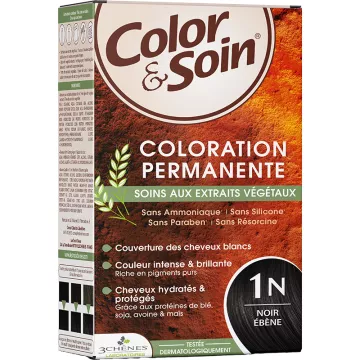
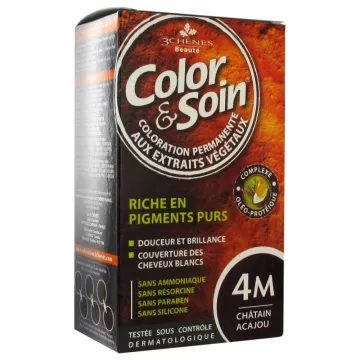
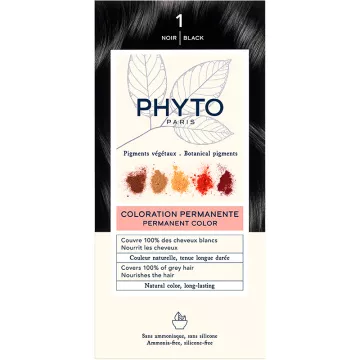
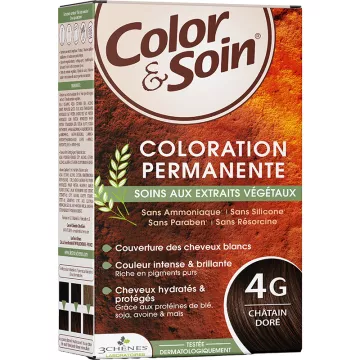
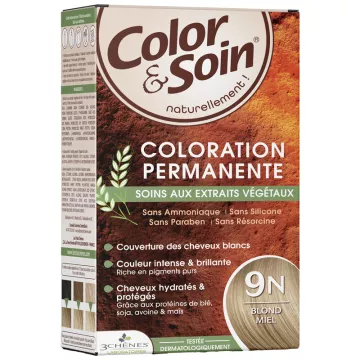
- Permanent hair dyes: long-lasting, full coverage—regular touch-ups at the roots every 4 to 6 weeks—ammonia-based or ammonia-free depending on tolerance
- Semi-permanent hair dyes: gentler, they fade gradually with each shampoo — ideal for a gradual transition or for testing a color — see the hair color line
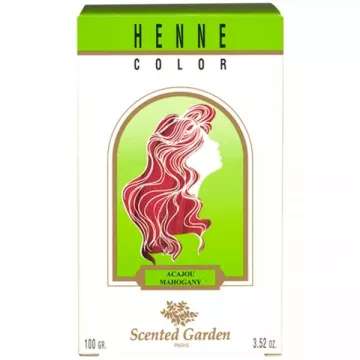
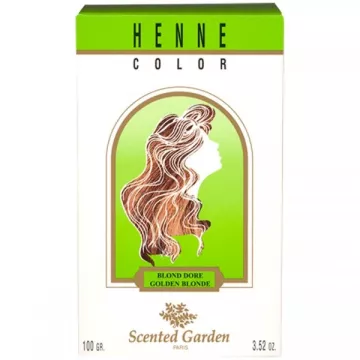
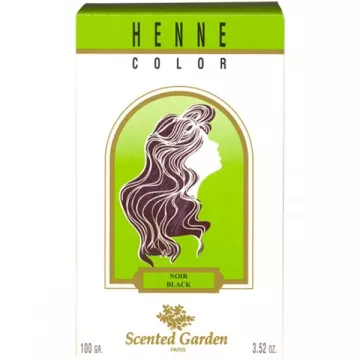
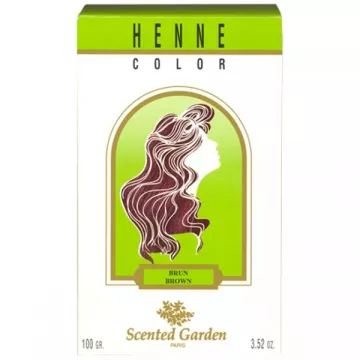
- Henna and plant-based hair dyes: provide natural highlights with the added benefit of coating the hair shaft — gray coverage varies by formula (pure henna, coloring henna) — a 48-hour patch test is required
- Mascaras and hair powders: a temporary solution for concealing roots between color treatments
How does hair coloring affect gray hair?
Gray hair often has a coarser, drier strand that is more resistant to coloring, as the loss of pigment is accompanied by structural changes in the keratin. Hair color can dry out and weaken the hair shaft if used too frequently or with strong ammonia—regular conditioning treatments (masks, shampoo for colored hair) help maintain softness and shine. It’s recommended to perform a sensitivity test 48 hours before coloring—the risk of an allergy to hair dyes doesn’t disappear with age.
How can you enhance and care for gray hair?
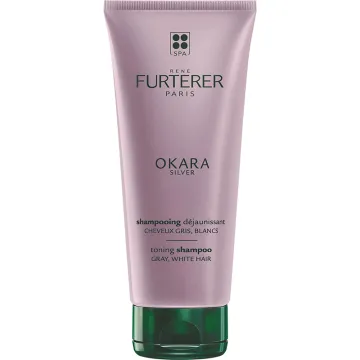
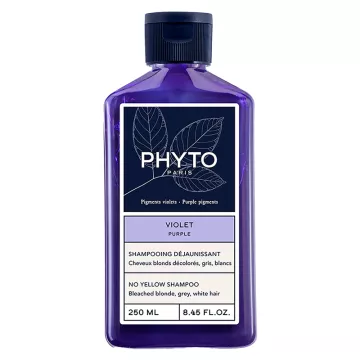
More and more people are choosingto embrace their gray hair, which offers an elegant texture and contrast. Short to medium-length cuts (bob, pixie) beautifully highlight its shine and movement. A common challenge: gray hair can turn yellow (due to pollution, sun exposure, or product buildup)—anti-yellowing treatments with violet pigments neutralize these unwanted tones and restore shine. When it comes to care, focus on hydration, as this hair type is often dry:
- Coconut oil: nourishes and adds shine—apply as a deep treatment before shampooing or as a finishing touch on the ends
- Argan oil: rich in vitamin E and fatty acids—combats dryness and frizz—apply a few drops to slightly damp hair
- Aloe vera gel: hydrates and reduces breakage — soothes the scalp
- Stress management (meditation, exercise, sleep), sun protection for the hair (UV rays break down keratin and accelerate yellowing)—whether embraced or colored, well-maintained gray hair is a real asset