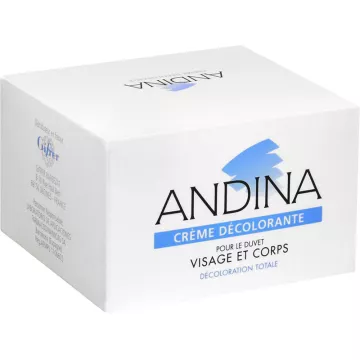
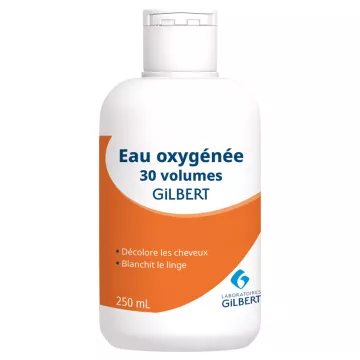
Bleaching is a chemical process that removes the hair’s natural melanin using an oxidizing agent (hydrogen peroxide) combined with an alkalizing powder. Unlike traditional hair coloring, which deposits pigment onto the hair shaft, bleaching opens the hair cuticle and destroys existing pigmentation, making it the most aggressive of all hair-color-changing techniques. The result depends on the volume of oxidizing agent used and the processing time, and significant lightening almost always results in damaged hair.
Coloring adds pigments to the hair shaft without necessarily lightening it deeply, whereas bleaching removes existing pigmentation by opening the cuticle more significantly. This difference in mechanism explains why bleached hair often becomes more porous and brittle than hair that has simply been colored, which is why it’s essential to use a reparative conditioner starting with the very first wash after the bleaching process.
The oxidative process involved in bleaching dissolves some of the proteins and lipids naturally present in the hair shaft, increasing its porosity and reducing its elasticity. Bleached hair retains moisture less effectively and breaks more easily, especially along the lengths and at the ends. Applying argan oil as a treatment before or after the bleaching process helps limit lipid loss and soften the weakened hair shaft.
The scalp is directly exposed to alkalizing and oxidizing agents during application, with a risk of a sensation of heat, tingling, or even superficial burns if the product is left on too long or if the concentration is not appropriate. A patch test 48 hours before application is recommended, especially for people with sensitive scalps. Avoid applying the product to a scalp that is already irritated or damaged.
After bleaching, the priority is to repair the hair fiber and maintain hydration: use gentle shampoos free of harsh sulfates, apply nourishing masks regularly, and limit exposure to heat sources (straighteners, high-temperature hair dryers). For a comprehensive, long-term routine tailored to this specific hair type, the page dedicated to bleached hair details the steps for ongoing care.
Hair should never be bleached if it’s already weakened by a recent chemical treatment (perms, straightening, or previous bleaching done too soon) without allowing sufficient recovery time. If you have an irritated scalp or skin lesions, it’s best to postpone the treatment. A strand test before full application helps predict the result and the expected level of damage, and professional guidance is recommended for significant lightening or hair that has already undergone chemical treatment.