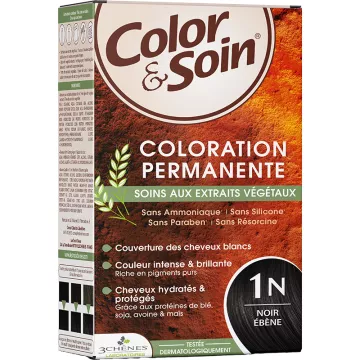
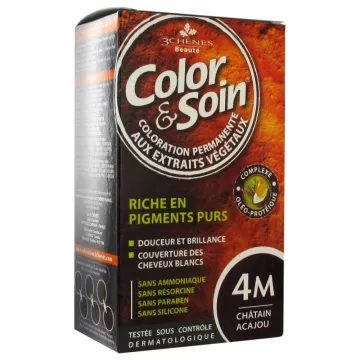
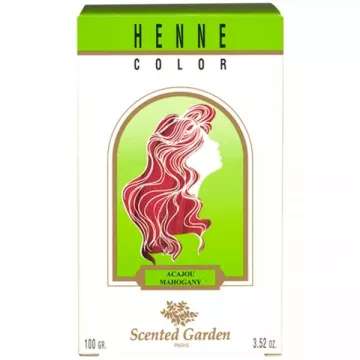
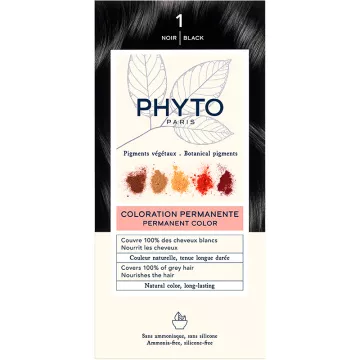
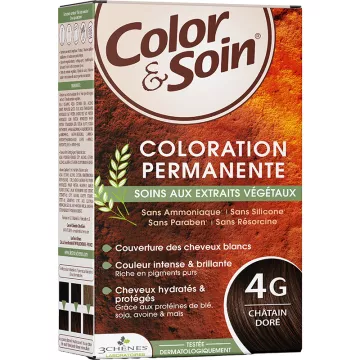
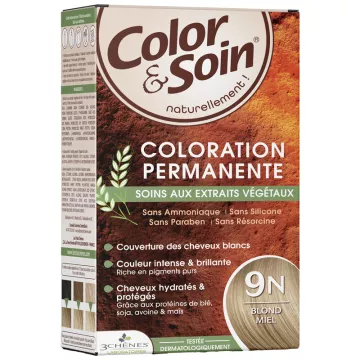
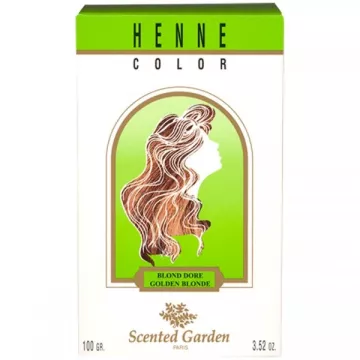
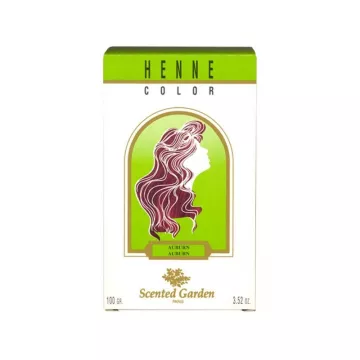
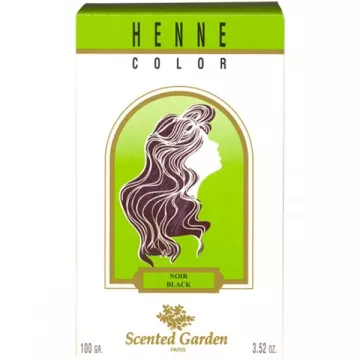
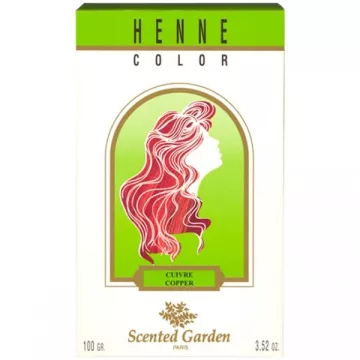
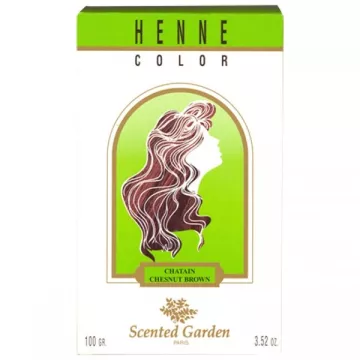
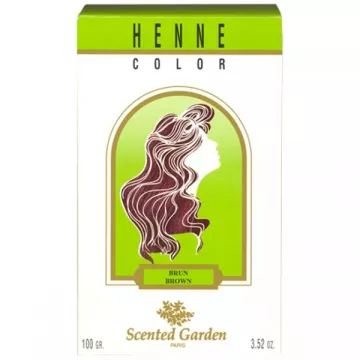
Natural hair coloring is an alternative to chemical hair coloring that uses products derived from plant and mineral sources to change the color without altering the hair’s internal structure. Particularly prized for its gentleness and nourishing properties, it relies on ingredients such as henna, indigo, cassia, and chamomile. Unlike chemical hair coloring, which penetrates the cortex, natural hair coloring deposits pigments on the cuticle, on the surface. This approach appeals to those seeking an option that is gentler on their hair and more environmentally friendly, while accepting a more limited color palette and a more subtle result.
Natural hair coloring works by depositing pigments on the cuticle without penetrating the cortex, whereas chemical dyes alter the internal structure. Its main benefits:
Henna also has the benefit of adding body to fine hair by coating the hair shaft.
Several factors guide the choice of a natural hair color. First, hair type: certain formulations are better suited for dry, oily, or normal hair. Next, the desired color: the natural color palette is limited (red, brown, black), with results depending on the hair’s natural base color. Finally, the ingredients: check for hidden chemical ingredients (some so-called “neutral” or “coloring” henna products contain additives, or even metal salts that are incompatible with other treatments) and opt for organic certifications and 100% pure henna. Carefully reading the list of ingredients helps you avoid unpleasant surprises and ensures the product is truly natural, which guarantees gentleness for the hair shaft and scalp.
Natural hair color can cover gray hair, particularly with henna, but the result differs from chemical hair color: henna gives gray hair coppery highlights, and combining it with indigo yields darker brown shades. Coverage may require more frequent applications to remain optimal. In terms of longevity, natural hair color generally lasts 4 to 6 weeks—shorter than chemical hair color—because it settles on the surface of the cuticle rather than deep within the hair shaft. This duration varies depending on hair porosity and how often you wash your hair. Henna, however, is an exception: it builds up and permanently stains the hair shaft, making it difficult to reverse—something to keep in mind before you start.
Applying henna at home involves a few key steps. Prepare the mixture according to the instructions—often a paste that may need to sit for a while in the case of henna. Apply evenly to clean, dry hair, strand by strand, while wearing gloves. Allow the mixture to sit for the recommended time, which is generally longer than for chemical hair dye (sometimes several hours for henna). Rinse thoroughly with clean water, without using harsh shampoo immediately afterward, to allow the pigments to set. The henna color may continue to oxidize and darken within 24 to 48 hours after application. Patience and careful application are the keys to an even result. A nourishing conditioner can be used in the days following application to soften the hair shaft.
After a natural hair color treatment, opt for gentle products formulated for colored hair that preserve shine and nourish the hair shaft. To make the color last: space out washes to preserve the pigments, use a gentle, sulfate-free shampoo for color-treated hair, protect your hair from the sun and excessive heat—which accelerate color fading—and reapply the color regularly depending on how quickly it fades. Regular moisturizing treatments also help maintain the hair’s suppleness. These simple steps are part of a gentle hair care routine that aligns with the gentle approach of natural hair coloring. The better you care for your hair, the longer the color will retain its intensity and radiance.
Achieving vibrant colors with natural hair coloring is more complex than with chemical methods. Natural ingredients (henna, indigo, cassia) primarily offer shades of red, brown, and black; specific blends and repeated applications can expand the palette, but the results remain more subtle than those of synthetic dyes. Natural dyes are generally suitable for all hair types, but the final result depends on texture and porosity: porous hair absorbs color more quickly and intensely. Important: You cannot lighten hair with natural hair color, which merely adds pigments. For drastic changes or lightening, only chemical techniques are effective, though they have a more significant impact on the hair shaft.
The transition from chemical hair dye to natural hair dye requires patience and caution. First, let your hair rid itself of chemical residues using clarifying shampoos, give it time to rest with nourishing treatments, then start with light applications to test the reaction and adjust gradually. Warning: Applying henna to hair that has recently been chemically colored (or vice versa) can lead to unpredictable results—or even reactions—due to the presence of metal salts. As for safety, although the risks are low, allergies are still possible: a skin sensitivity test 48 hours before application—behind the ear or on the wrist—is essential. If in doubt, especially during a complex transition, consulting a professional hairstylist can help avoid many disappointments.