Natural hair shine is, above all, a reflection of healthy, well-hydrated hair strands. To achieve this, adopt a routine that deeply nourishes and hydrates: shampoos and conditioners enriched with plant oils and nourishing active ingredients improve the quality of the hair strands and enhance their shine. Conversely, limit the use of heat styling tools and harsh chemical treatments, which damage the cuticle and reduce its ability to reflect light. That’s where it all comes down to: shine depends on the condition of this outer layer of the hair. When smooth and tightly sealed, it reflects light like a mirror; when damaged and raised, it scatters light and dulls the hair. Understanding this mechanism is the key to a hair care routine that truly focuses on shine.
Products formulated for shine often contain active ingredients that smooth and coat the cuticle:
These ingredients help smooth the cuticle for better light reflection. Lightweight serums and sprays are applied to dry hair for an immediate boost of shine, ideally on the mid-lengths and ends. For dry hair, richer formulas are more suitable.
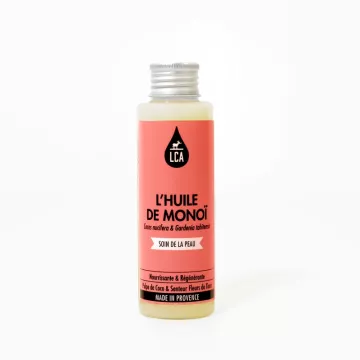
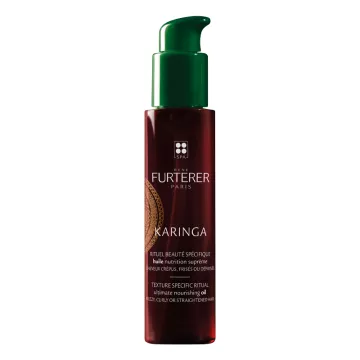
Plant-based oils are among the best allies for shine.Argan oil, jojoba oil, andcoconut oil work by nourishing the cuticle and sealing in moisture within the hair shaft, which reduces frizz and enhances light reflection on the hair’s surface. The result: smoother, more supple, and shinier hair. For best results, apply a small amount of oil to the ends of damp or dry hair, carefully avoiding the roots to prevent weighing it down or making it greasy. Jojoba oil, whose composition is similar to sebum, is particularly well-tolerated and lightweight. An oil treatment before shampooing provides deep shine-boosting care. The secret lies in the amount used: too much oil weighs hair down and dulls it, while just the right amount enhances its natural shine.
Yes,hard water—rich in minerals like calcium and magnesium—is an underrated enemy of shine. With each wash, it leaves mineral deposits on the hair shaft, making its surface rough and less reflective, resulting in dull hair that sometimes feels coarse to the touch. These deposits can also weigh down the hair and make it difficult to style. To remove this buildup, using a clarifying shampoo occasionally—or rinsing with diluted apple cider vinegar—helps dissolve mineral residues and restore softness and shine. In areas with very hard water, a final rinse with filtered or mineral water can make all the difference. This explains why hair can look dull despite a good hair care routine: the quality of the rinse water is an often-overlooked but very real factor in shine.
A few simple steps help maintain shine every day. Gentle brushing with a natural-bristle brush distributes the scalp’s sebum along the hair shafts, nourishing them and giving them a natural shine—since sebum is the hair’s natural moisturizer. Brush gently, starting at the ends. Protect your hair from heat and sun by using protective products and limiting exposure, as these factors dry out the hair and cause it to lose its luster. Avoid washing your hair too often, as this strips away protective sebum and can, through a rebound effect, disrupt the scalp’s natural balance. A final rinse with cold water closes the cuticles and boosts shine. These simple habits, when practiced regularly, make a real difference over time. Shine isn’t just about products—it’s also the result of good habits that preserve the integrity of the hair shaft and its ability to reflect light.
Amino acids are the building blocks of keratin, the protein that forms the hair’s structure. Products enriched with amino acids help coat the hair shaft and fill in areas of the cuticle damaged by environmental stressors, which smooths the surface, reduces breakage, and improves light reflection. The result is hair that looks smoother, stronger, and shinier. However, it’s important to note that while these products improvethe hair’sappearance and behavior on the surface, they do not actually “rebuild” structurally damaged hair—since hair is dead matter, its internal damage is irreversible. Amino acid-based products are therefore particularly useful on damaged or porous hair to temporarily improve its shine and texture—acting more as a cosmetic coating than a deep repair—while you wait to trim off the damaged ends.
Chemical treatments (coloring, bleaching, permanent straightening) can compromise shine by damaging the cuticle and making the hair more porous, thus less able to retain moisture. Following these treatments with intensive care (hydrating masks, protective treatments) and products for color-treated hair helps minimize the damage. When it comes to diet, omega-3s, vitamins A, C, and E, and minerals like zinc and iron support hair health—zinc helps maintain normal hair. Finally, stress can dull the hair and disrupt sebum production: relaxation techniques, exercise, and a balanced diet improve the overall condition of the hair. Shine and hair health go hand in hand, and are nurtured as much from the inside as through external care.