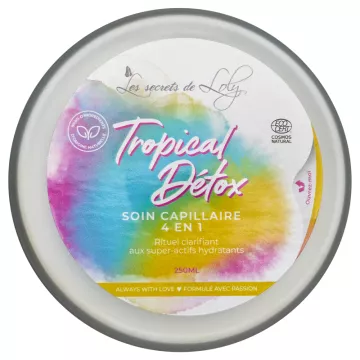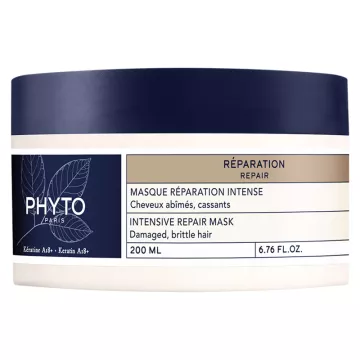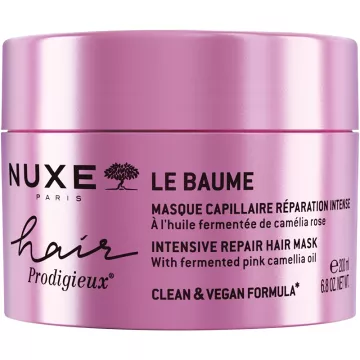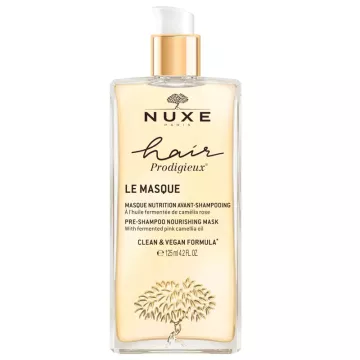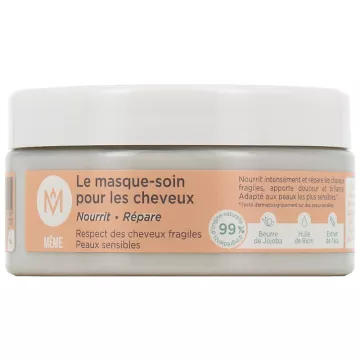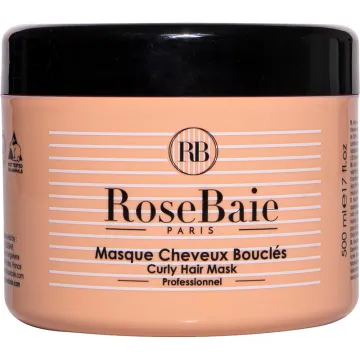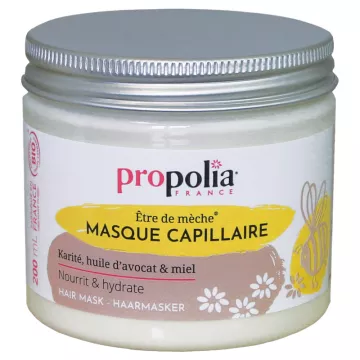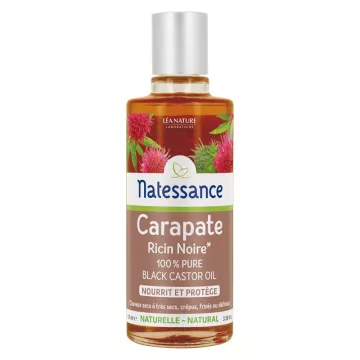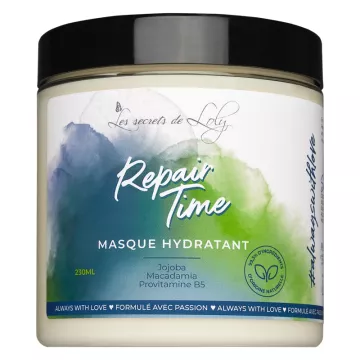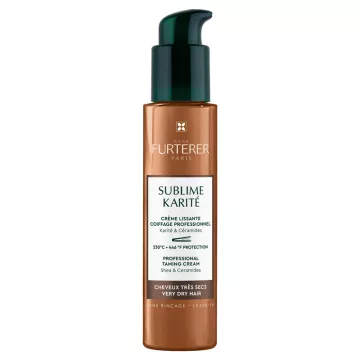
Very dry hair suffers from a marked lack of moisture and nutrients, as its cuticle can no longer retain water. Several factors contribute to this: environmental stressors (wind, sun, pollution), repeated chemical treatments (coloring, straightening), frequent use of high-temperature styling tools, and inappropriate hair care products such as harsh shampoos or the lack of moisturizing products. Unlike ordinary dry hair, very dry hair suffers from intense dryness that requires particularly rich treatments and a tailored routine. Often, it is the accumulation of multiple stressors that leads to this extreme condition. Identifying and reducing these factors is the first step before implementing an intensely nourishing and restorative hair care routine.
There are several signs that indicate very dry hair:
If your hair feels fragile and brittle and absorbs hair care products without ever looking nourished, it’s likely severely dry. This type of hair often falls into the “damaged hair” category, as extreme dryness weakens the hair shaft and leads to split ends and breakage.
The priority is to nourish and deeply moisturize the hair on a regular basis. Use shampoos and conditioners rich in nourishing ingredients such as shea butter,argan oil, orcoconut oil. Apply a deep treatment once or twice a week for intense nourishment, leaving it on. Leave-in treatments and oils applied to the ends help lock in moisture daily. It’s essential to avoid direct heat sources and opt for air-drying instead. A shampoo specifically formulated for dry hair forms the foundation of your routine. The goal is to rebuild a protective barrier and retain moisture within the hair shaft: it’s the consistency and richness of your treatments—rather than using them haphazardly—that will bring about a lasting transformation in the appearance of very dry hair.
For very dry hair, look for highly nourishing and moisturizing active ingredients that combine two actions: providing hydration and sealing moisture into the hair shaft. Rich plant oils— jojoba, avocado, coconut, and argan—nourish and create a protective film. Shea butter intensely coats and softens the hair.Aloe vera provides light, soothing hydration. Proteins (silk, keratin) strengthen the hair’s appearance and resilience. Ideally, combine a humectant (which attracts water, such as glycerin or aloe vera) with an occlusive agent (which locks it in, such as oils and butters) to provide both immediate and long-lasting hydration. Checking the INCI list allows you to verify that these ingredients are listed near the top. This targeted combination makes all the difference for very dry hair, where a single type of active ingredient would be insufficient.
Yes, a hot oil treatment is one of the most effective treatments for very dry hair. It involves applying a slightly warmed plant-based oil (olive, coconut, argan) to the scalp and hair lengths—ideally before shampooing—and then letting it sit under a warm towel or a shower cap. The gentle heat helps the oil penetrate the hair shaft more effectively and nourish it deeply. This treatment restores suppleness, shine, and comfort to very dry or damaged hair. Important: Warm the oil slightly —never overheat it—to avoid burning the scalp or altering the oil’s properties. A weekly oil treatment is usually sufficient. It’s an economical, natural treatment that’s particularly well-suited for severe dryness and perfectly complements a nourishing hair care routine. For very damaged ends, you can even leave it on overnight—with your hair protected—before washing with a gentle shampoo in the morning.
On a daily basis, adopt a gentle, protective routine. Wash with mild formulas free of harsh sulfates and space out washes to preserve the hair’s natural protective sebum. Moisturize regularly with suitable oils or creams, especially on the ends. Brush gently after detangling with a wide-tooth comb to prevent breakage. Minimize the use of heat styling tools as much as possible and apply a heat protectant if necessary. A final rinse with cold water closes the cuticles and helps lock in moisture. At night, sleeping on a silk or satin pillowcase reduces friction and does not absorb sebum—unlike cotton—thereby preserving moisture while you sleep. These simple steps, when followed consistently, make a real difference: a regular, tailored routine is better than occasional intensive treatments followed by neglect.
To prevent dryness, protect your hair from damage (wear a hat in the sun, use products with UV filters, and rinse your hair after swimming) and avoid shampoos with harsh sulfates. When it comes to diet, omega-3s, vitamins A, C, and E, and minerals like zinc and iron support hair health—with zinc and biotin helping to maintain normal hair. Staying well-hydrated by drinking enough water contributes to overall health. As for dietary supplements, they can help in cases of proven deficiency—ideally confirmed by a blood test—but they do not magically “stimulate” hair growth, which is genetically determined. They support the quality of newly produced hair strands without altering existing hair. A balanced diet generally meets these needs; supplements are meant to provide targeted support, not a miracle cure for damaged hair.