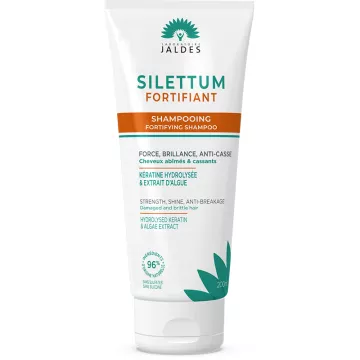
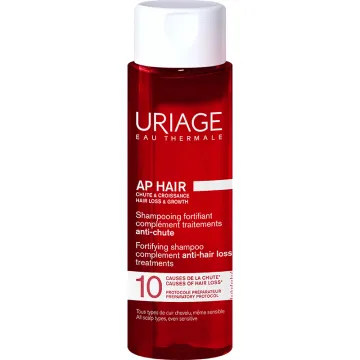
A fortifying shampoo differs from a regular shampoo in that it contains active ingredients specifically designed to strengthen the hair shaft and promote the health of the hair follicle. While a gentle shampoo simply cleanses without causing irritation, a strengthening shampoo simultaneously provides essential nutrients for keratin (sulfur-containing amino acids, biotin, zinc) and active ingredients that stimulate microcirculation in the scalp (rosemary, ginger, mint, caffeine). These formulas are particularly recommended for gray hair (which loses keratin with age and becomes structurally more fragile), hair weakened by chemical treatments, and people experiencing reactive hair loss (due to stress, postpartum, or nutritional deficiencies).
Strengthening shampoos rely on two complementary categories of active ingredients:
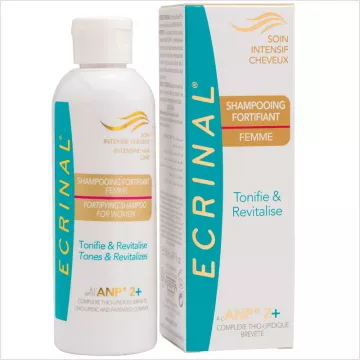
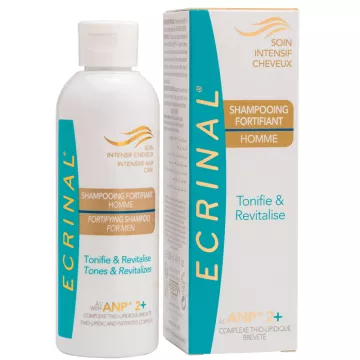
ANP2 (amino-nitro pro-keratin), a patented active ingredient specific to professional anti-hair loss lines, rebuilds the keratin sheath from the inside and strengthens the hair fiber’s mechanical resistance to tensile stress and heat damage.
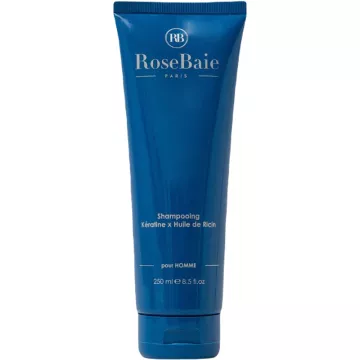
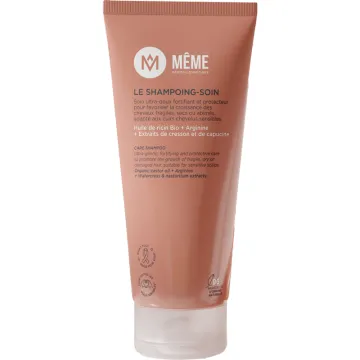
Castor oil (80–90% ricinoleic acid, hydroxylated omega-9) is the most debated active ingredient in hair science. Its high viscosity forms a protective film around the hair shaft and reduces friction between strands during detangling—which limits mechanical breakage. Ricinoleic acid is also thought to stimulate local microcirculation through mild vasodilation. In strengthening shampoos, it is present in limited quantities (2–5%) to avoid weighing down thick hair. Its most effective use remains applying it undiluted to the scalp before shampooing to stimulate growth through massage.
Dietary supplements (biotin, zinc, L-cysteine, methionine, organic silicon) provide the building blocks for keratin from within. Fortifying shampoos work from the outside by strengthening existing hair fibers and stimulating microcirculation. These two approaches are more effective when used together than separately—a treatment course of at least 3 months is necessary to evaluate the results. A blood test is recommended before starting treatment: nutritional deficiencies (iron, zinc, biotin, vitamin D) are the leading cause of reactive hair loss. Concurrent nail damage often indicates a biotin or zinc deficiency.
Strengthening shampoos for men address specific needs: the male scalp generally produces more sebum (due to androgens), and men are more frequently prone to androgenetic alopecia. Formulas for men combine sebum-balancing surfactants, anti-DHT active ingredients (saw palmetto, pygeum), and circulation-boosting active ingredients (caffeine, ginger, rosemary). For men with curly hair—which is particularly prone to dryness and breakage—sulfate-free strengthening formulas with nourishing active ingredients (keratin, castor oil) are recommended.
A strengthening shampoo is not one-size-fits-all—your choice should be based on your hair type. For very fine and oily hair, lightweight strengthening formulas (free of heavy oils, based on caffeine and silicon) are preferable to formulas rich in castor oil or plant-based butters, which can weigh the hair down. For dry and damaged hair, formulas rich in keratin and nourishing active ingredients (ANP2, castor oil, proteins) are ideal. Using a strengthening shampoo alternately with a gentle shampoo (every other wash) is often the most effective approach to avoid overloading the scalp with active ingredients and to maintain sebum balance. If hair loss persists despite 3 months of a comprehensive strengthening routine, it’s advisable to consult a dermatologist or trichologist to identify any underlying causes.