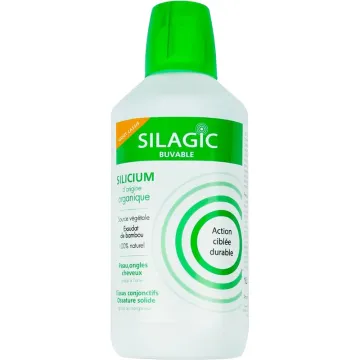
What is silicon, and what is its biological role?
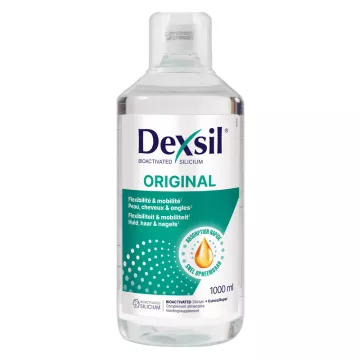
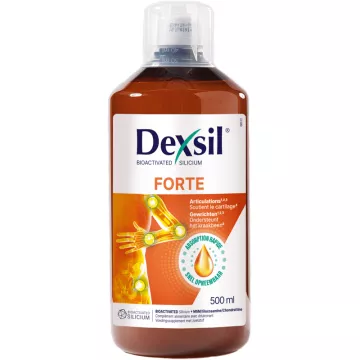
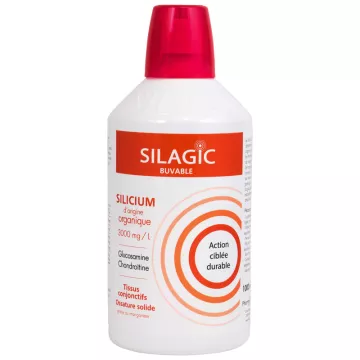
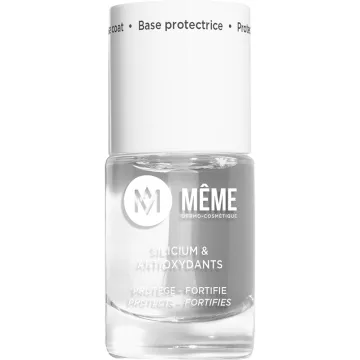
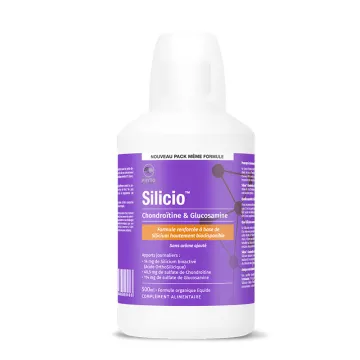
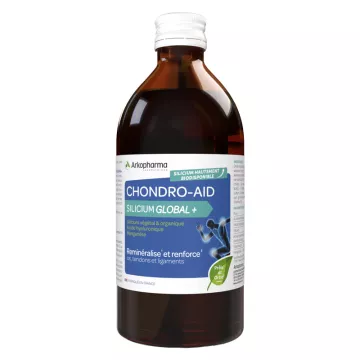
Silicon (Si, atomic number 14) is a metalloid found in the body in the form of organosilicon complexes—concentrated in the bones (30–35 ppm), skin, blood vessels, lungs, and hair. It is the third most abundant trace element in human tissues. Distinct from mineral silica (SiO₂), biological silicon plays a role in the structure of connective tissue, the synthesis of glycosaminoglycans, and the elimination of certain heavy metals. Discover our anti-aging skincare products and our chondroitin and joint formulas enriched with silicon.
- Type I and III collagen: Silicon acts as a cofactor for prolyl hydroxylase and lysyl hydroxylase—enzymes that hydroxylate the proline and lysine residues in procollagen—without sufficient hydroxylation, collagen cannot form its stable triple helices → fragile connective tissue + impaired wound healing
- Vascular elastin: Silicon binds to the carboxyl groups of elastin, contributing to arterial elasticity—its decline with age in the arterial wall correlates with arterial stiffness and the deposition of atherosclerotic plaques (accumulation of calcium and silicon in atherosclerotic plaques)
- Glycosaminoglycans (GAGs) and endogenous hyaluronic acid: silicon is involved in the polymerization of GAGs—hyaluronic acid, chondroitin sulfate, heparan sulfate—major components of articular cartilage—and acts synergistically withhyaluronic acid when taken as a supplement
- Heavy metal chelation: silicon forms complexes with aluminum (Si-Al-OH) → reduces intestinal absorption of aluminum—clinical data on the reduction of aluminum burden in Alzheimer’s patients taking silicate-rich water—a detoxification mechanism not specific to heavy metals alone
- Bone density and mineralization: silicon is present in active areas of bone calcification — activates osteoblast differentiation via signaling pathways (Runx2, BMP-2) — silicon intake correlates positively with BMD (bone mineral density) in epidemiological studies
Dietary sources and daily requirements
- Average daily intake: 20–50 mg/day in Western countries — intestinal absorption of soluble silicon (Si(OH)₄ = orthosilicic acid): 50–65% — phytate-bound silicon in grains: 2–10% absorption — bioavailability depends heavily on the chemical form
- Silicon-rich mineral waters: Volvic (32 mg/L of Si(OH)₄), Hépar (19 mg/L), certain still spring waters — orthosilicic acid in water is the most bioavailable form found in the diet — 1.5 L/day of Volvic → 48 mg of soluble silicon, 50–65% of which is absorbed
- Brown rice, oats, barley: phytate-bound silicon—low bioavailability without soaking or fermentation—however, significant sources if consumed regularly
- Green vegetables (spinach, leeks, green beans) and fruits (bananas, grapes): moderate levels of soluble silicon—daily dietary sources that contribute to baseline intake
- No official RDA established by EFSA for silicon—epidemiological studies suggest a protective intake of 25–40 mg/day for bones and blood vessels
Silicon, Collagen, and Anti-Aging
- Skin and collagen: silicon activates skin fibroblasts → production of type I and III collagen and elastin — clinical data: 10 mg/day supplementation with orthosilicic acid (ch-OSA) for 20 weeks → significant improvement in skin texture, hair thickness, and nail brittleness
- Hair: Silicon is incorporated into the structure of hair keratin — its concentration in the hair decreases with age and oxidative stress — supplementation → increased hair shaft diameter + reduced breakage — discover our anti-hair loss formulas
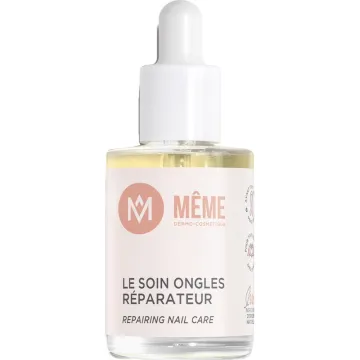
- Nails: Silicon strengthens the lamellar structure of the nail—prevents splitting and breakage—a minimum 3-month treatment course is needed for visible results
- Synergy withsodium hyaluronate: orthosilicic acid enhances the synthesis of endogenous hyaluronic acid by fibroblasts → synergistic anti-aging action — well-documented “inner beauty” formulas combining Si + HA + marine collagen
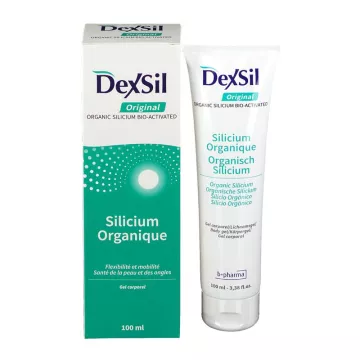
- External anti-aging gel: topical application of silicon gel — penetrates the epidermis and stimulates local fibroblasts — discover our anti-aging serums enriched with structuring active ingredients
Cardiovascular health, joints, and precautions
- Cardiovascular: Silicon maintains the elasticity of the arterial wall (elastin + vascular collagen) — epidemiological studies have found an inverse correlation between the silicon content of drinking water and cardiovascular mortality — silicon in atherosclerotic plaques promotes calcification at high concentrations → dual role depending on the context
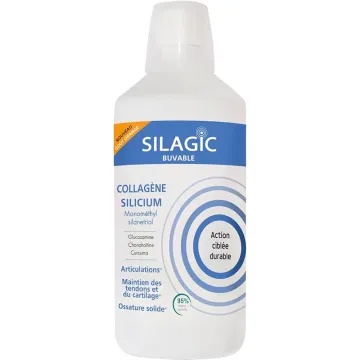
- Joints: Silicon stimulates the synthesis of GAGs (chondroitin, hyaluronic acid) in chondrocytes — combined with calcium, magnesium, and vitamin D3 in comprehensive osteoarticular formulas
- Contraindications and precautions: renal failure (reduced silicon filtration → accumulation → contraindicated) — anticoagulants (consult a doctor; possible interaction with coagulation) — crystalline silica powder: pneumoconiosis if inhaled chronically (≠ safe oral amorphous forms) — pregnancy: use with caution; consult a doctor
- Drug interactions: Take 2 hours apart from oral medications (may reduce absorption) — Do not combine with chelating resins (cholestyramine → reduces silicon absorption)
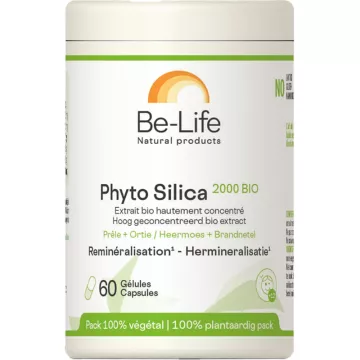
- Supplement dosage: 5–30 mg/day of bioavailable silicon (stabilized orthosilicic acid) — clinical studies on ch-OSA (choline-stabilized orthosilicic acid): the best-documented form — 3–6-month course of treatment for results on the skin, hair, and joints