What are the main causes of damaged nails?
Damaged nails (brittle, split, crumbly, misshapen, discolored) are often the result of a combination of factors:
- Repeated exposure to water and detergents (cooking, housework), acetone-based nail polish removers, and long-lasting and semi-permanent nail polish applied repeatedly without a break.
- Microtrauma (using nails as tools, nail-biting, friction).
- Nutritional deficiencies: iron (very common in women of childbearing age), zinc, biotin in cases of confirmed deficiency, vitamins A, C, and D, and protein.
- Systemic conditions: thyroid disorders, anemia, malnutrition, certain treatments (chemotherapy, oral retinoids, targeted cancer therapies).
- Dermatological conditions: nail psoriasis, lichen planus, periungual eczema.
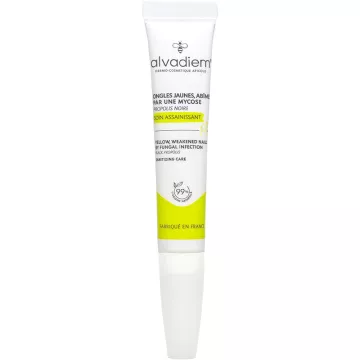
- Infections: onychomycosis (fungal) or paronychia (bacterial).
- Hormonal factors: menopause, postpartum, aging.
When nail damage sets in or is accompanied by other symptoms, a medical evaluation can help identify an underlying cause.
How can you prevent nail damage?
Several simple steps can help maintain healthy nails:
- Wear gloves when doing wet work, using detergents, or gardening.
- Limit the use of long-lasting and semi-permanent nail polishes, or take regular breaks (at least 1 to 2 weeks between every 2 to 3 applications).
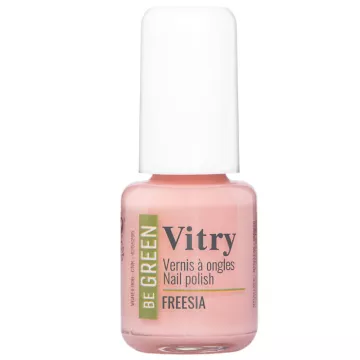
- Choose 3-free, 5-free, or 10-free nail polishes (free of formaldehyde, toluene, dibutyl phthalate, etc.). Formaldehyde is classified as a Group 1 carcinogen by the IARC; its concentration in cosmetics is regulated by Regulation (EC) No. 1223/2009.
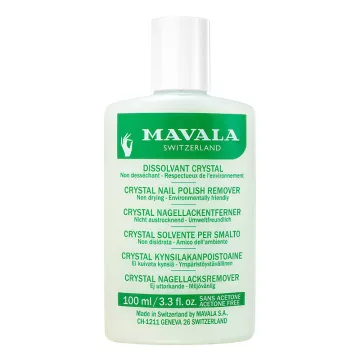
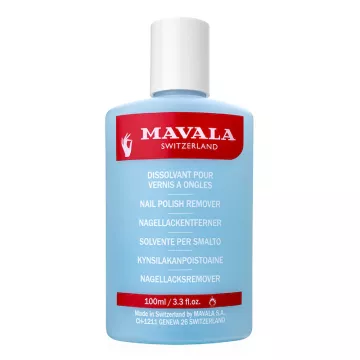
- Use an acetone-free nail polish remover, which is gentler on the nail bed.
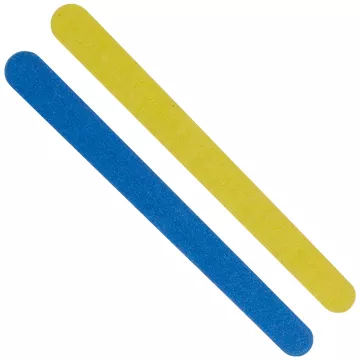
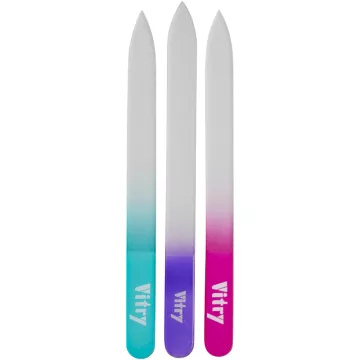
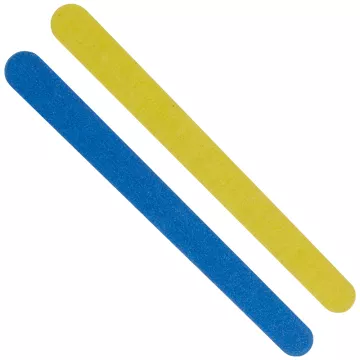
- Gently file in one direction only (do not go back and forth) using a fine-grit file.
- Moisturize the nail plate and cuticles daily.
- Eat a varied and balanced diet. See also “Nail Protection” for a detailed guide to preventive measures.
What is the best care for damaged nails?
To support the repair of damaged nails:
- Nourishing plant oils massaged into the nails in the evening: jojoba, castor, sweet almond, and argan. These have an emollient effect on the nail plate and the skin around the nails.
- Hand and cuticle creams containing glycerin, shea butter, panthenol (B5), allantoin, and ceramides.
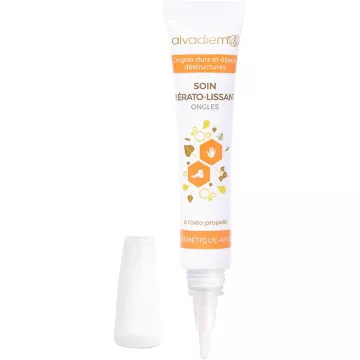
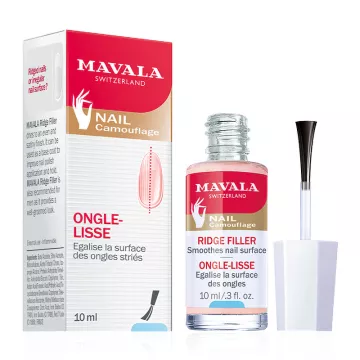
- “Cosmetic keratin” treatments or those containing hydrolyzed proteins: provide a surface-coating effect (since the visible part of the nail is already a dead structure).
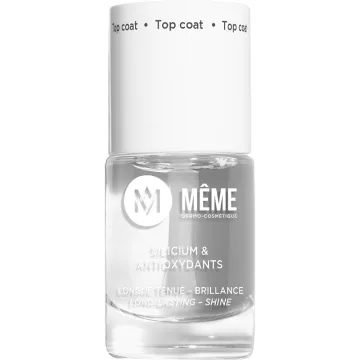
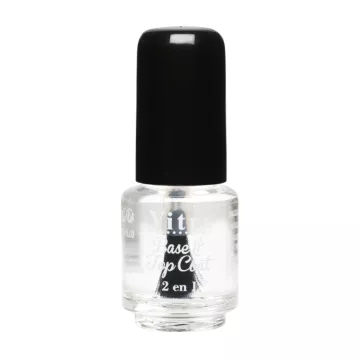
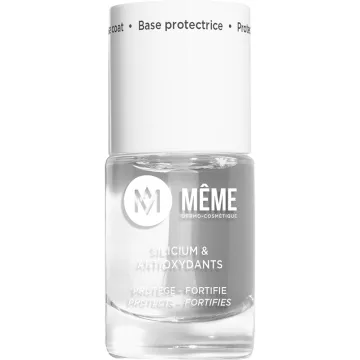
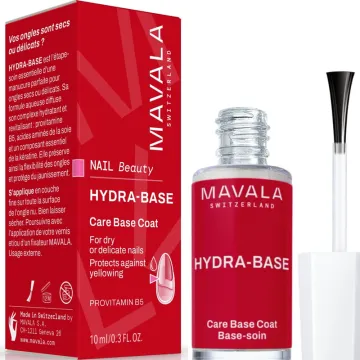
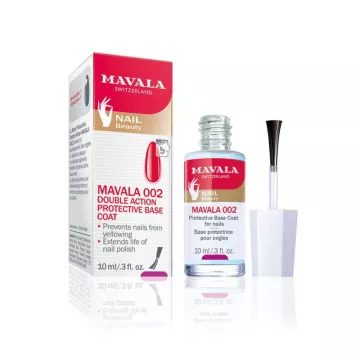
- Protective base coats and top coats applied under nail polish to limit the drying effect of the pigments.
- Take a break from nail polish for several weeks to allow the nail to regenerate (full regrowth: 4 to 6 months for fingernails, 9 to 12 months for the big toe nail).
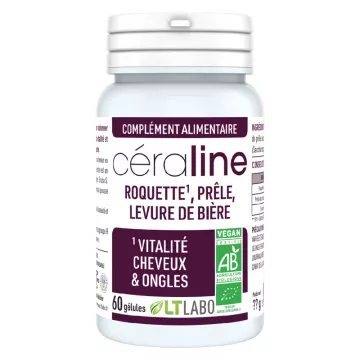
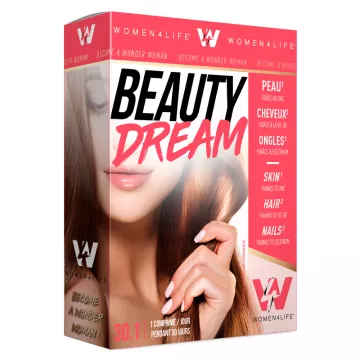
- Dietary supplements (biotin, iron, zinc): consult a pharmacist or doctor, ideally based on blood test results.
How can you quickly repair a broken nail?
For a broken nail at the free edge, with no bleeding or damage to the nail bed:
- Gently clean the area with warm water and mild soap.
- Dry thoroughly.
- File the edge to remove any sharp corners (use a fine-grit file, filing in one direction only).
- Apply a repair patch (silk, fiberglass) available at pharmacies or beauty stores: apply a thin layer of special adhesive, position the patch, let it dry, gently file away any excess, then cover with a protective base coat or a thin top coat.
- Leave it in place until the damaged area is replaced by natural nail growth.
If the break extends under the skin, bleeds, is painful, or if the area becomes red and warm (suspected periungual infection), see a doctor immediately, especially if you have diabetes, a weakened immune system, or are on anticoagulant medication.
What innovations are there for caring for damaged nails?
Several recent developments are advancing cosmetic repair:
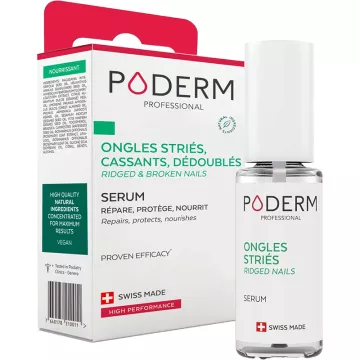
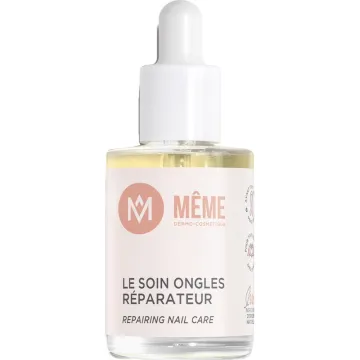
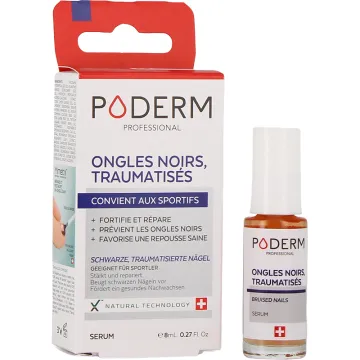
- Nail serums formulated with bioactive peptides, antioxidants, ceramides, and amino acids: claimed to support nail plate health; clinical evidence is emerging and should be evaluated on a case-by-case basis.
- So-called “breathable” nail polishes, or those permeable to water and air: offer cosmetic and practical benefits; evidence of a specific benefit for nail health remains limited.
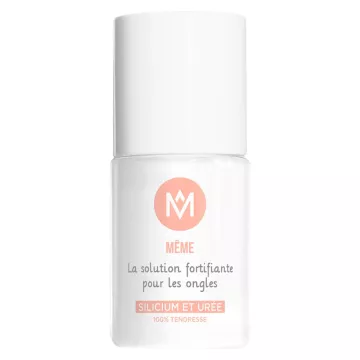
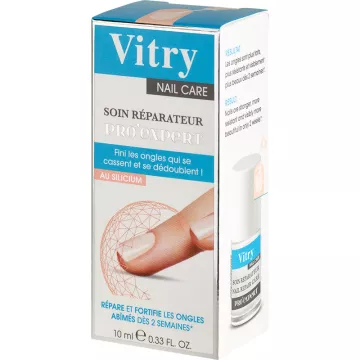
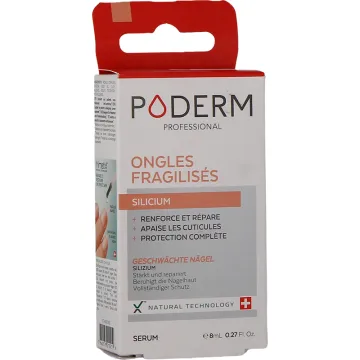
- Strengthening base coats enriched with silica, calcium, and vitamins: provide a protective coating on the nail surface.
- Easy-to-apply repair patches.
- Diagnostic tools in pharmacies or clinics (nail quality analysis) to guide recommendations.
What role does diet play in nail health?
A varied diet supports the nail’s intrinsic quality:
- Protein (particularly sulfur-containing amino acids): lean meats, fish, eggs, legumes.
- Iron: meats, organ meats, legumes, green vegetables (combine with vitamin C to promote the absorption of non-heme iron).
- Zinc: seafood, meats, nuts, and seeds.
- Biotin (B8): eggs, nuts, legumes. The effectiveness of supplementation is primarily demonstrated in cases of confirmed deficiency. Biotin may interfere with certain blood tests (particularly TSH): be sure to inform the lab.
- Vitamins A, C, D, E.
- Omega-3: fatty fish, nuts, flaxseeds, canola oil.
- Stay hydrated throughout the day.
What professional treatments are available for damaged nails?
At a salon or spa, several specialized manicure treatments can complement your at-home routine:
- A moisturizing manicure with a nourishing treatment, gentle cuticle care, and professional filing.
- Silk or fiberglass wraps to repair deep cracks.
- Professional strengthening base coats.
- Very light buffing (to be used sparingly, as excessive buffing thins the nail plate).
- Technical application or removal of semi-permanent polish by a trained professional to minimize damage to the surface layers.
A dermatologist is the appropriate professional to consult in cases of chronic fragility or persistent abnormalities; a state-certified pedicurist or podiatrist for toenails (particularly in cases of ingrown toenails, suspected onychomycosis, or diabetic foot). See also “Strengthening Brittle Nails” for an approach focused on nail fragility.
What are the risks associated with inexpensive manicure products?
Not all low-cost products are problematic, but some pose several risks:
- The presence of restricted or banned chemicals in imported products that do not comply with European Regulation EC 1223/2009 (formaldehyde exceeding limits, undeclared paraphenylenediamine, etc.).
- Unreliable shelf life and stability.
- Risk of allergic skin reactions (contact allergies to acrylic resins or certain photoinitiators in UV gels).
- Incomplete labeling, missing information.
- Long-term cumulative effects: dehydration, weakening, yellowing.
Choose CE-marked products distributed through recognized channels, with a legible INCI list. In the event of a severe allergic reaction (facial swelling, breathing difficulties suggestive of angioedema), call 15 or 112.
What is “therapeutic nail art” for damaged nails?
“Therapeutic nail art” is a marketing term referring to an approach that combines aesthetics with care: the use of 3/5/10-free polishes, strengthening base coats, and nourishing treatments, along with designs that require fewer layers of harsh chemicals. Some formulations include active ingredients such as vitamins, mineral powders, or plant oils. The cosmetic benefits are real; however, claims of specific clinical benefits should be viewed with a grain of salt, as few independent studies have objectively demonstrated any specific effect beyond that of a simple, well-executed cosmetic routine.
How does stress affect nails, and how can it be alleviated?
Chronic stress can affect the quality of the skin and nails:
- Breaking, brittleness, and slowed growth.
- Beau’s lines (marked transverse ridges) following a physically or medically stressful event (high fever, surgery, chemotherapy).
- Nail-biting or trichotillomania (repetitive behaviors) sometimes associated with anxiety.
Helpful strategies: regular physical activity, adequate sleep, breathing techniques (cardiac coherence), mindfulness meditation, sophrology, yoga, and psychological counseling if needed. A comprehensive approach to managing stress contributes to the health of your nails, hair, and skin.