What is nail care, and why is it important?
Nail care encompasses all preventive measures aimed at preserving the strength, flexibility, and integrity of both fingernails and toenails. Beyond aesthetic considerations, it contributes tooverall hygiene and helps prevent microtrauma, periungual infections (whitlow), and secondary brittleness. Nails can also reflect certain aspects of overall health; a lasting change in their appearance warrants professional attention.
How can you effectively protect your nails on a daily basis?
- Regular moisturizing: Apply cream or vegetable oil (jojoba, castor, sweet almond) to the nails and cuticles, ideally in the evening, with a gentle massage.
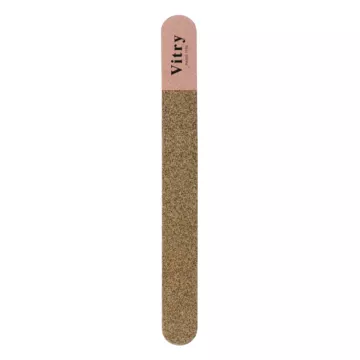
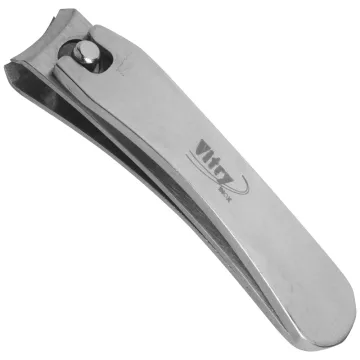
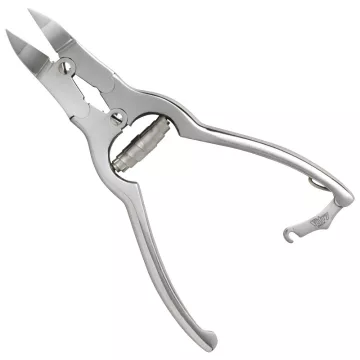
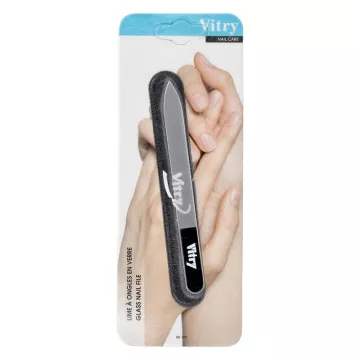
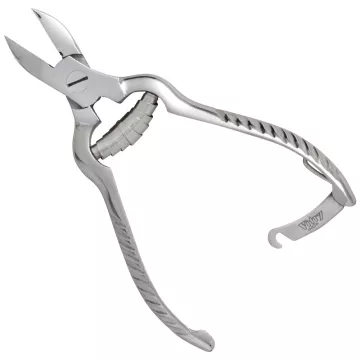
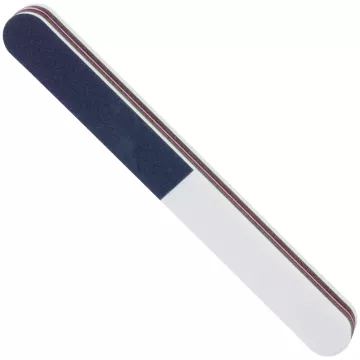
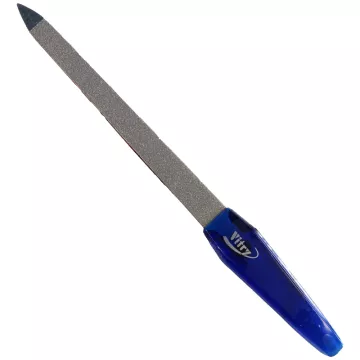
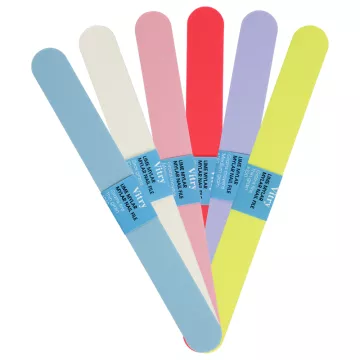
- Gentle manicure: Trim toenails straight across (to reduce the risk of ingrown toenails); shape fingernails as desired; finish by filing with a fine-grit file in one direction only, without cutting the cuticles (gently push them back after a warm bath). See manicure.
- Balanced diet: protein, iron, zinc, vitamins A, C, D, E, and omega-3 to support the natural quality of the coat and nails.
- Wearprotective gloves during repeated contact with water, detergents, and household or gardening chemicals.
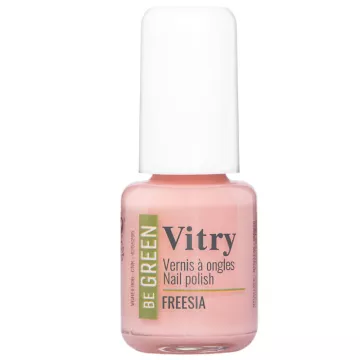
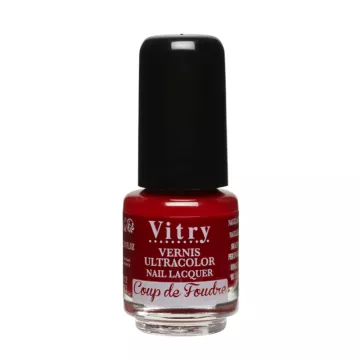
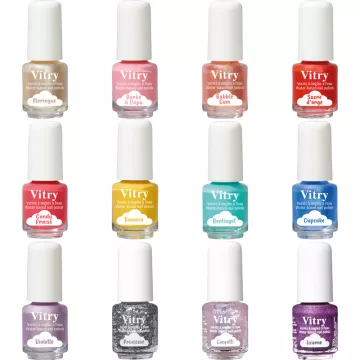
- Limit the use of colored nail polish and opt for 3-free, 5-free, or 10-free formulas (free of formaldehyde, toluene, dibutyl phthalate, etc.). Formaldehyde is classified as a Group 1 carcinogen by the IARC; its use in cosmetics is strictly regulated by Regulation (EC) No. 1223/2009.
- Take regular breaks from wearing nail polish to allow for inspection and maintain the health of the nail plate.
What are the best products for protecting your nails?
Several cosmetic products have a place in a skincare routine:
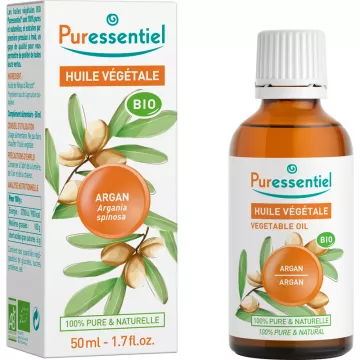
- Plant-based oils: jojoba, castor, sweet almond, and argan. These have an emollient and protective effect on the cuticle area.
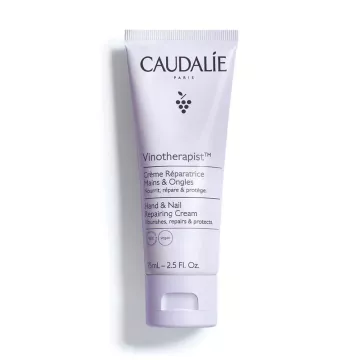
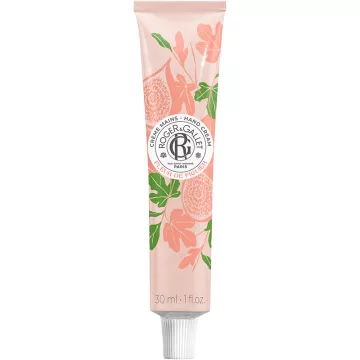
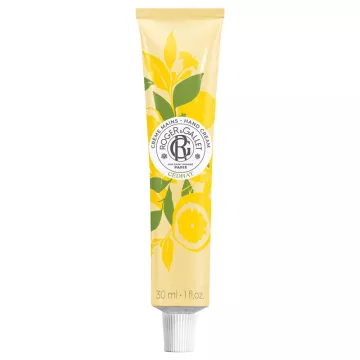
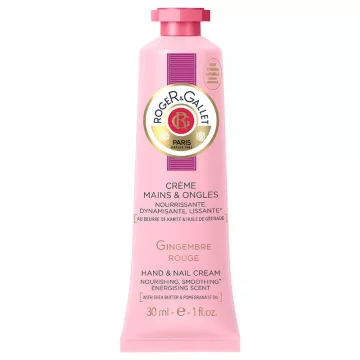
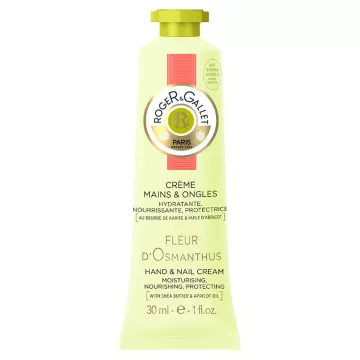
- Hand and cuticle creams containing glycerin, shea butter, panthenol (B5), allantoin, and ceramides.
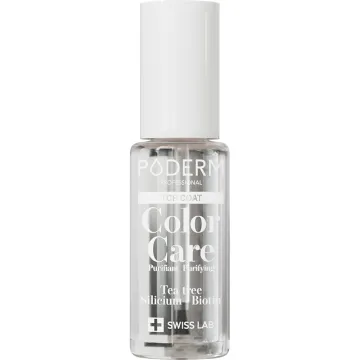
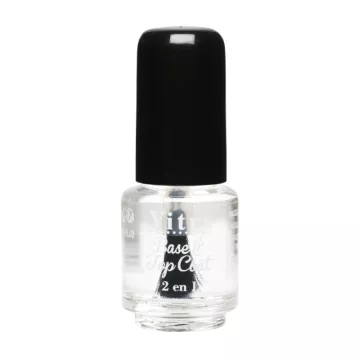
- Protective base coats and top coats applied under nail polish to limit pigment penetration and the drying effect.
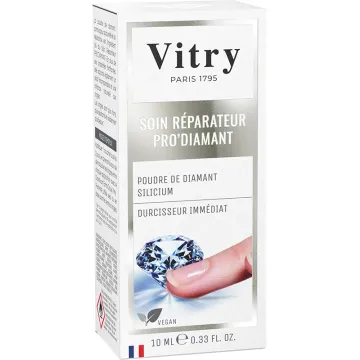
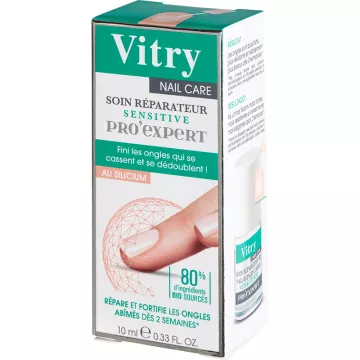
- Formaldehyde-free cosmetic hardeners: opt for formulas based on hydrolyzed proteins, minerals, or ceramides. Claims of “keratin” essentially refer to a surface-coating effect, as the visible nail is already a dead structure.
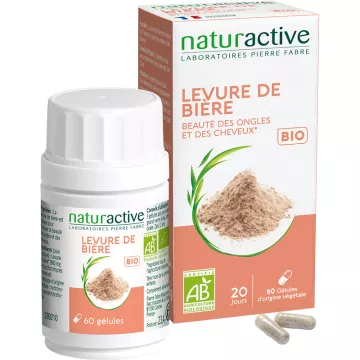
- Biotin-rich treatments (B8 or H): proven benefits mainly in cases of biologically documented deficiency.
How to repair damaged nails?
For damaged nails, repair involves several steps:
- Trim the broken or cracked areas short to prevent them from getting worse.
- Gently file the edges to smooth them (in one direction only, using a fine-grit file).
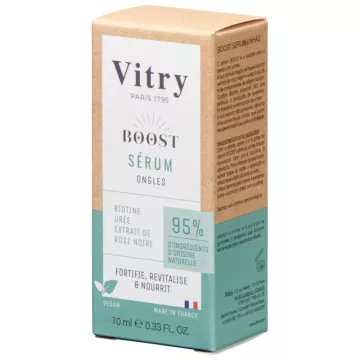
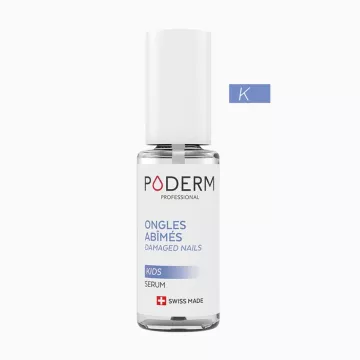
- Apply a nourishing oil or serum to your nails and cuticles every day.
- Take a long break (several weeks) from wearing nail polish while the nail plate regrows—it takes 4 to 6 months for a fingernail to fully regrow, and 9 to 12 months for a big toe nail.
- Pay attention to your diet and internal hydration.
- If your nails remain brittle, consult a doctor to investigate any underlying causes (nutritional deficiencies, thyroid disorders, skin conditions).
How can you identify nail problems?
There are a few signs to watch for:
- Discoloration (yellowing, greening, darkening, partial whitening).
- Thickening, brittleness, or separation (suggestive of onychomycosis).
- Pronounced longitudinal ridges or transverse ridges (Beau’s lines).
- Dark pigmented bands (longitudinal melanonychia): these should be evaluated by a dermatologist, especially if they have recently spread, are asymmetrical, or are more than 3 mm wide.
- Diffuse or patchy white spots.
- Changes in shape (spoon-shaped or Hippocratic nails).
- Redness, swelling, or pain around the nail (suggesting a whitlow).
Any persistent, progressive, or painful symptom warrants a medical consultation. The diagnosis of a fungal infection (onychomycosis) is based on a mycological culture, and antifungal treatment is prescribed by a doctor.
What habits are harmful to nail health?
Several habits can cause long-term damage to your nails:
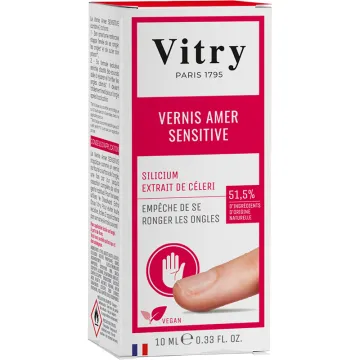
- Nail-biting, or picking or biting the cuticles around the nails.
- Using your nails as tools (to open, scrape, or tear).
- Cutting cuticles, which form a natural protective barrier.
- Applying multiple coats of long-lasting nail polish without a break or a protective base coat.
- Using acetone-based nail polish removers daily.
- Soaking hands in water and detergents without hand protection.
- Forgetting to moisturize after washing hands or using hand sanitizer.
- Excessively buffing the nail surface (thinning).
Can you improve nail health through diet?
A varied diet meets nutritional needs in most cases:
- Protein (particularly sulfur-containing amino acids): lean meats, fish, eggs, legumes, dairy products, tofu.
- Iron: meats, organ meats, legumes, green vegetables; combine with vitamin C to promote the absorption of non-heme iron.
- Zinc: seafood, meats, nuts, and seeds.
- B vitamins, particularly biotin (B8): eggs, nuts, legumes. The benefits of supplementation have been demonstrated primarily in cases of confirmed deficiency.
- Vitamins A, C, D, E: fruits, vegetables, nuts, and fatty fish.
- Omega-3: fatty fish, nuts, flaxseeds, canola oil.
- Regular hydration (1.5 to 2 liters of water per day, depending on individual needs).
Supplementation is not always necessary: a blood test (ferritin, complete blood count, TSH, vitamin D) can help guide treatment in cases of persistent fragility.
How do you choose a nail polish that protects your nails?
For a more nail-friendly nail polish:
- Opt for 3-free, 5-free, or 10-free formulas that are free of toluene, formaldehyde, dibutyl phthalate (DBP), camphor, and formaldehyde resin, depending on the version.
- Check the INCI lists: opt for simple, easy-to-read ingredient lists.
- Apply a protective base coat before the colored polish, followed by a top coat.
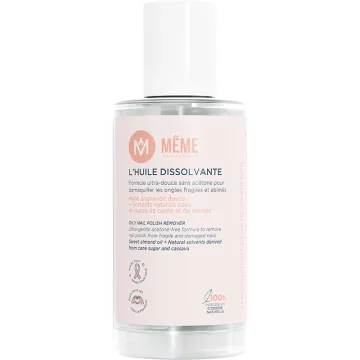
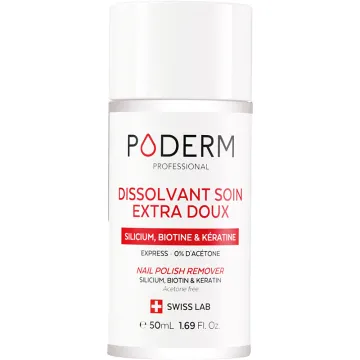
- Use an acetone-free nail polish remover, which is gentler on the nail bed.
- For semi-permanent polishes (gel polish): limit how often you use them, and have them removed by a trained professional to avoid tearing off the surface layers.
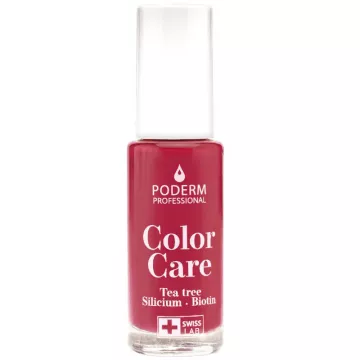
- Nail polishes enriched with vitamins and minerals: they provide a protective coating for the nail surface and should be incorporated into an overall nail care routine rather than used as a standalone solution.
What professional treatments are available to strengthen nails?
Several salon or spa treatments can complement your at-home routine:
- A complete manicure with a nourishing treatment, gentle cuticle care, and occasional light buffing.
- Treatments based on cosmetic keratin, hydrolyzed proteins, or ceramides to coat the nail surface.
- Silk or fiberglass wraps to repair deep cracks.
- UV or LED light for curing semi-permanent nail polish: the cumulative effects of UV exposure are currently being studied; applying sunscreen with SPF to the backs of your hands before the session may be a precaution, especially for regular users.
- Specialized consultations: a dermatologist may be recommended in cases of chronic fragility or persistent abnormalities; a state-certified podiatrist for toenails (particularly in cases of ingrown toenails, fungal infections, or diabetic foot).
All these procedures must be performed by qualified professionals to avoid iatrogenic damage (excessive thinning, secondary infection, or sensitivity to ingredients).