What types of manicures are there, and how do you choose?
A manicure encompasses all techniques for caring for and beautifying fingernails. There are several main categories:
- Classic manicure: trimming, shaping, gentle cuticle pushing back, and a natural finish or one with traditional nail polish.
- French manicure: a nude base with a white tip; a simple and elegant look.
- Gel manicure (semi-permanent / gel polish): application of a polish cured under a UV or LED lamp; long-lasting (2 to 3 weeks).
- Japanese manicure: an intensive treatment focused on strengthening the nail plate, using a mineral paste and gentle polishing.
- Gel or Acrylic Nail Application: techniques for extending and shaping the nail.
The choice depends on the time available, aesthetic preferences, the condition of the natural nail, and professional requirements. For brittle or damaged nails, see also care for damaged nails.
What is the difference between gel and acrylic manicures?
Gel and acrylic applications are two distinct techniques:
- Gel: application of a polymer gel that cures under a UV or LED lamp. More natural appearance, more flexible, and greater transparency. Removed chemically with a solvent.
- Acrylic: a mixture of a polymer powder and a liquid monomer that cures in the air. Very durable, easy to shape, but with a thicker and stiffer texture. Removed with a solvent.
Regardless of the technique, several precautions are necessary:
- Allergic reactions to acrylates (methacrylates, photoinitiators in UV gels) are on the rise among regular users and professionals: itching, contact dermatitis, and sometimes cross-sensitization. If a reaction occurs, stop use and consult a dermatologist.
- Certain acrylate monomers (notably HEMA) are subject to European regulations (EU Regulation 2020/1682) that restrict their use to a professional setting: they are to be used only by trained professionals.
- UV/LED lamps: Cumulative UV exposure is currently being studied. For regular users, applying sunscreen to the backs of the hands before a session may be a prudent precaution.
How can you keep your nails healthy after a manicure?
After a manicure, there are several steps you can take to maintain the health of your nails:
- Daily moisturizing of the cuticles and nail plate (vegetable oil such as jojoba or castor oil, hand and nail cream).
- Wear gloves during repeated contact with water, detergents, and chemicals.
- Take regular breaks between manicures to allow your nails to breathe.
- A varied diet (protein, iron, zinc, and biotin if a deficiency has been confirmed). See biotin.
- Discuss potential supplements (biotin, iron, zinc) with a pharmacist or doctor, ideally based on blood test results.
- Watch for any unusual changes in appearance (color, thickness, lifting) and consult a professional if in doubt.
What are the current trends in manicures?
Beauty trends change with the seasons. Recent trends include:
- Bright or pastel colors depending on the season (electric blue, lime green, powder pink, lilac).
- Textured finishes: matte, metallic, pearlescent, and sand-effect finishes.
- Minimalist nail art: fine lines, micro-geometric patterns, “clean look” effects.
- A variety of trendy nude shades, complementing the classic French manicure.
- Manicures inspired by art or artistic movements.
When it comes to nail health, the underlying trend remains a focus on product quality (3-free, 5-free, and 10-free polishes), gentle removal, and taking breaks.
How long should you wait between manicures?
To preserve the health of the nail, a1- to 2-week interval between applications of long-lasting or semi-permanent polish is often recommended. For semi-permanent polish in particular, taking an extended break (several weeks) every 2 to 3 applications allows the nail plate to recover. On short, clean natural nails, traditional manicures can be done more frequently without compromising nail health, provided that gentle products and techniques are used.
What are the risks of a poorly performed manicure?
An improper manicure can lead to several problems:
- Infections: bacterial whitlow, onychomycosis, resulting from unsterilized tools or micro-cuts.
- Thinning of the nail plate: excessive filing, repeated buffing, or rough mechanical removal of semi-permanent polish.
- Contact allergies: to acrylates, photoinitiators, certain adhesives, or dyes.
- Perinail lesions: if cuticles are cut rather than pushed back.
- Skin reactions caused by non-compliant products (unregulated imports).
Choosing a salon that follows hygiene protocols (disinfected, single-use, or sterilized equipment; disinfected bowls) significantly reduces these risks. In the event of a severe allergic reaction (facial swelling, difficulty breathing suggestive of angioedema), call 15 or 112.
How do you choose a nail shape that suits your hands?
The choice of nail shape is primarily a matter of aesthetics and personal preference. Here are a few guidelines:
- Short, wide nails: An oval or rounded shape tends to make the fingers appear longer.
- Long, slender nails: Square, rounded square, or almond shapes add structure.
- Short fingers: an almond-shaped or slightly pointed shape can create the impression of length.
- Brittle nails: Opt for shorter lengths and rounded shapes to minimize breakage.
- For feet: a straight shape is recommended to help prevent ingrown toenails (especially on the big toe).
Also consider lifestyle (manual labor, sports) and ease of maintenance.
What role does cuticle care play in a manicure?
Cuticles (eponychium) are a natural barrier that protects the nail matrix (the area where the nail grows) from infections. Caring for them is based on a few principles:
- Do not cut them: cutting them increases the risk of a bacterial whitlow and can disrupt normal nail growth.
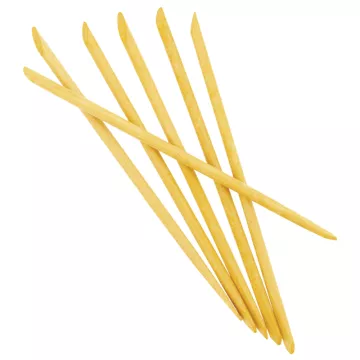
- Gently push them back with a wooden (orange wood) or silicone stick after a 5-minute warm soak, which softens them.
- Moisturize daily with a cuticle oil (jojoba, castor, sweet almond) or a nourishing balm.
- Thoroughly clean and disinfect manicure tools after each use (70% isopropyl alcohol).
How do you remove a gel manicure at home?
It is possible to remove semi-permanent gel at home, but it must be done carefully to avoid damaging the nail plate:
- File the shiny surface of the gel with a buffer to break the seal (without thinning the natural nail).
- Soak pads or cotton balls in acetone, place them on each nail, and wrap them in aluminum foil. Let sit for 10 to 15 minutes.
- Remove the softened gel by gently pushing it back with a wooden stick, without scraping or pulling. If the gel resists, replace the soaked pad and wait a few more minutes.
- Moisturize your nails and cuticles thoroughly: acetone is very drying.
- Take a break from nail polish for several days to allow the nail to recover.
If the application was complex or if the nail is already weakened, it’s best to have a trained professional remove the polish. Caution: Acetone is flammable; keep it away from flames and sparks; ventilate the room and keep it out of children’s reach.
Professional or at-home manicure: which should you choose?
Both approaches are complementary:
- At-home manicure: suitable for regular maintenance (moisturizing, gentle filing, applying traditional nail polish, simple removal). More economical and flexible.
- Professional manicure: recommended for complex techniques (semi-permanent, gel, acrylic, elaborate nail art), for gentle removal, in cases of fragile or damaged nails that require a diagnosis, and for first attempts at a new technique.
Regardless of the option you choose, opt for products free of formaldehyde, toluene, and DBP (3-free, 5-free, or 10-free formulas), follow hygiene guidelines, and take breaks without wearing long-lasting polish to preserve the long-term health of your nails. See also nail protection for a complete care routine.