What are stretch marks, and how do they form?
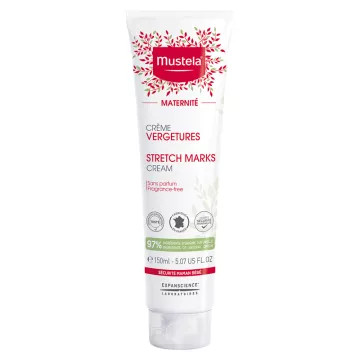
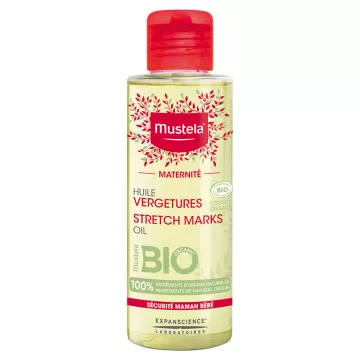
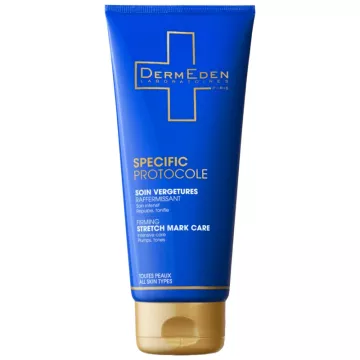
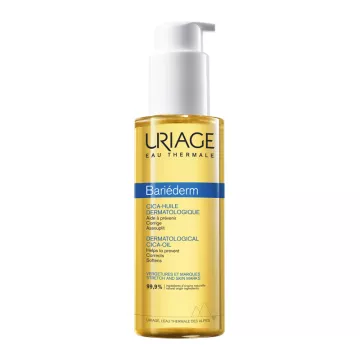
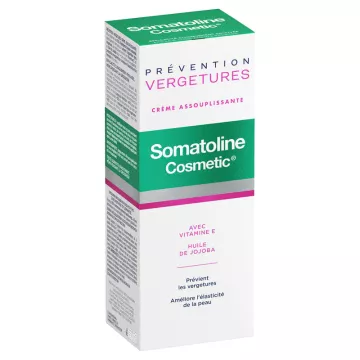
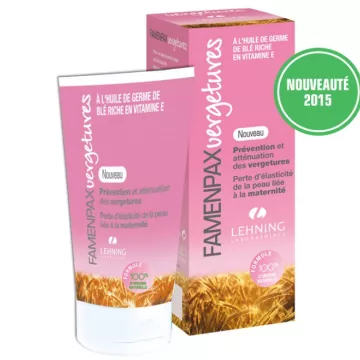
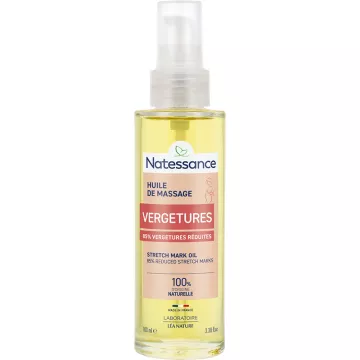
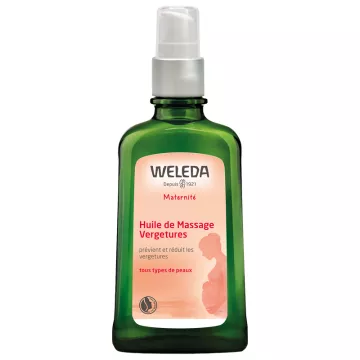
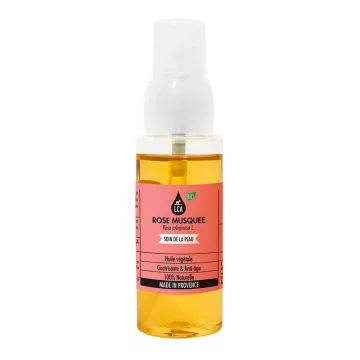
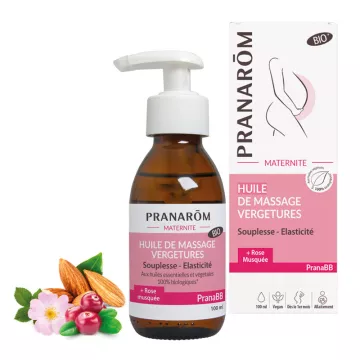
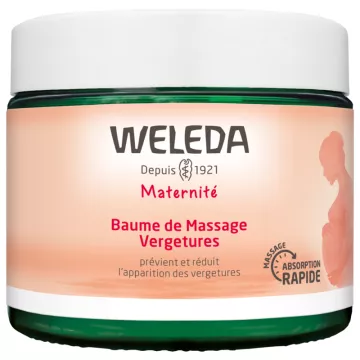
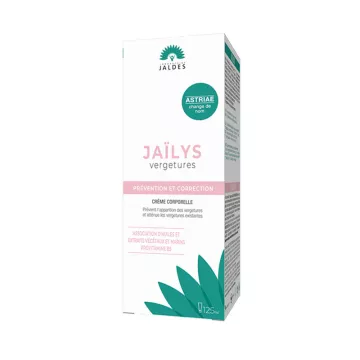
Stretch marks (striae distensae) are atrophic dermal scars that appear when the skin is stretched too quickly, beyond its elastic limits. They result from a rupture of the collagen and elastin fibers in the dermis. There are two stages: recent stretch marks (striae rubrae—red or purplish, well-vascularized, and more responsive to treatment) and older stretch marks (striae albae—pearly white, fibrotic, and difficult to treat). Anti-stretch mark body care products are available in the stretch mark line, and body care products are available in the body care line.
- Main triggering factors: pregnancy (abdomen, breasts, thighs—beginning as early as the 6th month)—rapid pubertal growth—rapid weight gain or loss—prolonged use of systemic or topical corticosteroids—Cushing’s syndrome (hypercortisolism)—intensive physical activity with rapid muscle development (arms, shoulders)
- Most commonly affected areas: abdomen, flanks, breasts, thighs, buttocks, hips, arms
- Aggravating factors: genetics (hereditary predisposition) — fragile, dehydrated skin — diet lacking in vitamin C, zinc, and protein (precursors of collagen)
How can you prevent stretch marks with natural skincare?
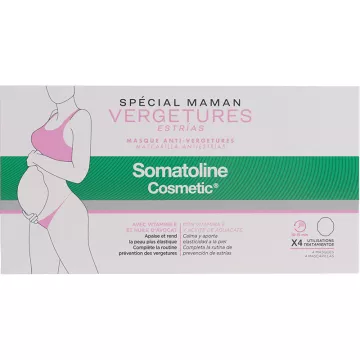
Prevention is more effective than treating established stretch marks. The goal is to maintain skin elasticity during high-risk periods by moisturizing and nourishing the affected areas twice a day with upward massage strokes.
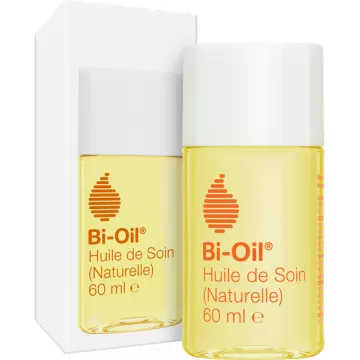
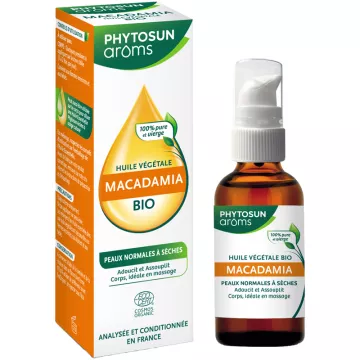
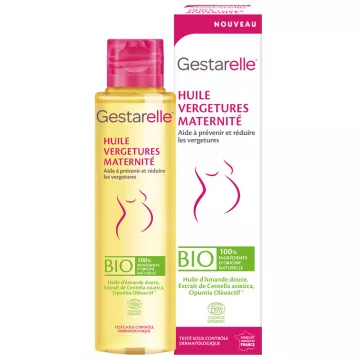
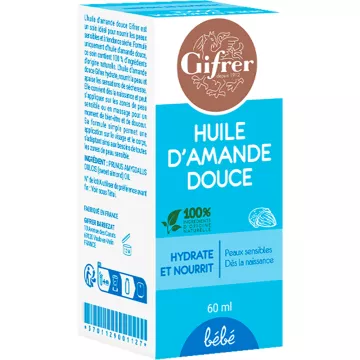
- Sweet almond oil: rich in omega-6 fatty acids and vitamin E — emollient, nourishing, and elasticity-boosting — one of the most well-established oils for preventing pregnancy stretch marks — safe for use on the skin during pregnancy
- Shea butter: unsaponifiables (vitamins A, E, phytosterols)—highly nourishing—forms a protective layer on stretched areas—ideal as a nighttime treatment for the pregnant abdomen
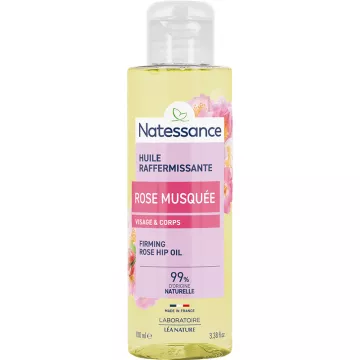
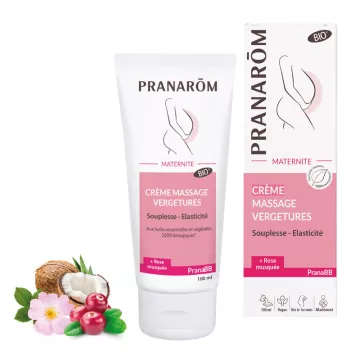
- Coconut oil: lauric acid and saturated fatty acids—film-forming and nourishing—improves skin suppleness—should be mixed with other light oils to facilitate absorption
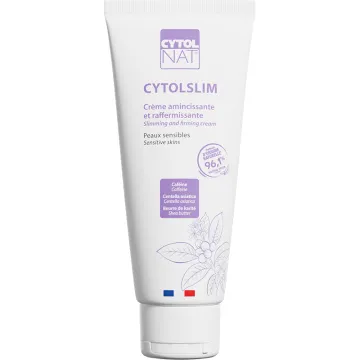
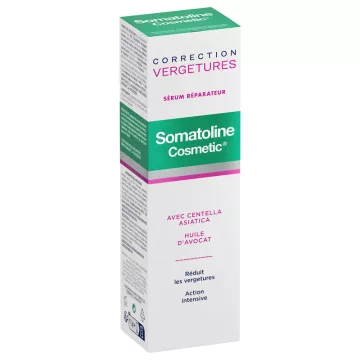
- Centella asiatica (asiaticoside, madecassoside): stimulates collagen synthesis and elasticity — documented skin-repairing action — the ingredient of choice in certified pregnancy stretch mark prevention creams
- Aloe vera gel: moisturizing and soothing — hydrates the outer layers of the skin — supports cell renewal — apply as the first step before oil or butter
What treatments are available to reduce existing stretch marks?
Vergetures albae (white stretch marks) are the most difficult to treat due to their fibrotic nature. Recent vergetures rubrae respond better to any treatment. Post-pregnancy skincare includes formulas specifically designed for this period. Supplements such as vitamin C and hydrolyzed collagen support the reconstruction of dermal tissue from within.
- Documented topical active ingredients: hyaluronic acid (hydration-based plumping of the dermis) — fibroblast-stimulating peptides — Centella asiatica extract — gentle exfoliation (body scrubs) 1 to 2 times per week to stimulate cell turnover on the stretch marks
- Medical treatments: fractional CO₂ or erbium laser (deep collagen remodeling—3 to 5 sessions recommended)—fractional radiofrequency—microneedling (PRP possible) — chemical peels (TCA) — to be performed by a dermatologist or qualified aesthetic physician — gradual results, 30–70% improvement depending on the stage
- Stretch marks do not disappear completely—treatments reduce their appearance without completely erasing them—early prevention during high-risk periods remains the most effective approach