
A comedone results from the blockage of a pilosebaceous follicle by a mixture of sebum and dead skin cells that are not normally shed from the skin’s surface. This retention process, known as follicular hyperkeratinization, forms a plug that can then develop in different ways depending on whether it remains open or closes beneath the skin. The regulation of cell turnover in the stratum corneum—in which vitamin A plays a recognized physiological role—directly influences the formation of this type of follicular plug.
An open comedone, commonly known as a blackhead, has a dilated opening exposed to the air: the sebum oxidized at the surface takes on a characteristic dark color. A closed comedone, or microcyst, remains covered by a thin layer of skin and appears as a small whitish or skin-colored bump; it is often less visible but more difficult to clear up on its own.Salicylic acid, due to its fat-solubility, effectively penetrates the follicle to act on both types of comedones.
Gentle, regular chemical exfoliation is the most well-documented approach for preventing the buildup of dead skin cells that cause comedones. A suitable exfoliating treatment, used 1 to 3 times a week depending on skin tolerance, promotes renewal of the outermost layer without irritating the skin. It’s best to start with a lower frequency and monitor the skin’s reaction before gradually increasing it, especially on sensitive skin.
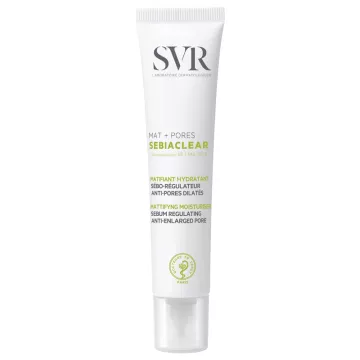
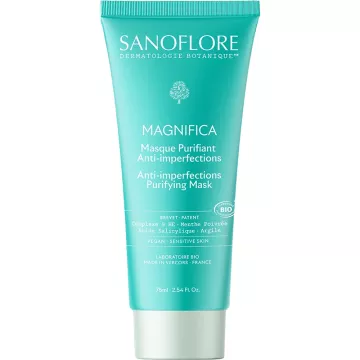
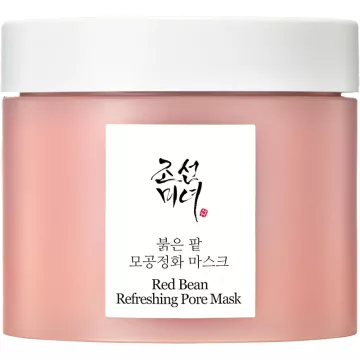
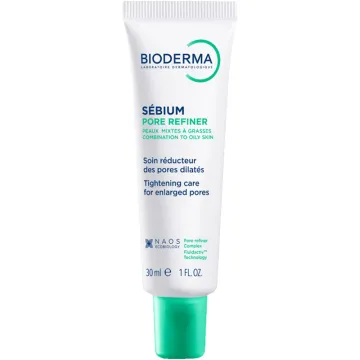
A suitable routine combines gentle cleansing, targeted exfoliation, and non-comedogenic moisturization. A clay mask once or twice a week helps absorb excess sebum from the skin’s surface without overly drying out the skin, provided you never let it dry completely on your face. It’s important to remember that pores do not structurally open or close: “pore-tightening” products actually work by improving their visual appearance, by limiting excess sebum and the buildup of residue that make them appear enlarged.
Zinc helps maintain healthy skin and plays a role in regulating the skin’s inflammatory response. When taken as a course of treatment over several weeks, it can support an anti-blackhead routine as a complement to topical treatments, though it is not a substitute for regular exfoliation nor a standalone solution for skin with a marked tendency toward blackheads.
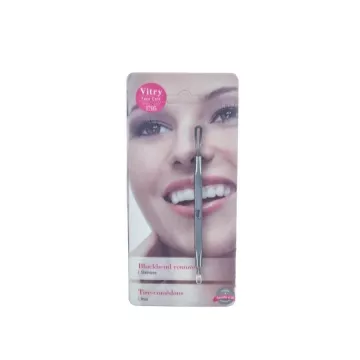
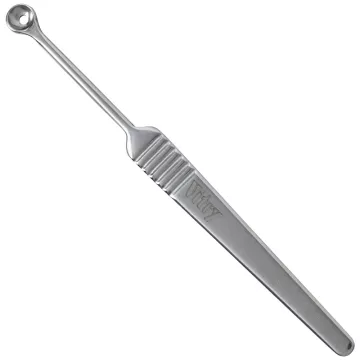
Manually extracting blackheads at home—especially by squeezing with your fingers—carries a risk of inflammation, scarring, and bacterial spread; this procedure should be performed only by a trained professional (dermatologist or esthetician). Over-cleansing and the use of products that are too harsh often worsen the problem by stimulating compensatory sebum production. Opt for non-comedogenic formulas and a gradual skincare routine, such as incorporating niacinamide for a gentler regulating effect if your skin is sensitive to exfoliants.