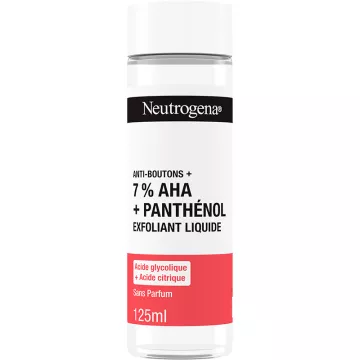
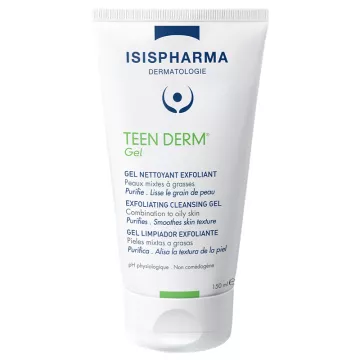
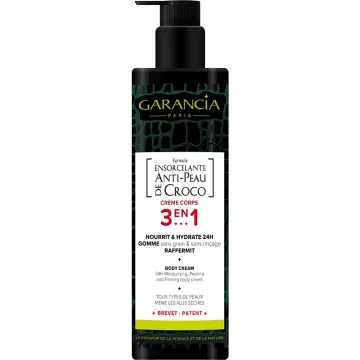
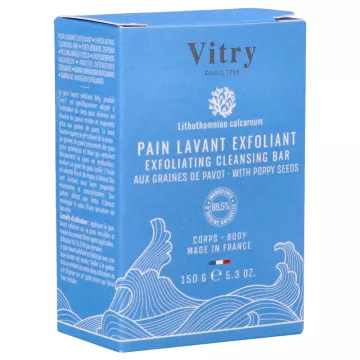
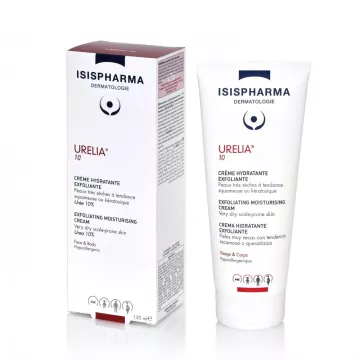
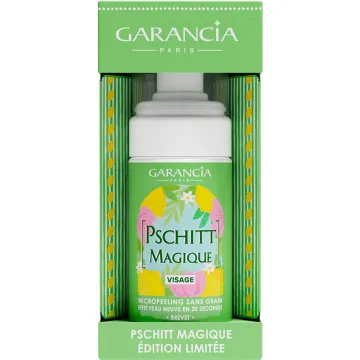
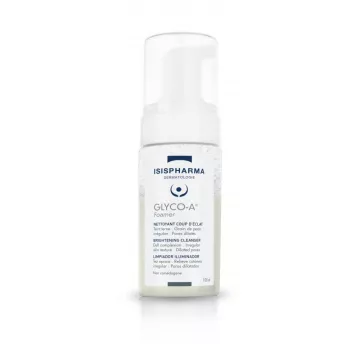
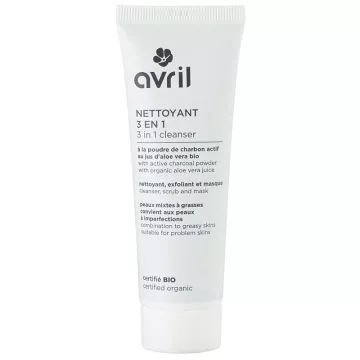
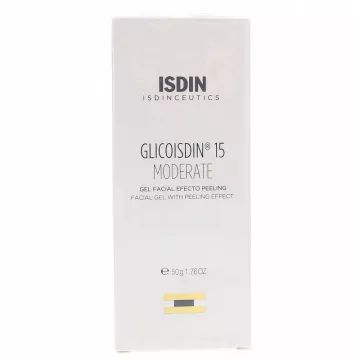
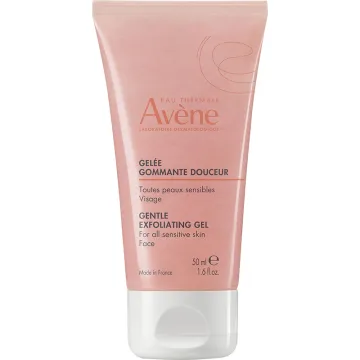
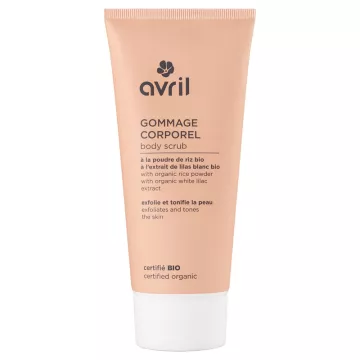
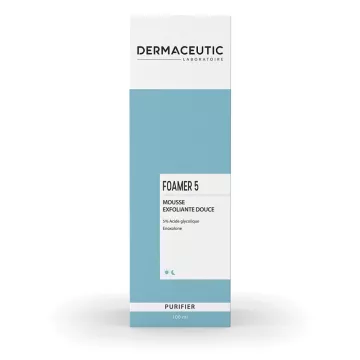
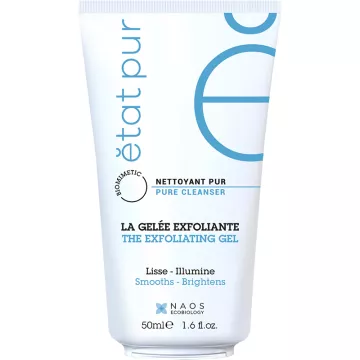
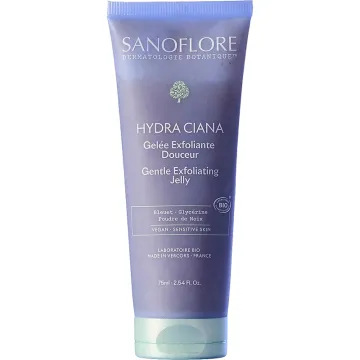
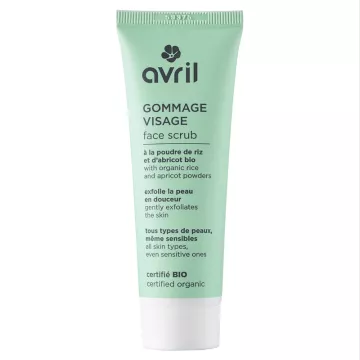
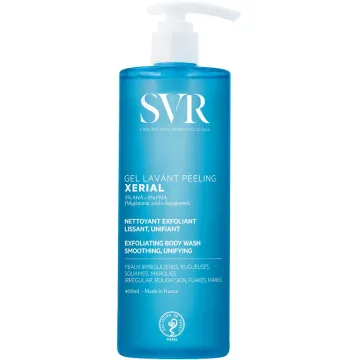
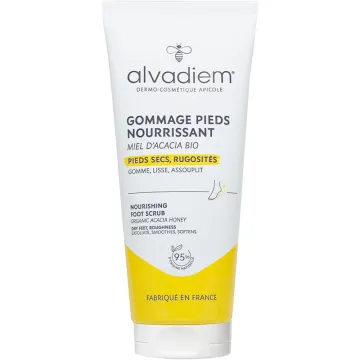
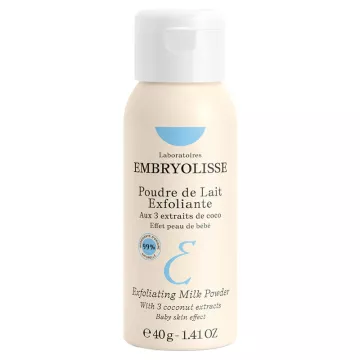
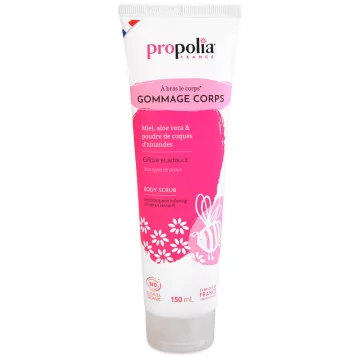
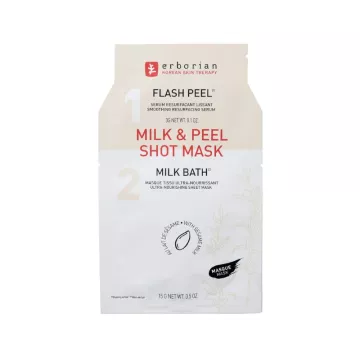
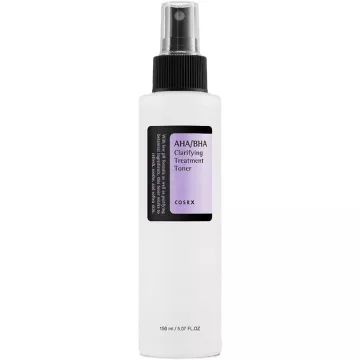
An exfoliant is a cosmetic product formulated to remove dead skin cells that have accumulated on the surface of the epidermis. Its biological function is to support cell renewal, which slows down with age and due to environmental stressors. This category includes a wide variety of products—gels, creams, serums, fluids, masks, and lotions—formulated around a few main families of active ingredients. Understanding these families helps you choose a product suited to your skin type and avoid irritation caused by an unsuitable product. The right exfoliant isn’t necessarily the strongest one—it’s the one that respects the skin barrier while delivering the desired benefits.
Five families of active ingredients dominate current formulations:
Many formulas combine several of these categories to enhance their effects, but this combination requires extra caution regarding skin tolerance.
A few tips to keep in mind when shopping. Exfoliating active ingredients appear in the INCI (International Nomenclature of Cosmetic Ingredients) list with their Latin or English names: Glycolic Acid, Lactic Acid, Salicylic Acid, Gluconolactone, Papain, Bromelain. Their position in the list reflects their relative concentration—at the beginning of the list, they are present in high doses; in the middle, in moderate doses; at the end, in trace amounts. Effective concentrations vary: 5 to 10% for AHAs in regular use, 0.5 to 2% for salicylic BHA, and 4 to 10% for PHAs. The phrases “dermatologically tested ” or “suitable for sensitive skin ” indicate the manufacturer’s approach. Problematic preservatives (methylisothiazolinone), drying alcohols listed at the beginning of the ingredient list, and fragrances (“Parfum / Fragrance”) should be avoided on sensitive skin. A formula’s overall skin tolerance depends as much on the active ingredients themselves as on the other ingredients in the formulation.
The guide:
Formulas are specifically designed to account for skin anatomy. Since the facial epidermis is 3 to 4 times thinner than that of the body, facial exfoliants feature: finer, more rounded particles; more moderate acid concentrations; and a greater number of soothing active ingredients (aloe, bisabolol, panthenol). Body exfoliants can tolerate: coarser grains (sea salt, brown sugar, coffee), richer carrier oils, and higher concentrations of AHAs on areas with thickened skin (heels, elbows). Using a body exfoliant on the face almost inevitably causes micro-lesions; the reverse (using a facial exfoliant on the body) is possible but not very effective on areas with severe keratinization. Before sunbathing, consider the specific use of sunscreen andthe radiant complexion achieved on properly prepared skin.
A balanced formula combines exfoliating and soothing active ingredients to minimize skin sensitivity:
The ingredients to avoid depend on your skin type. For sensitive skin, avoid fragrances (“Parfum / Fragrance”), denatured alcohol listed at the beginning of the INCI list, problematic preservatives (methylisothiazolinone, methylchloroisothiazolinone), and particles that are too angular (crushed walnut shells, coarse apricot pits). Those with acne-prone skin should avoid comedogenic oils (coconut oil, cocoa butter in highly occlusive formulas). Those with dry skin should avoid coarse sea salt scrubs, which can dry out the skin. From an environmental perspective, avoid plastic microbeads (“polyethylene,” “polypropylene” in the INCI list)—although they have been banned since 2018 in rinse-off cosmetics in France, they may still be present in imported products or old stock. Also avoid: baking soda as a homemade exfoliant (alkaline pH ≈ 9, which permanently disrupts the skin’s natural pH balance of ≈ 5.5), even if some traditional recipes recommend it.
There are several situations that require medical advice before using an exfoliant:
The community pharmacist remains the first point of contact for interpreting an INCI list, recommending the appropriate concentration of AHA or BHA, and referring patients to a dermatologist if necessary.