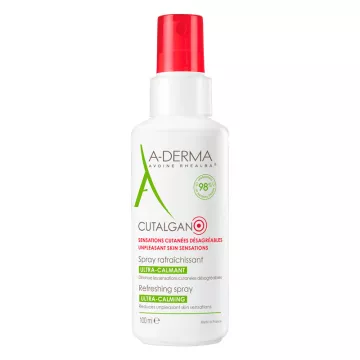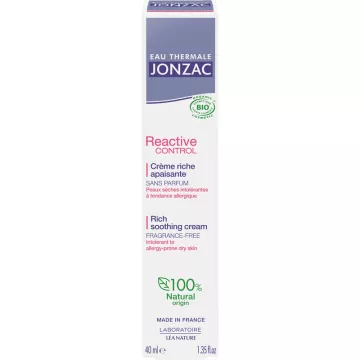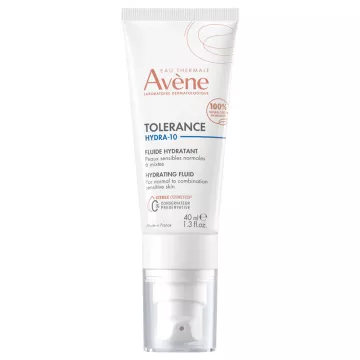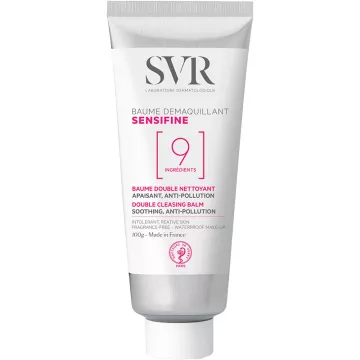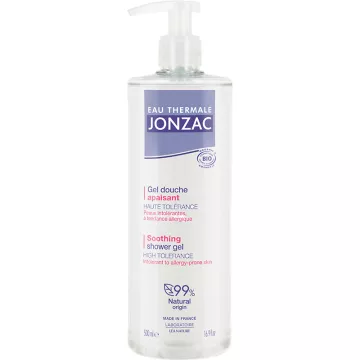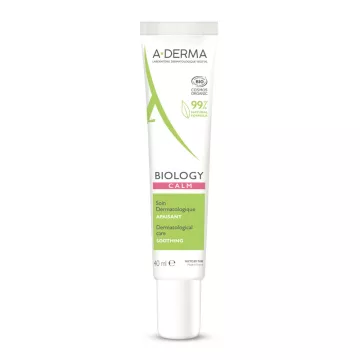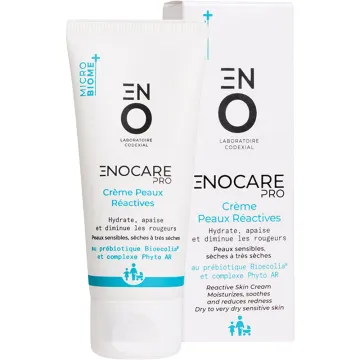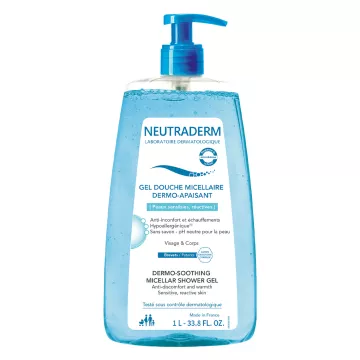
Reactive skin is characterized by an overreaction to stimuli that are normally tolerated—such as changes in temperature, cosmetics, stress, alcohol, spices, and wind. The reactions are immediate and disproportionate: redness, burning, stinging, and tightness occur almost instantly. The mechanism involves hyperactivity of C-fibers (TRPV1, TRPA1) and increased transepidermal water loss (TEWL) due to a compromised skin barrier. Topicalhyaluronic acid is the first-line moisturizing active ingredient—it restores deep hydration without any risk of allergic reactions and helps reduce nerve hyperreactivity by improving the skin’s moisture balance.
Reactive skin requires minimalist formulas that strictly exclude trigger ingredients:
Dexpanthenol (provitamin B5) is the best-tolerated barrier-repairing active ingredient—it regenerates the weakened stratum corneum without causing irritation. Chamomile (bisabolol + azulene) is one of the most soothing and best-tolerated plant-based active ingredients for reactive skin.
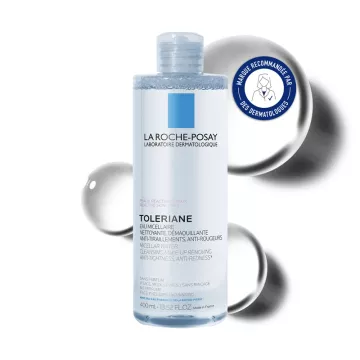
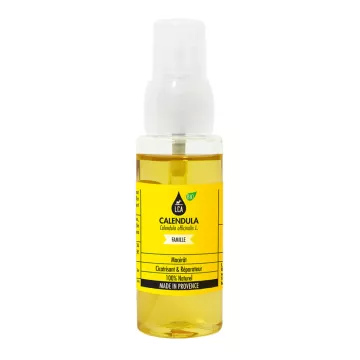
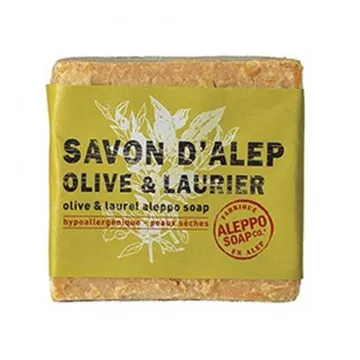
Cleansing is the step most often responsible for worsening skin reactivity—ordinary soaps and harsh surfactants destroy the lipid barrier and disrupt the skin’s microbiome. Reactive skin should use only no-rinse micellar water (without rubbing), very gentle micellar gels (sulfate-free, fragrance-free, pH-neutral), or cleansing balms made with plant-based oils. Calendula plant oil (Calendula officinalis, fatty acids + flavonoids + triterpenes) is particularly well-suited for removing makeup and cleansing reactive skin—its flavonoids exert a gentle anti-inflammatory effect directly on the reactive epidermis.
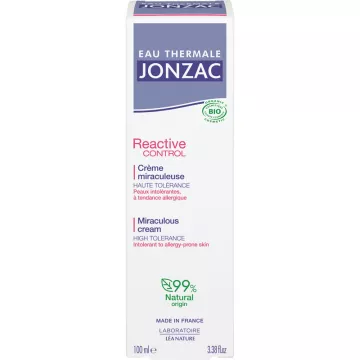
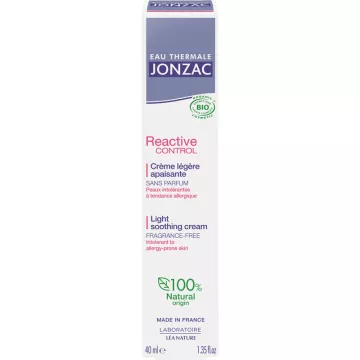
Thermal water sprays (Avène, La Roche-Posay, and Jonzac) are essential comfort treatments for reactive skin experiencing flare-ups—their cool application (which has a mild vasoconstrictive effect) and their high content of trace elements (selenium, silica) quickly reduce redness, tingling, and sensations of heat. Restorative barrier balms (ceramides + squalene + thermal water, minimalist, fragrance-free formula) are the foundational treatments for sustainably rebuilding the weakened skin barrier.Aloe vera (alloins + polysaccharides) is a versatile natural soothing active ingredient—it’s anti-inflammatory, moisturizing, and forms a light protective film on reactive skin.
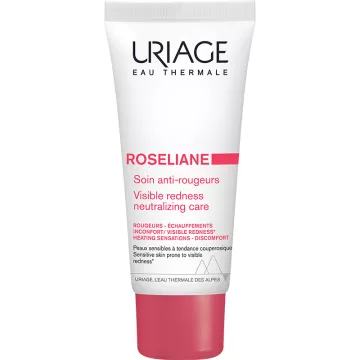
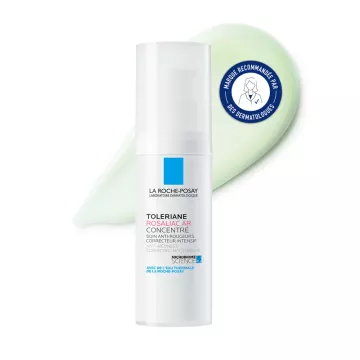
Rosacea and reactive skin share common symptoms (redness, flushing, sensitivity to cosmetics) but are two distinct conditions. Reactive skin is a functional condition without permanent lesions, whereas rosacea is a chronic skin disorder characterized by persistent telangiectasias (couperose), papules, and recurrent vasodilation. Management differs—rosacea requires specific dermatological treatment. However, certain skincare products for reactive skin (fragrance-free, alcohol-free, SPF 50+) are also suitable for rosacea.